There is no single sewer line replacement cost in Seattle. The number depends on how deep and how long your side sewer is, what sits on top of it, whether the work reaches the street, and the permit through Seattle Public Utilities (SPU). In Seattle the homeowner owns the side sewer from the house to the city main, often including the part under the street, so the bill is yours. The biggest cost question is usually not digging vs trenchless. It is whether the pipe needs a full replacement at all, or just a repair.
This guide walks through that decision, the things that move the price up or down, and how to get a number you can trust.
Repair or replace: the decision that drives the bill
Most sewer problems start in one spot. A cracked joint, a section of roots, an offset where two pipes have shifted apart. If the rest of the pipe is sound, fixing that spot costs far less than replacing the whole line. That is why we always start with a camera inspection before anyone talks about price.
Here is how we usually think about it:
- A spot repair fits when the damage is in one or two places and the pipe around it is in fair shape. A sewer pipe patch seals a short section from the inside without digging.
- Lining the whole pipe fits when there are cracks or root entry along much of the run, but the pipe still holds its shape. CIPP (cured in place pipe) is a new pipe lining cured inside the old pipe, so you get a sealed pipe without a trench.
- Full replacement fits when the pipe has collapsed, crushed, lost its shape, or sags so badly that water sits in it. Lining cannot fix a pipe that is no longer round or no longer sloped the right way.
Our promise is a straight answer. If a patch will do the job, we will tell you. If the pipe really needs replacing, we will show you the footage and explain why. No exaggerating and no unnecessary work.
What drives sewer line replacement cost in Seattle
Two homes on the same street can get very different quotes. These are the main reasons.
Depth
A shallow side sewer is easier to reach. A deep one means a bigger, longer excavation, more shoring to keep the trench safe, and more soil to move and put back. On Seattle’s hilly lots the pipe can run much deeper at one end than the other.
Length
More feet of pipe means more material and more labour, whether we dig or line. A house set far back from the street costs more to replace than one close to the sidewalk.
Access and what is on top
Lawn is cheap to dig up and restore. Concrete driveways, stone patios, retaining walls, stairs and mature landscaping are not. Tight side yards that a machine cannot reach also add time. This is often where trenchless work saves the most, because it avoids tearing out what sits above the pipe.
Street work
If the damage is under the sidewalk or the street, costs rise. Work in the right of way brings traffic control, pavement cutting and restoration, and extra coordination. Because Seattle homeowners usually own the side sewer all the way to the main, this part of the job is often on you.
Permit through SPU
Side sewer permits in Seattle are handled by Seattle Public Utilities. The permit and the inspection that goes with it are part of the job and part of the cost. Bellevue, Redmond, Issaquah and other Eastside cities handle permits through their own city, so the process there is different.
Pipe condition and material
Many older Seattle homes have clay or concrete side sewers. Some mid-century homes have Orangeburg pipe, and some have cast iron. A pipe that has collapsed or lost its shape usually rules out lining, which pushes the job toward full replacement. A pipe with roots and cracks but a good shape often does not need replacing at all.
Digging vs trenchless replacement: how the cost picture changes
People often assume trenchless is always the cheaper choice. Sometimes it is. Sometimes it is not. It depends on the job.
Trenchless usually wins when the pipe sits under a driveway, patio, mature tree, finished basement or the street. Avoiding that restoration can make up for the cost of lining equipment and materials. It also means less mess and a shorter disruption for your household.
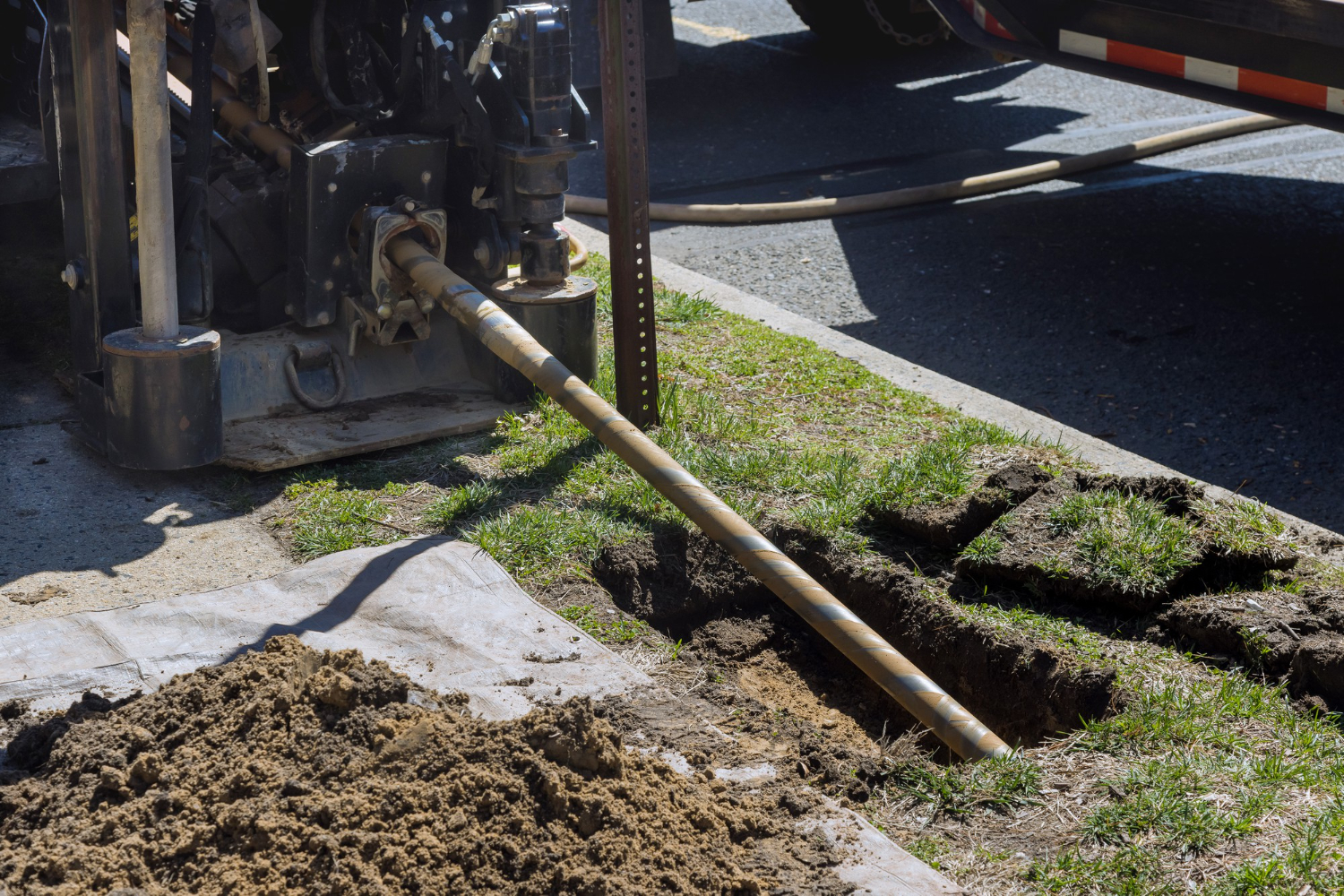
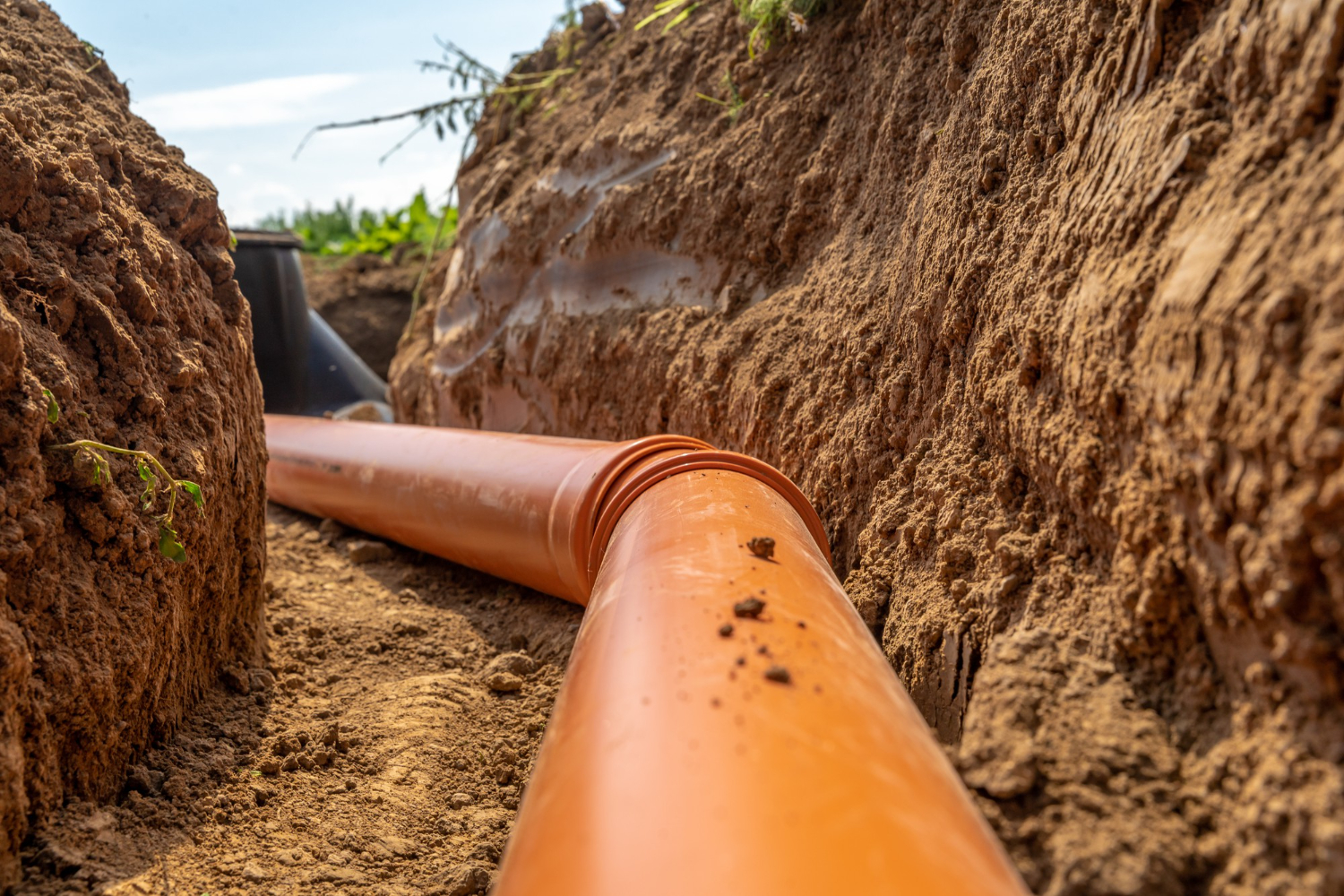
Digging can make more sense when the pipe is shallow, runs under open lawn, and is too damaged to line. In that case a straightforward open trench replacement may be the simplest fix. It is also the only option when the pipe has collapsed or the slope is wrong.
Many jobs end up as a mix. We might line most of the run and dig one short section where the pipe has broken. Our trenchless sewer repair and sewer replacements teams work from the same camera footage, so you get one plan that uses the right method for each part of the pipe.
How to get a price you can trust
We do not publish a flat price, because it would be wrong for most homes. Every side sewer is different, so the only honest number is one based on your pipe. Here is how to get one:
- Get a camera inspection first. A quote without footage is a guess. Our sewer inspections and locating service shows where the damage is and how deep the pipe runs.
- Ask what each option fixes. A patch, a lining and a replacement solve different problems. Make sure the quote matches the damage you saw on the video.
- Check what is included. Permit, restoration of lawn or concrete, and any street work should be listed, not added later.
- Ask about the warranty. We back our projects with a 20 year warranty.
Our free sewer estimates give you a clear plan before any work starts. We have been local sewer experts since 2005, and we are licensed and bonded in Washington State (L&I license #SEATTSS874JJ). We serve homeowners across Seattle and the wider service area.
Frequently asked questions
Is sewer line repair cheaper than replacement?
Usually, yes. Fixing one damaged section costs much less than replacing the whole pipe. The catch is that a repair only makes sense if the rest of the pipe is in fair shape. A camera inspection tells you which situation you are in.
Who pays for the sewer line under the street in Seattle?
In Seattle the homeowner owns and maintains the side sewer from the house to the city main, and in many cases that includes the part under the street. If the damage is in that section, the repair is usually the homeowner’s cost.
Is trenchless sewer replacement always cheaper than digging?
No. Trenchless often saves money when the pipe is under concrete, landscaping or the street, because there is less to restore. On a shallow pipe under open lawn, a dig replacement can be just as reasonable. And if the pipe has collapsed, digging may be the only option.
Do I need a permit to replace my side sewer in Seattle?
Side sewer work in Seattle is permitted through Seattle Public Utilities. We include the permit step in our process. Eastside cities such as Bellevue and Redmond run their own permit process.
Call Seattle Select Sewers at 425-531-4847 for a free sewer estimate.