1. Slow or Gurgling Drains Throughout the House
A single slow drain is usually just a local clog. But when multiple drains in your home — sinks, showers, toilets — all seem sluggish at the same time, it’s a strong indicator that something is wrong deeper in your main sewer line. Gurgling sounds coming from drains or your toilet bubbling when you run water elsewhere are classic warning signs of a partial blockage or a collapsed section of pipe. In Seattle homes built before the 1980s, the culprit is often deteriorating orangeburg or clay pipes that have shifted over decades.
2. Sewage Smell in Your Yard or Home
A properly functioning sewer system is completely sealed. If you’re noticing a persistent sewage or sulfur smell — especially in your basement, crawlspace, or near clean-out access points in your yard — it means sewer gases are escaping through a crack or break in the line. Beyond being unpleasant, sewer gas contains methane and hydrogen sulfide, which can be hazardous. This is not a problem to delay addressing.
3. Unusually Lush or Soggy Patches in Your Lawn
If there’s a section of your yard that stays inexplicably wet even in dry weather, or a strip of grass that’s noticeably greener and lusher than the surrounding area, your sewer line may be leaking beneath it. Sewage acts as a fertilizer, promoting plant growth directly above the break. In Seattle’s rainy climate, this sign can be easy to dismiss — but if the pattern persists during dry spells, it warrants a camera inspection.
4. Tree Root Intrusion Causing Recurring Blockages
Seattle is a city of beautiful trees — maples, firs, and oaks that have been growing for decades. Unfortunately, their roots are also one of the leading causes of sewer line damage in the region. Tree roots naturally seek out moisture and nutrients, and your sewer pipe is a prime target. Roots can infiltrate even the smallest crack, then grow inside the pipe until they cause a full blockage. If you’ve had a plumber clear the same drain more than once in a year, root intrusion is likely the cause — and hydro-jetting combined with trenchless lining is the lasting solution.
5. Your Home Was Built Before 1985
This one isn’t a symptom — it’s a risk factor. Homes built before the mid-1980s in Seattle are likely connected to the municipal sewer system via clay, cast iron, or orangeburg pipe. These materials degrade over time: clay pipes develop cracks and offset joints, cast iron corrodes, and orangeburg — a tar paper composite used widely post-WWII — essentially dissolves. If you’ve never had your sewer line inspected and your home is more than 40 years old, a camera inspection is a smart investment even if you’re not experiencing any symptoms yet.
What to Do If You Notice These Signs
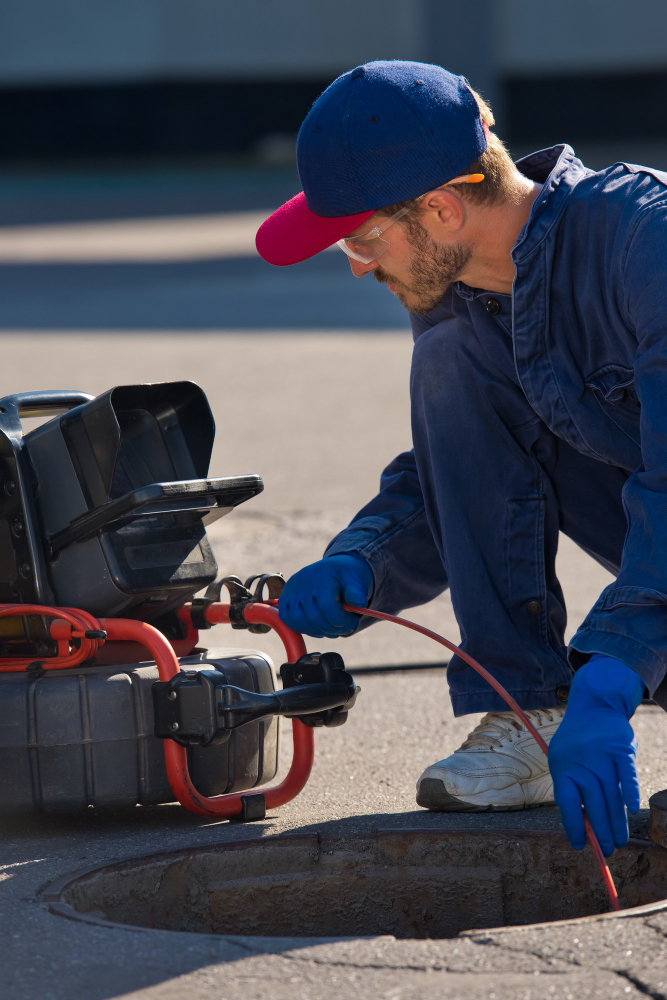
The first step is always a camera inspection. A high-definition sewer scope gives you a clear picture of what’s happening inside your pipe — the exact location of cracks, root intrusion, or collapse — before any repair work begins. At Seattle Select Sewers, we run camera inspections on every job so you know exactly what’s wrong and what needs to be done before we quote a single dollar of repair work.
If a repair is needed, trenchless sewer lining is our preferred approach for most situations. A flexible epoxy-saturated liner is inserted into your existing pipe and cured in place, creating a brand new pipe within the old one — no excavation, no torn-up landscaping, and in most cases the job is complete in a single day. We back every trenchless repair with a 20-year warranty.
If you’ve noticed any of these warning signs — or just want peace of mind about the condition of your sewer line — give Seattle Select Sewers a call at 425-531-4847. We serve the full I-5 corridor from Everett through Seattle and into Tacoma, and we’re happy to give you a straight answer about what’s going on before recommending any work.