Good sewer line maintenance in Seattle comes down to one idea: find and fix small problems in the fall, before the rainy season puts your side sewer under pressure. Seattle’s wet season runs roughly October to April, and a line that is partly blocked by roots or buildup has less room to cope. In Seattle the homeowner owns the side sewer from the house to the city main, so the upkeep is yours. This checklist covers the steps that matter most, in the order we would do them.
Most of these take little time. A few need a sewer specialist. Together, they are the best way to prevent a sewer backup when the rain settles in.
Your fall sewer line maintenance checklist
Work through these in order. Each step builds on the one before it.
1. Book a sewer camera inspection
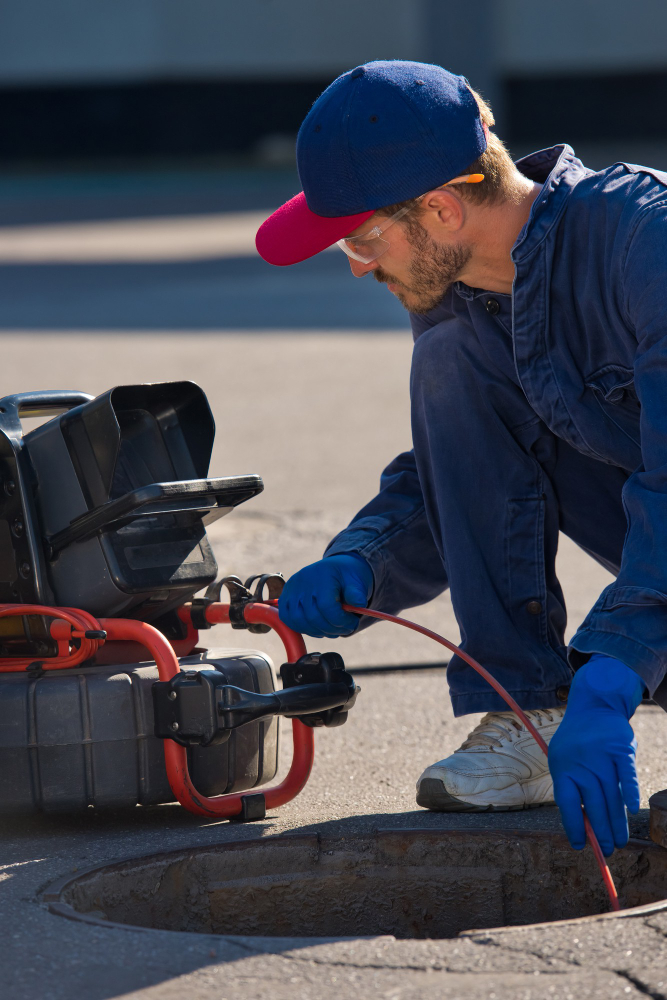
You cannot maintain a pipe you have never seen. A sewer camera inspection runs a small camera through the side sewer and shows roots, cracks, sags, offsets and buildup. It also shows how deep the pipe runs and where it goes. Our sewer inspections and locating service gives you footage and a plain English summary of what we found.
If you have never had your line scoped, or it has been a few years, fall is the time to do it.
2. Clean the line if the camera shows buildup
Grease, soap scum and debris coat the inside of a pipe over the years and narrow the path for water. Sewer cleaning before winter clears that out while the ground is still workable. Hydro jetting uses high pressure water to scour the pipe walls clean, not just punch a hole through the clog.
3. Deal with roots before they grow
Big trees are common across Seattle and the Eastside, and roots look for water in older side sewers. If the camera shows roots at the joints, our sewer root removal service cuts them out. If roots keep coming back through the same joint, a sewer pipe patch can seal that spot from the inside without digging.
4. Find your cleanout and check the cap
A cleanout is a capped pipe, usually outside near the house or in the basement, that gives access to the sewer line. Know where yours is. Make sure the cap is on tight and not cracked, and clear away leaves, soil and plants so it is easy to reach. A missing or broken cap can let debris and surface water into the line. If your home has no cleanout, or it is buried, our sewer cleanout service can help.
5. Clear gutters and point downspouts away from the cleanout
Fall leaves clog gutters fast in Seattle. Overflowing gutters dump water right next to the house, where your side sewer starts. Clear them and make sure downspouts send water away from the foundation and the cleanout area.
6. Plan any repairs now, not in January
If the inspection shows a crack, an offset or a weak section, it is easier to plan the fix on your schedule than after a backup. Many repairs can be done without a trench. Side sewer work in Seattle is permitted through Seattle Public Utilities (SPU), and Eastside cities handle their own permits, so give yourself time.
Everyday habits that help prevent a sewer backup
The checklist above covers the pipe. These habits protect it the rest of the year.
- Keep grease out of the sink. Fall and winter bring big holiday meals. Let fat cool, wipe pans with a paper towel and put the grease in the trash.
- Flush only toilet paper. Wipes, even ones sold as flushable, do not break down like paper. They snag on roots and joints.
- Use sink strainers. Catch food scraps and hair before they reach the pipe.
- Spread out heavy water use during storms. On the wettest days, try not to run the washer, dishwasher and showers all at once.
- Skip chemical drain cleaners. They rarely reach a side sewer problem and can be hard on older pipes.
- Know the warning signs. Slow drains in several places, gurgling toilets and water rising in a low drain all mean it is time for a check.
Who should put this on the calendar first
Every home benefits from fall sewer line maintenance, but some should move it to the top of the list.
- Older homes. Many Seattle homes from the early 1900s to the 1950s still have clay or concrete side sewers. Some mid-century homes have Orangeburg pipe, and some have cast iron.
- Homes with large trees. Mature street and yard trees are a common source of root problems.
- Hillside lots. Steep slopes are common in Seattle and in hillside areas of Issaquah, and long, deep side sewers are harder to reach in a hurry.
- Landlords. A backup in a rental means an unhappy tenant and an urgent call. A fall check is easier on everyone.
- Homes that had a clog last year. If the cause was never found, it is likely still there.
How our general sewer maintenance works
Our general sewer maintenance service is built around the checklist above. We inspect the line, clean it if it needs it, clear roots, and tell you plainly what condition the pipe is in. If it is in good shape, we say so. If it needs work, we show you the footage and explain your options. No exaggerating and no unnecessary work.
We focus only on sewer work and have been local sewer experts since 2005. We are licensed and bonded in Washington State (L&I license #SEATTSS874JJ), and our projects come with a 20 year warranty. We work across Seattle, the Eastside and north to Everett.
Frequently asked questions
How often should I have my sewer line inspected?
It depends on the age of the pipe, the trees nearby and your history of clogs. Older pipes and homes with big trees benefit from more regular checks. A first camera inspection tells you how often your line really needs attention.
Is fall the best time for sewer line maintenance in Seattle?
It is a very good time. Doing the work before the wettest months means you find problems while you still have time to plan the fix, rather than after a backup.
Can I maintain my sewer line myself?
You can handle the habits: keep grease and wipes out, use strainers and keep the cleanout clear. Cleaning, root removal and inspection need specialist equipment.
What is the best way to prevent a sewer backup?
Know the condition of your pipe. A camera inspection, cleaning when needed and fixing weak spots early do more to prevent a backup than anything else.
Call Seattle Select Sewers at 425-531-4847 for a free sewer estimate.