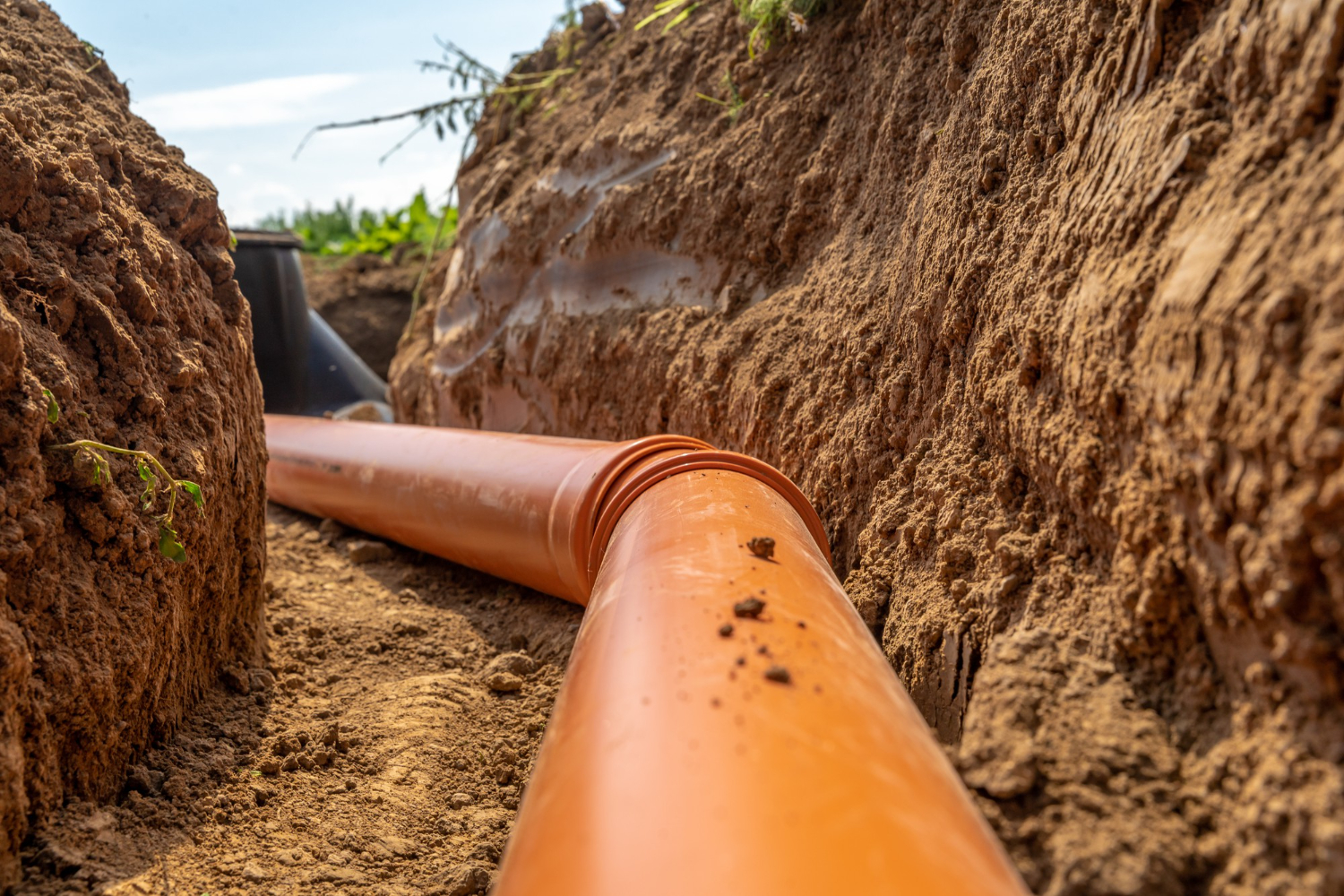
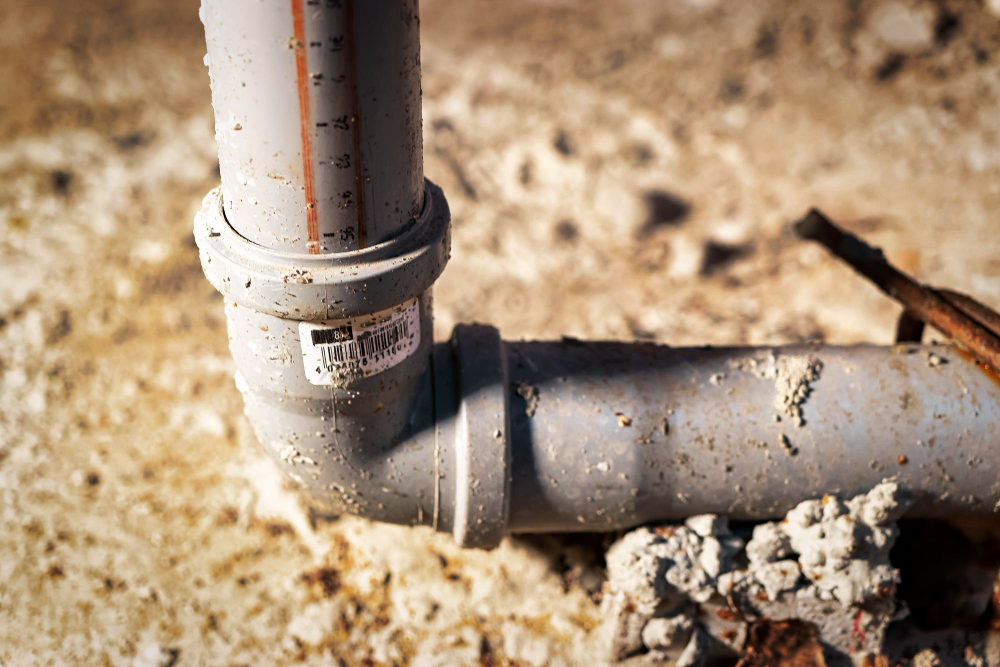
A main sewer line clog means the pipe that carries all of your home’s wastewater out to the city sewer is blocked. In Seattle that pipe is called the side sewer, and the homeowner owns it from the house to the city main. The clearest sign is more than one drain acting up at once, especially the lowest drains in the house. If that is happening, stop running water, do not reach for chemical drain cleaner, and get the line checked before it backs up. Here is how to spot the signs and what to do first.
During Seattle’s wet season, roughly October to April, a partly blocked line has less room for error. Saturated soil and heavy storms can put extra strain on older sewers, so a slow line in October can turn into a backup in November.
Signs of a main sewer line clog
A clog in one sink usually affects one sink. A clog in the main line affects the whole house. These are the signs of sewer line problems we hear about most often.
Multiple drains clogged at the same time
If the kitchen sink, the shower and a toilet are all slow, the problem is rarely three separate clogs. They share one pipe out of the house, and that pipe is the likely trouble spot.
Water coming up in the lowest drain
Wastewater looks for the lowest exit. When the main line is blocked, water from upstairs fixtures can rise in a basement shower, a laundry sink or a lower floor toilet. That is a strong sign the clog is in the main line, not the fixture.
Gurgling when you use another fixture
If the toilet gurgles when the washing machine drains, or the tub bubbles when you flush, air is being pushed through the system because water cannot get past a blockage.
Toilet problems that a plunger will not fix
One stubborn toilet can be a toilet issue. Toilets that keep clogging, or that rise when you run the sink, point to the line.
Sewage at the cleanout
Many homes have a cleanout, a capped pipe outside or in the basement that gives access to the sewer line. If you lift the cap and see standing water, the clog is past that point.
What to do first
When you see these signs, a few quick steps can limit the mess.
- Stop using water. Every flush, shower and load of laundry adds water to a pipe that has nowhere to send it. Ask everyone in the house to hold off.
- Do not use chemical drain cleaner. It rarely reaches a main line clog, it can be hard on older clay, cast iron or Orangeburg pipe, and it makes the job less safe for whoever opens the line next.
- Do not keep plunging. Plunging one fixture can push water out of another, often the lowest one.
- Check the cleanout if you can find it. Standing water there tells us a lot. Do not open it if water is already backing up indoors, as the cap can release pressure.
- Keep people and pets away from any sewage. Wastewater carries germs. Wear gloves if you have to move items out of the way.
- Call a sewer specialist. A main line clog needs the right equipment to clear and a camera to find out why it happened.
How a sewer specialist clears a main line clog
Clearing the clog is only half the job. The other half is finding out why it formed so it does not come back.
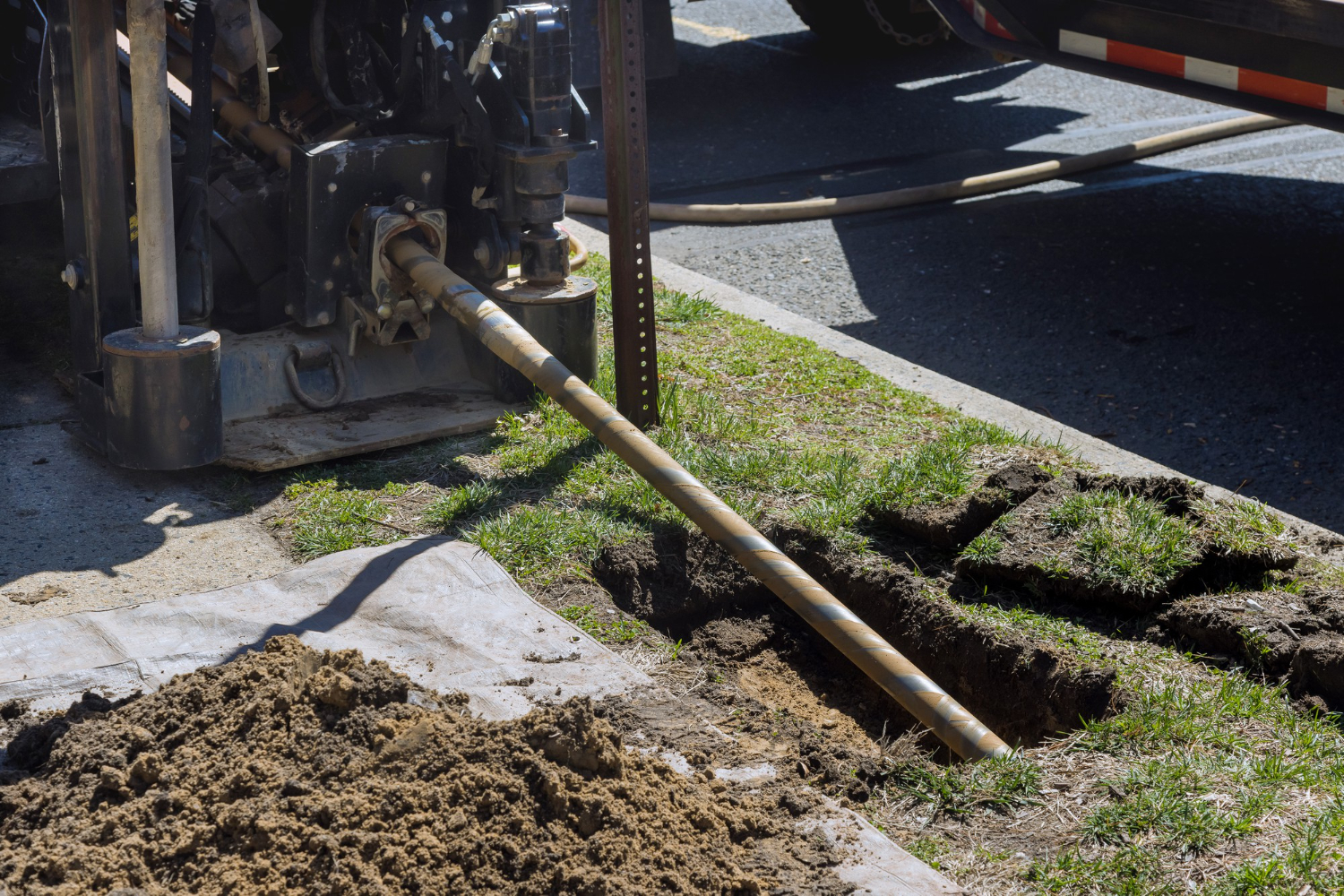
Our clogged sewer repair work usually starts at the sewer cleanout. From there we clear the line, often with hydro jetting, which uses high pressure water to scour grease, sludge and debris from the pipe walls. If roots are the problem, our sewer root removal service cuts them out.
Then we run a camera through the line. Our sewer inspections and locating service shows whether the clog came from buildup alone or from a crack, a root intrusion, a sag or a broken section. That footage is what we use to give you a straight answer on whether you need a repair at all.
If the pipe is sound, clearing it may be all you need. If it is damaged, we will show you the footage and explain your options, from a trenchless patch to a full replacement. We focus only on sewer work, and our promise is no exaggerating and no unnecessary work.
Why main line clogs are common in Seattle homes
A lot of Seattle homes were built from the early 1900s to the 1950s, and many still have their original clay or concrete side sewers. Those pipes have joints every few feet where roots can get in and debris can catch. Some mid-century homes have Orangeburg pipe, which can lose its shape. Big trees are everywhere, and hilly lots mean some side sewers run long and deep.
This is true in older Seattle neighbourhoods and in many homes in Edmonds, Burien and across the Eastside. Because Seattle homeowners own the side sewer up to the city main, keeping it clear is part of owning the home.
We have been local sewer experts since 2005, we are licensed and bonded in Washington State (L&I license #SEATTSS874JJ), and our projects carry a 20 year warranty. We serve homeowners and landlords across Seattle and nearby cities.
Frequently asked questions
How do I know if the clog is in my main sewer line or just one drain?
Run water in a few places. If only one fixture is slow, the clog is likely in that drain. If several are slow, or water rises in the lowest drain when you use another fixture, the clog is likely in the main line.
Can I clear a main sewer line clog myself?
Store bought snakes are usually too short and too weak for a main line, and they can get stuck. Chemicals rarely reach the clog. It is safer to stop using water and have a specialist clear it and check the pipe with a camera.
Is a main sewer line clog the city’s responsibility in Seattle?
Usually not. In Seattle the homeowner owns and maintains the side sewer from the house to the city main, often including the part under the street. If the city main itself is blocked, that is the city’s issue, and a camera inspection can help show where the blockage is.
Will a main line clog come back after it is cleared?
It can, if the cause is still there. Roots grow back through cracked joints, and sags collect debris. That is why we follow up a clearing with a camera inspection, so you know whether the pipe needs a repair.
Call Seattle Select Sewers at 425-531-4847 for a free sewer estimate.