Why is my toilet gurgling? In most cases, air is being forced through the water in the bowl because something in the drain system is not letting air and water flow the way they should. In Seattle homes, the usual causes are a partial clog in the toilet drain, a blocked plumbing vent, or a clog in the side sewer, the pipe that runs from your house to the city main. If the toilet gurgles when other fixtures drain, or after heavy rain, the side sewer is a strong suspect. Here is how to work out which one you have.
A gurgle is an early warning, not a reason to panic. It usually shows up before a backup, which gives you time to find the cause while it is still a small job.
What makes a toilet gurgle
Drains need two things to work: a clear path for water to flow out, and air to follow behind it. When either is blocked, pressure builds and air pushes back up through the nearest water, which is often the toilet bowl.
A partial clog in the toilet drain
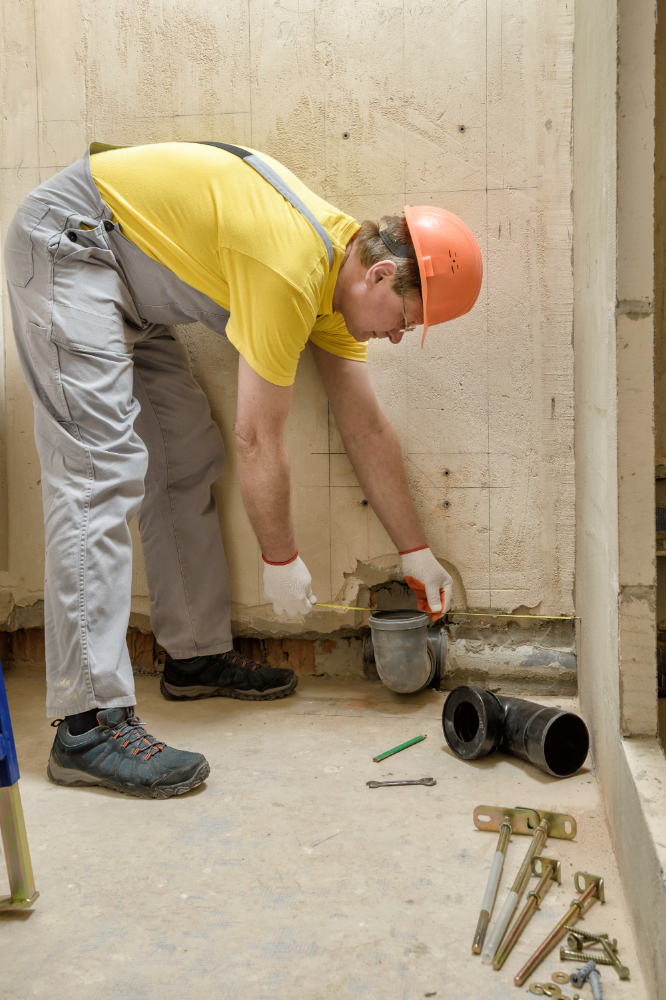
If only the toilet gurgles, and only when you flush it, the clog may be close by. Too much paper, wipes or a small object can narrow the pipe without fully blocking it. A plunger often fixes this.
A blocked plumbing vent
Your home has vent pipes that run up through the roof. They let air into the drain system so water can flow freely. If a vent is blocked by leaves, a nest or debris, drains pull air through the toilet instead, and you hear gurgling. A sewer vent blocked at the roof often causes slow drains and gurgling across one bathroom or one side of the house. Vent problems are plumbing and roof work, not side sewer work. If we check your side sewer and it is clear, we will tell you so you can look at the vent next.
A clog in the main sewer line
This is the cause to take most seriously. When the side sewer is partly blocked, water from other fixtures cannot get out fast enough. Air is pushed back through the toilet. You may notice a gurgling sink and toilet together, or the toilet bubbling when the washing machine drains or the shower runs.
Damage in the side sewer
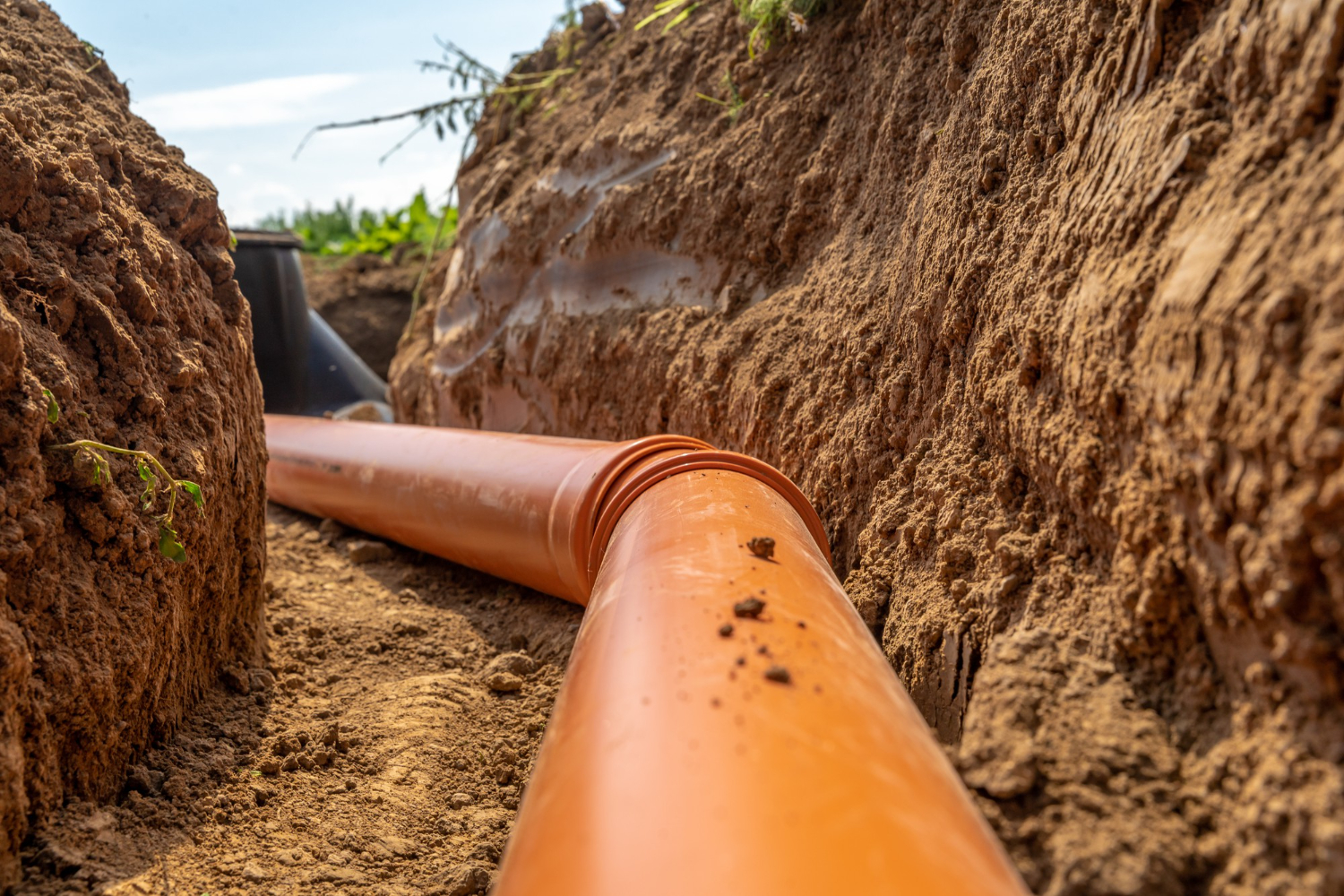
Roots, cracked joints, an offset pipe or a section that has sagged can all slow the flow. Debris catches at those spots and builds up over time. Many older Seattle homes, built from the early 1900s to the 1950s, still have clay or concrete side sewers. Some mid-century homes have Orangeburg pipe. These older pipes are more likely to have weak spots.
How to narrow it down at home
You can learn a lot in a few minutes without any tools.
- Check if it is one toilet or many drains. Run the sink, the shower and the other toilets. If only one fixture gurgles, the issue is likely local to that drain or its vent. Gurgling drains across the house point to the main line.
- Watch the lowest drain. Look at a basement shower, floor level toilet or laundry sink while someone runs water upstairs. Water rising there points to a main line clog.
- Note when it happens. Gurgling only when you flush is different from gurgling when the washer drains. The second points further down the line.
- Try a plunger once. If plunging stops it for good, it was likely a local clog. If it comes back, there is something deeper.
- Skip the chemical drain cleaner. It rarely reaches a side sewer problem and can be hard on older pipes.
Gurgling toilet after rain
If your toilet only gurgles during or after heavy rain, pay attention. Seattle’s wet season runs roughly October to April, with long stretches of steady rain and saturated soil. Heavy storms can overload combined or older sewers in some areas.
When that happens, water in the system has less room to move, and a side sewer that is already partly blocked or cracked can show it first. A gurgle that lines up with the weather often means your line has little spare room. It is worth a look before the heaviest months of the season.
Gurgling after rain does not always mean your pipe is broken. But it does mean the line is working harder than it should, and a camera inspection is the fastest way to know why.
When to call a sewer specialist
Call us if the gurgling keeps coming back, if more than one fixture is involved, if it happens after rain, or if water rises in a low drain. Those are signs the problem is in the side sewer, and in Seattle the homeowner owns that pipe from the house to the city main.
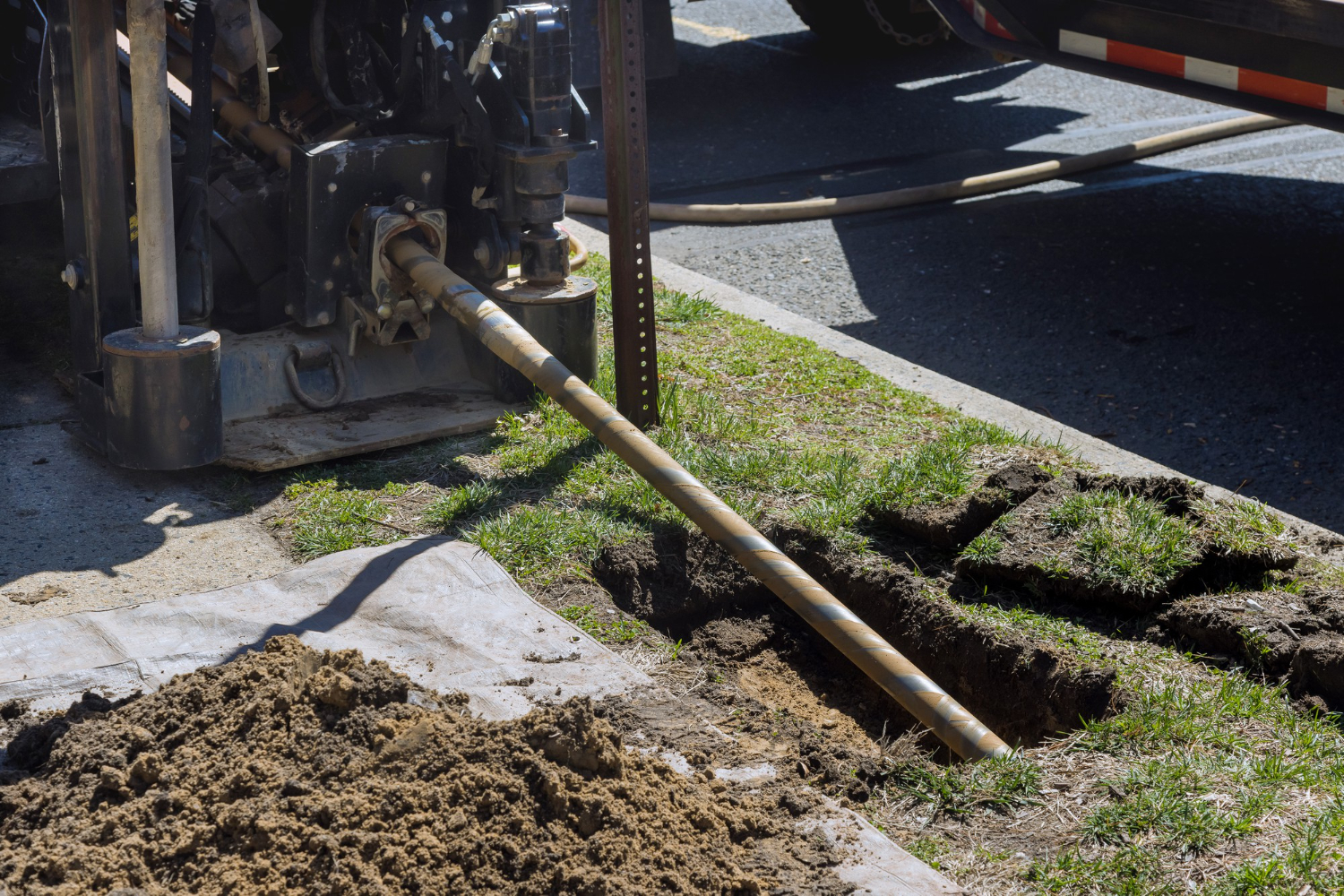
We start with our sewer inspections and locating service. A camera runs through the line and shows exactly what is going on. If it is a clog, our clogged sewer repair team clears it, often with hydro jetting. If the camera finds cracks or roots in a pipe that still holds its shape, trenchless sewer repair may fix it without digging up the yard.
You get a straight answer and the footage to back it up. If the line is clear and the issue looks like a vent, we will say so rather than sell you work you do not need.
We focus only on sewer work and have been local sewer experts since 2005. We are licensed and bonded in Washington State (L&I license #SEATTSS874JJ), and our projects carry a 20 year warranty. We help homeowners across Seattle, Redmond, Bothell and nearby cities. Start with a free sewer estimate.
Frequently asked questions
Is a gurgling toilet an emergency?
Not usually on its own. But it is a warning. If the gurgling comes with slow drains in several places or water rising in a low drain, a backup may be close. Cut back on water use and get the line checked.
Why do my sink and toilet gurgle at the same time?
When a sink and toilet gurgle together, they are likely sharing a blocked section of pipe or a blocked vent. If other fixtures across the house are also slow, the main sewer line is the likely cause.
Can a blocked vent make my toilet gurgle?
Yes. A blocked roof vent starves the drains of air, so they pull it through the toilet instead. Vent work is a job for a plumber or roofer. If the side sewer checks out clear, the vent is the next place to look.
Will a gurgling toilet fix itself?
Sometimes a small clog works loose. More often the gurgle comes back, because the cause is still there. Roots and buildup in a side sewer tend to get worse over time, not better.
Call Seattle Select Sewers at 425-531-4847 for a free sewer estimate.