Pipe bursting and pipe lining are both ways to fix a Seattle side sewer without digging a trench across your whole yard. Pipe lining puts a new pipe inside your old one. Pipe bursting breaks the old pipe apart and pulls a new pipe through the same path. Which one fits depends on the shape your pipe is in. In Seattle, where many older homes still have clay, concrete, Orangeburg or cast iron side sewers, a camera inspection usually makes the answer clear. This guide explains both methods and how to tell which one suits your pipe.
In Seattle the homeowner owns the side sewer from the house to the city main, so this choice is yours to make. It helps to understand the options before anyone quotes you.
How pipe bursting and pipe lining work
Pipe bursting
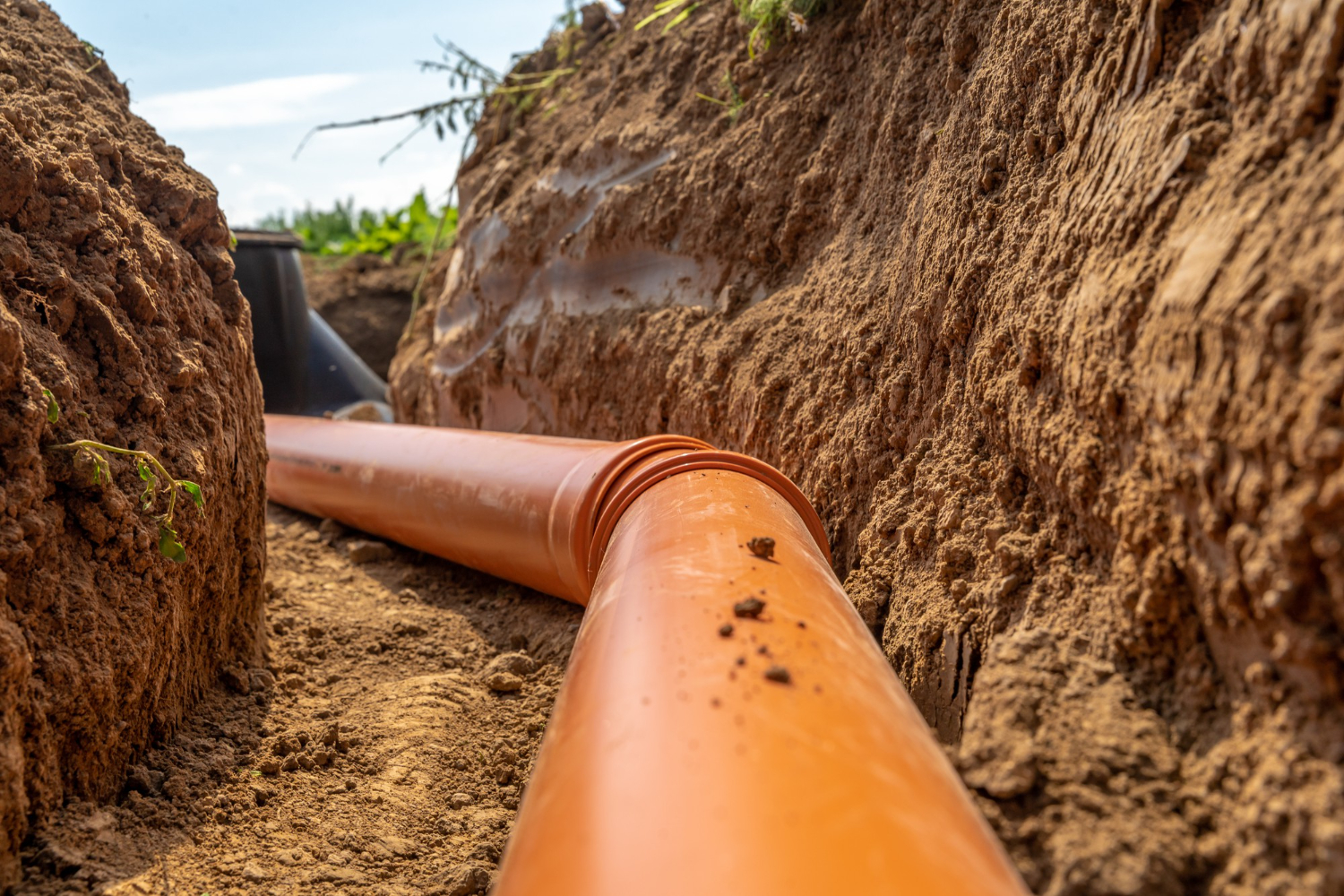
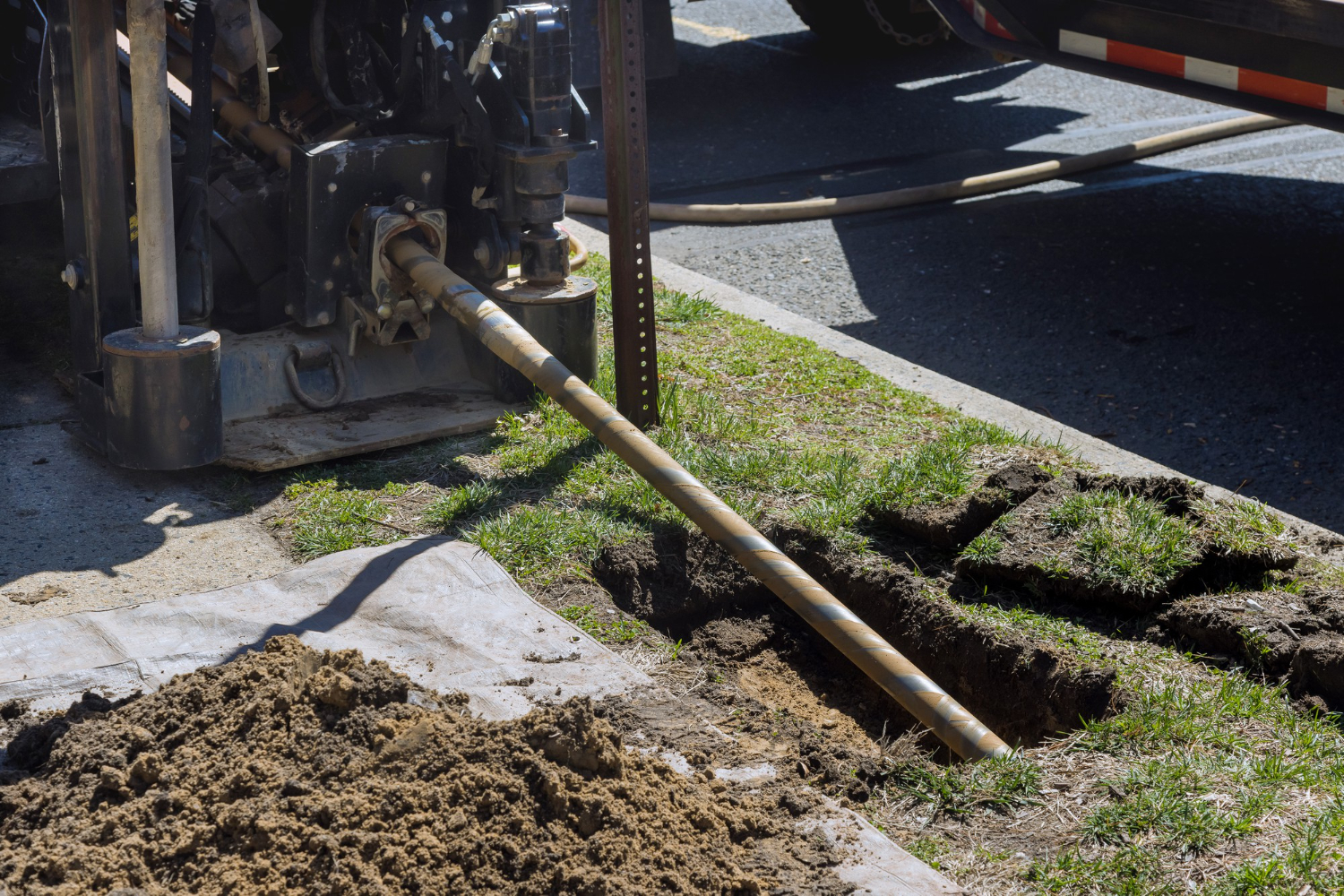
Pipe bursting is a trenchless way to replace a sewer pipe. A crew digs a small pit at each end of the pipe. A cone shaped bursting head is then pulled through the old pipe. As it moves, it cracks the old pipe and pushes the pieces outward into the soil. A new pipe, usually a tough plastic pipe, is pulled in right behind it.
The result is a brand new pipe along the old path, with only two small holes instead of a long trench. Pipe bursting can replace a pipe that is too broken to line, as long as the bursting head can still get through.
Pipe lining
Pipe lining, often called CIPP (cured in place pipe), is a new pipe lining cured inside the old pipe. A resin soaked liner is fed into the existing pipe, pressed against the walls and hardened in place. Once it cures, it forms a smooth, sealed pipe within a pipe.
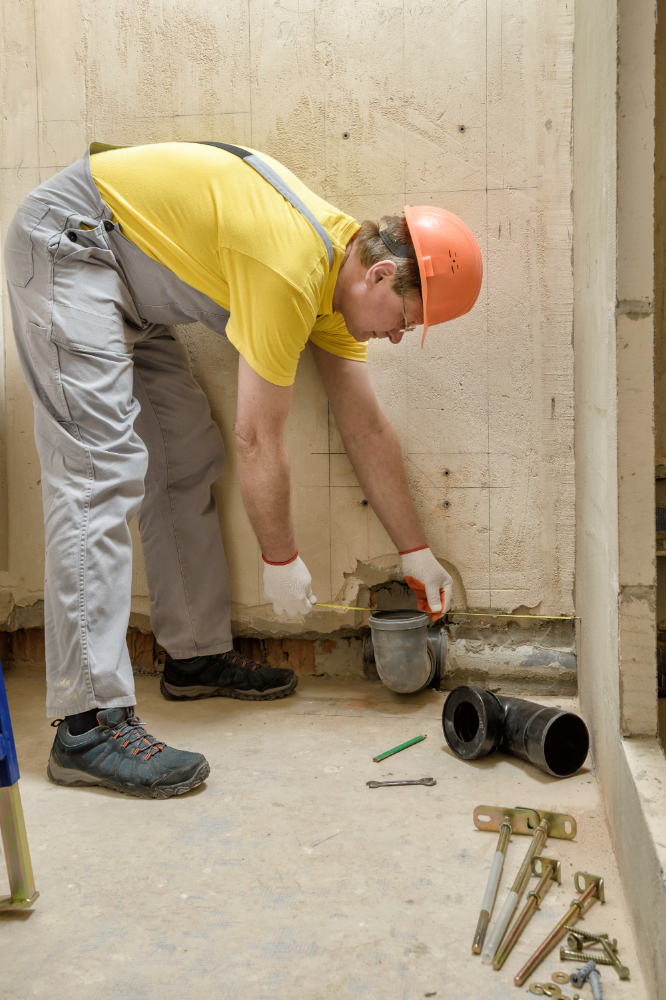
Lining needs only an access point, often a cleanout, so there is usually even less digging than pipe bursting. It seals cracks, stops root entry at joints and covers small gaps. For one bad spot, a short liner called a sewer pipe patch can fix just that section.
Lining has one big rule. The old pipe has to keep its shape. The liner follows the host pipe, so if that pipe has collapsed, is crushed flat, or has a big gap where a section is missing, lining will not fix it.
Pipe lining vs pipe bursting: which fits your pipe?
The camera footage does most of the deciding. Here is how the common Seattle situations usually play out.
Cracks, root entry and leaky joints in a pipe that is still round
This is the classic case for lining. Older clay pipes often crack at the joints and let roots in, but the pipe itself still holds its shape. After the roots are cleared, a liner seals the whole run. If the trouble is only in one or two places, a patch may be enough.
A collapsed or crushed section
A liner cannot rebuild a pipe that has caved in. This is where pipe bursting or a full dig replacement comes in. Orangeburg pipe, a fibre pipe found in some mid-century homes, is known for losing its shape over time, which often rules out lining.
Sags and low spots
Neither method fixes a pipe that has lost its slope. Lining follows the old pipe, sag and all. Pipe bursting also tends to follow the old path. If water is sitting in a low section, the fix is often to dig and reset that part of the pipe.
Pipes under driveways, trees or the street
Both methods avoid tearing up what sits on top. Lining usually needs the least digging. Pipe bursting needs a pit at each end, which can be harder on a tight lot or a steep slope, both of which are common in Seattle neighbourhoods.
Nearby utilities
Bursting pushes broken pipe outward. If gas lines, water lines or other pipes run very close by, the crew has to weigh that risk. Lining stays inside the old pipe, so it does not press on anything around it.
Why we lead with lining and patches, and when we don’t
Our approach is simple. We focus only on sewer work, and we use the least disruptive fix that will actually last. For most Seattle side sewers with cracks and roots, that is trenchless sewer repair with CIPP lining or a pipe patch. Before lining, we sometimes use robotic cutting inside the pipe to clear obstructions or reopen side connections.
When the pipe is past saving, we say so. Collapsed pipe, missing sections and bad sags call for sewer replacement. That is our promise: a straight answer, no exaggerating and no unnecessary work. If lining will not hold up on your pipe, we will not sell it to you.
Every recommendation starts with sewer inspections and locating. We run a camera through the line, mark where the problems are and how deep the pipe sits, and show you the footage. Then we explain each option that fits.
Side sewer repair in Seattle and the Eastside: permits and next steps
Side sewer repairs and replacements in Seattle are permitted through Seattle Public Utilities (SPU). In Eastside cities such as Bellevue, Kirkland and Redmond, permits go through the city. We handle the permit step as part of the job.
A good next step looks like this:
- Book a camera inspection so you know the real condition of the pipe.
- Ask which method fits each section of the pipe, and why.
- Make sure the quote covers permits and any restoration.
- Ask about the warranty. Our projects come with a 20 year warranty.
We have been local sewer experts since 2005 and are licensed and bonded in Washington State (L&I license #SEATTSS874JJ). We work across Seattle and nearby cities.
Frequently asked questions
Is pipe bursting better than pipe lining?
Neither is better in every case. Lining is usually less disruptive and works well on pipes that are cracked but still round. Pipe bursting can replace a pipe that is too damaged to line. The condition of your pipe decides which one fits.
Can you line a collapsed sewer pipe?
No. A liner takes the shape of the old pipe, so it needs a pipe that is still open and round. A collapsed section has to be replaced, either by bursting or by digging.
Is pipe bursting considered trenchless sewer replacement?
Yes. Pipe bursting replaces the pipe with a new one while digging only small pits at each end. Lining is also trenchless, but it renews the pipe from the inside rather than replacing it.
Can pipe lining fix roots in my side sewer?
Lining seals the joints and cracks that roots use to get in. The roots are cleared first, then the liner is installed. If the pipe is badly broken by roots rather than just invaded, replacement may be needed.
Call Seattle Select Sewers at 425-531-4847 for a free sewer estimate.