A basement floor drain backing up is almost never a floor drain problem. The floor drain is usually the lowest opening in the house, so when anything downstream is blocked, wastewater from the rest of the house rises there first. In Seattle this tends to show up between October and April, when steady rain soaks the ground around older clay side sewers, mature tree roots crowd the pipe joints, and some older neighborhoods still send stormwater into the same pipes as household waste. The good news: the way your drain backs up tells you a lot about why.
Why the floor drain goes first
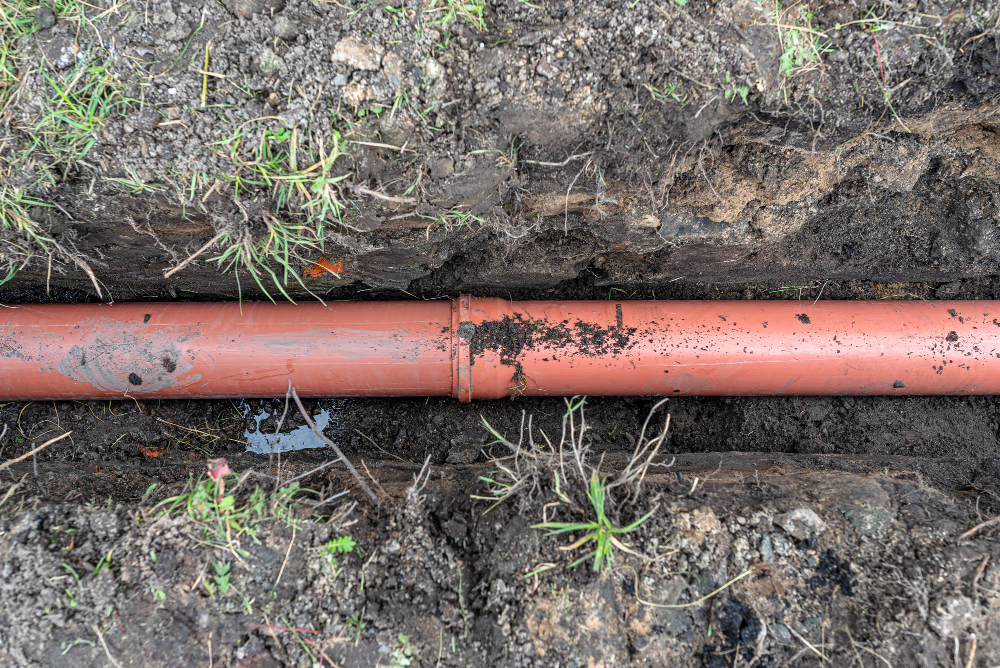
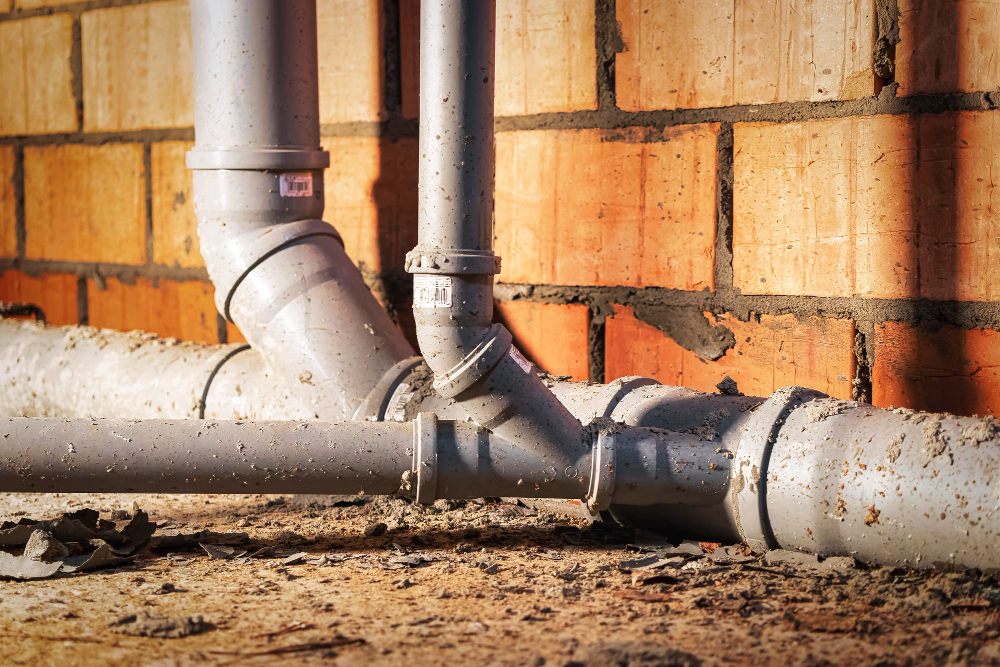
Your floor drain ties into the same building drain that carries everything from your toilets, showers and washer out to the side sewer. The side sewer is the pipe that runs from your house to the public sewer main. In Seattle, the property owner owns and maintains that whole pipe, including the part under the street.
When a clog forms anywhere past the floor drain, water from upstairs has nowhere to go. It backs up the pipe until it finds the lowest open point, and that is the grate in your basement floor. This is why snaking the floor drain itself rarely solves anything. The real issue is usually a main line clog, meaning a blockage in the main pipe leaving the house rather than in one fixture.
One exception: if a little water sits in the floor drain and nothing else in the house is affected, the drain’s own trap or short branch line may be packed with silt, sand or laundry lint. That is a smaller, local fix.
Read the clues: when does it back up?
Before anyone opens a pipe, pay attention to the timing. It narrows things down fast.
- When the washing machine drains. A washer dumps a lot of water quickly. A partly blocked line can handle a sink or a flush but not that surge. Roots and grease buildup are common culprits.
- When someone upstairs flushes or showers. The blockage is downstream of the floor drain, somewhere in the building drain or side sewer.
- Only during or after rain. This points to water getting into your line from outside, or to the public system running full. More on this below.
- Every day, and getting worse. The line may be close to fully blocked, or a section may have sagged or collapsed. A sag is called a belly, a low spot where water and waste settle. See our guide on fixing a belly in a sewer line.
- Clear water versus dirty water. Clear water in storms often means groundwater or stormwater. Gray water means household waste is stuck.
Jot down what you see and when. It speeds up the camera inspection.
Floor drain backing up when it rains
Rain-related backups are their own category, and they are common around Puget Sound. Three causes come up again and again.
- Groundwater getting into a cracked side sewer. Glacial till and clay-rich soils drain slowly. After days of rain, the soil around your pipe stays saturated, and water seeps in through open joints, cracks and root holes. That extra water uses up the room your household waste needs.
- Stormwater tied into the sewer. King County notes that in some older Seattle neighborhoods, roof drain downspouts and foundation drains flow into the sewers. If yours do, a downpour sends roof water down the same pipe as your laundry.
- Combined sewer surcharge. Parts of older Seattle are served by combined sewers that carry both stormwater and wastewater. In heavy rain the public main can run full, and water can push back up your side sewer toward the lowest opening in the house.
The first two are on your property and can be fixed. The third is outside your control, which is where a backwater valve comes in. For the bigger picture on wet weather and sewers, read how Seattle’s rainy weather affects your sewer system.
What actually fixes a backed-up floor drain
The order that works: clear the line, look at it on camera, then fix the cause instead of the symptom.
- Clear the blockage. A cable machine or hydro jetting gets water moving again. Hydro jetting uses high-pressure water to scour the pipe walls clean. Our clogged sewer repair service starts here.
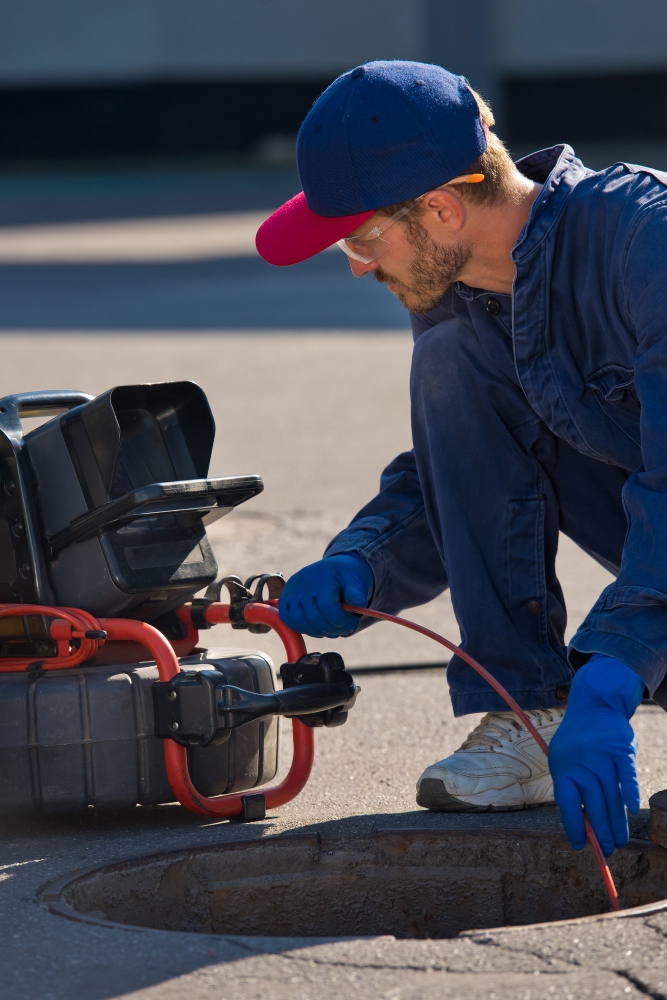
- Run a camera through the line. A sewer camera inspection shows roots, offset joints, cracks and sags, and we locate where they are in your yard. You see the footage before any repair talk.
- Deal with roots. If roots are the cause, root removal clears them. Without a repair, they grow back.
- Line or patch the damaged pipe. For most failing side sewers, trenchless repair with CIPP lining is our first choice. CIPP, or cured-in-place pipe, is a new pipe formed and hardened inside the old one, with no trench across your yard. It gives the line 40 or more years of service life. If the damage is in one spot, a sewer pipe patch may be enough.
- Add a cleanout. A cleanout is a capped access pipe that lets us reach the main line without pulling a toilet or working through your floor drain. If you do not have one, cleanout installation makes every future visit simpler.
- Consider a backwater valve. Seattle Public Utilities describes backwater valves as devices that prevent sewage from flowing back into the building. They let wastewater leave but close when flow reverses. They need occasional checks so they do not stick.
What we will not do is push a full replacement when a lining job or a patch handles it. Most repairs wrap up in a single day.
What to do right now
Stop running water in the house, hold off on laundry and showers, and keep kids and pets away from the wet area. Skip the chemical drain openers. They rarely clear a main line clog, and they leave caustic water in the pipe for whoever opens it next. For a step-by-step list, see what to do immediately after a sewer backup. If your toilet gurgles when the floor drain acts up, our post on why a toilet gurgles explains what that can mean.
We work across the city, from West Seattle to Wallingford. See our Seattle sewer repair page for more.
Floor drain backup FAQs
Why does my floor drain back up when I do laundry?
A washer releases a lot of water at once. If the main line is partly blocked by roots, grease or a sag, it cannot keep up, and the overflow comes out at the lowest drain. It is an early warning that the line needs a camera inspection.
Can I just plug the floor drain?
Plugging it moves the problem to the next lowest opening, such as a basement toilet or shower. It also takes away the drain you need if a water heater or pipe ever leaks. Fix the line instead.
Is a backed-up floor drain the city’s responsibility?
In Seattle, the side sewer from your house to the public main belongs to the property owner, including the part under the street. If the public main itself is overloaded in a storm, that is a city system issue. Outside Seattle, check with your city or your local sewer utility or district about where your responsibility ends.
How long does the repair take?
Clearing a line is usually quick. Most repairs, including many lining jobs, wrap up in a single day. Larger lining jobs can take a couple of days. You get a written estimate before any work begins.
Dealing with a backed-up floor drain in the Seattle area? Call Seattle Select Sewers at 425-531-4847.