Every homeowner facing a damaged sewer line eventually asks the same question: is trenchless repair actually worth it, or is it just a more expensive way to fix the same problem. It is a fair question, and the honest answer is more nuanced than a simple yes or no.
Trenchless methods often carry a higher price per foot of pipe than digging a trench and replacing it the old-fashioned way. But that comparison misses most of the real cost of a repair. Once you factor in landscaping, driveway restoration, permit complications, and the sheer time a trench takes to dig and refill, the math frequently flips in favor of going trenchless. Routine hydro jetting can sometimes delay the need for either method, but once a pipe is structurally damaged, jetting alone will not fix it.
This guide breaks down what actually determines trenchless repair pricing in Seattle, how the two main methods compare, and why the real cost conversation is bigger than the number on the first estimate.
In this article, you will learn about:
- What trenchless repair actually involves and why it costs what it does
- The factors that push pricing up or down on any given job
- How trenchless pricing compares to traditional excavation once everything is counted
- What to check before choosing a contractor and a method
Keep reading to understand the real cost picture behind trenchless repair, not just the number that shows up on a quick estimate.
What trenchless repair actually involves
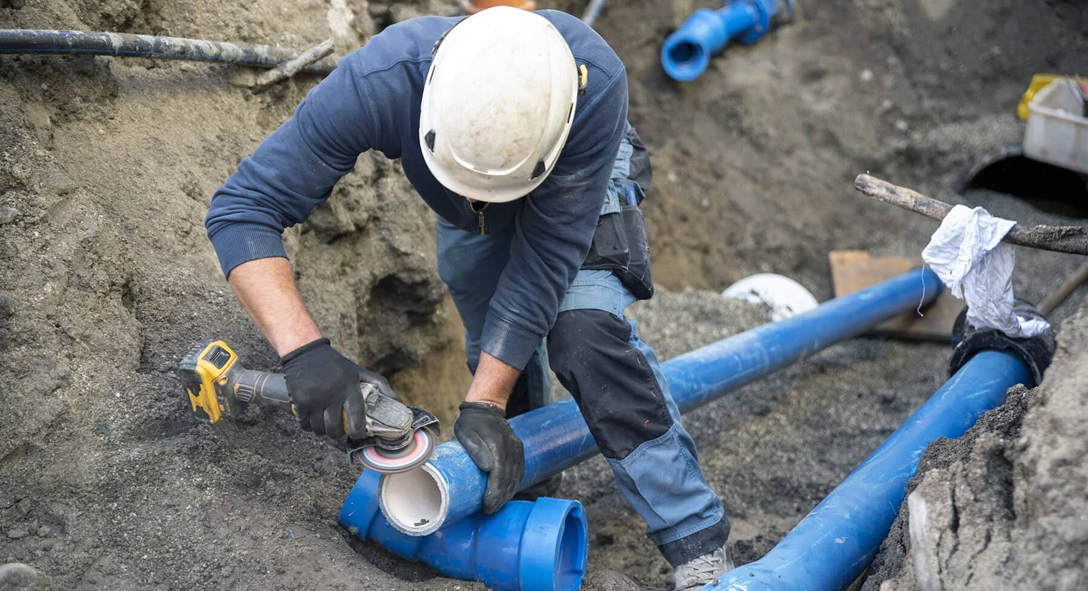
Trenchless sewer repair covers a small family of methods that fix or replace a damaged pipe without digging a continuous trench along its entire length. The two methods homeowners run into most often are cured-in-place pipe lining and pipe bursting.
CIPP lining works by threading a resin-saturated liner into the existing damaged pipe, then curing it in place until it hardens into a new pipe within the old one. Pipe bursting takes a different approach, pulling a new pipe through the old one while a bursting head fractures the original pipe outward into the surrounding soil.
- CIPP lining is generally used when the existing pipe is still structurally present and roughly the right shape
- Pipe bursting works well when the old pipe is too damaged to line, or when a larger diameter is wanted
- Both methods typically require only one or two small access points, not a continuous trench
- Neither method works on every pipe, which is why the diagnosis step matters so much
Understanding which method actually applies to your situation is the real starting point of any cost conversation, since the two methods have different equipment, material, and labor requirements.
Why the method choice comes before the price
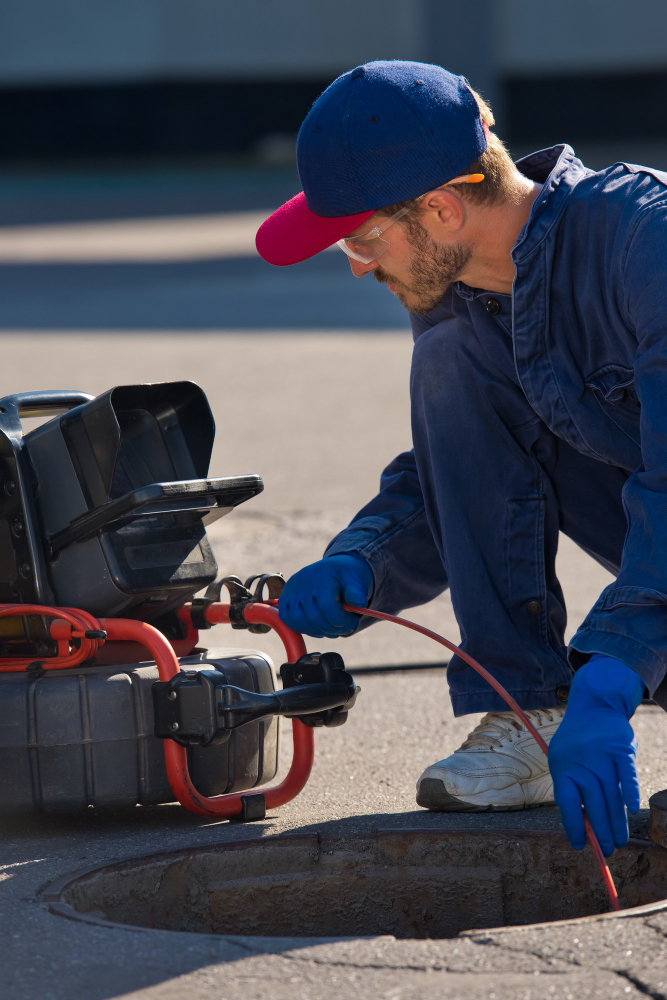
A contractor cannot give you an accurate estimate until they know which trenchless method your pipe qualifies for, and that decision comes directly from a camera inspection. Skipping this step and asking for a number over the phone almost always produces a rough guess rather than a real quote.
A pipe with a severe belly, a full collapse, or major offset joints may not be a candidate for lining at all, which changes the entire cost structure of the job. This is exactly why a camera inspection always comes first.
- Schedule a camera inspection before requesting a firm trenchless quote
- Ask the contractor directly which method the footage supports and why
- Request a written explanation if a contractor recommends full excavation over trenchless
A contractor who skips the camera step and quotes a trenchless price sight unseen is skipping the exact information that determines whether trenchless is even viable for your pipe.
The 50-year lifespan behind the price tag
Part of what you are paying for with CIPP specifically is longevity, not just a quick fix. The National Association of Sewer Service Companies recognizes CIPP as having a minimum life expectancy of 50 years when properly designed, installed, and tested.
That lifespan matters when comparing trenchless pricing to a cheaper short-term patch. A liner that lasts five decades is functioning as a full pipe replacement in almost every practical sense, which is a very different value proposition than a temporary spot repair.
- A properly cured CIPP liner performs as a structural pipe, not a cosmetic fix
- The resin bonds directly to the host pipe, closing off the joints where root intrusion most often starts
- A pipe bursting replacement carries a similar long-term lifespan since it installs an entirely new pipe
- Comparing trenchless cost only against the cheapest available patch misses this durability difference
Weighing cost against expected lifespan, rather than against the absolute lowest quote available, is how to evaluate whether a trenchless price is actually reasonable.
How pipe material affects which method fits
The material of your existing pipe plays a direct role in which trenchless method makes sense and how the job is priced. Clay, cast iron, and older concrete pipes behave differently under both lining and bursting equipment.
Pipe bursting works especially well on clay pipe because the bursting head can fracture it cleanly outward. Cast iron and certain older materials sometimes require different equipment or additional care during the bursting process.
- Clay pipe is generally considered a good candidate for pipe bursting
- Cast iron may require specialized bursting equipment depending on wall thickness and condition
- CIPP lining works across most pipe materials as long as the host pipe retains its basic shape
- A technician experienced with your specific pipe material is worth confirming before committing to a method
Knowing your pipe’s material in advance, usually visible during the camera inspection, helps set realistic expectations about which method and price range actually applies.
What actually drives trenchless pricing up or down
Trenchless repair pricing is not a single number that applies evenly across every home. The same method can cost noticeably different amounts on two properties a few blocks apart, and the reasons are almost always tied to the physical realities of the job.
Pipe diameter, length, depth, and the number of access points needed are the primary drivers behind most quotes. None of these factors are padding. They reflect real differences in material volume, equipment time, and labor.
- Longer pipe runs require more liner material or more pipe for bursting, which raises the base cost
- Deeper lines require more excavation at the access points, even for a technically trenchless method
- Pipes with severe bends or multiple connections take longer to service correctly
- Soil conditions affect how easily pipe bursting equipment can move through the ground
None of these variables are things a homeowner controls, but understanding them helps you evaluate whether a quote reflects the actual scope of your specific pipe rather than a generic estimate.
Access points and why they still matter
Trenchless does not mean zero digging. Both CIPP and pipe bursting typically require small excavated access points at each end of the repair section, even though the bulk of the pipe run stays undisturbed. Aging underground infrastructure is a genuinely national problem, not just a Seattle one. The Environmental Protection Agency’s most recent needs assessment estimated that the country’s wastewater and stormwater infrastructure will need roughly 630 billion dollars in investment over the next 20 years, a scale of deterioration that mirrors what happens in older sewer laterals as well.
The number and size of these access points is a real cost factor, and it is one of the clearer distinctions between the two main trenchless methods. Pipe bursting generally needs a slightly larger insertion pit than CIPP lining does.
- Ask how many access points your specific repair will require
- Confirm whether existing cleanouts can serve as access points, which reduces new digging
- Ask what the restoration plan looks like for each access point once the work is done
Fewer, smaller access points generally mean a faster job and less restoration cost afterward, which is part of why trenchless methods tend to finish quicker than full excavation even when the per-foot material cost runs higher.
How urgency changes the number
A trenchless repair scheduled with reasonable lead time typically costs less than the same repair requested as an emergency. Emergency scheduling compresses the diagnostic and planning steps that normally happen before a firm number is set.
If your line is showing early warning signs rather than an active sewer backup, scheduling the repair on a normal timeline rather than waiting for a full emergency gives you more room to compare contractors and methods calmly.
- Non-emergency scheduling generally allows more time for an accurate camera-based quote
- Emergency repairs sometimes limit which method is realistically available on short notice
- Planning ahead after a scope finds an early defect avoids the premium tied to rush scheduling
- A contractor with more lead time can often source materials more cost-effectively
Catching a problem through routine inspection, well before it becomes urgent, is consistently the cheapest version of this entire process.
What a thorough quote should actually break down
A trustworthy trenchless quote itemizes the work rather than presenting one lump number with no explanation. Vague pricing makes it hard to know whether you are comparing equivalent scopes across different contractors.
Ask specifically how the quote separates diagnostic work, material cost, labor, and any restoration at the access points. A contractor confident in their pricing should walk through each line without hesitation.
- Confirm whether the inspection footage that led to the diagnosis is included in the quote or billed separately
- Ask whether the quote assumes a specific pipe length and diameter, and what happens if the actual measurements differ
- Clarify what restoration work is included at each access point
- Get everything in writing before work begins, including what happens if conditions differ from what the camera showed
A detailed, itemized quote is usually the strongest early signal that a contractor understands the actual scope of your specific repair rather than working from a generic template.
How trenchless compares to full excavation once everything is counted
The comparison between trenchless and traditional excavation looks very different depending on what gets counted. Looking only at the pipe repair itself, open trench excavation sometimes shows a lower number per linear foot.
That comparison leaves out almost everything that happens above ground during a full excavation project. Once restoration is added into the total, the math shifts substantially in many cases.
- Full excavation requires digging a continuous trench the entire length of the damaged section
- Landscaping, driveways, walkways, and hardscape above the trench route typically need restoration afterward
- Trenchless methods generally finish faster, reducing the days a property is disrupted
- The Environmental Protection Agency has documented that trenchless rehabilitation causes substantially less surface disturbance, traffic disruption, and construction noise compared to open-cut methods
Comparing quotes without factoring in restoration costs is one of the most common ways homeowners end up surprised by the true cost difference between the two approaches.
When excavation is still the right call
Trenchless is not always the better option, and a contractor who pushes it regardless of pipe condition is not doing you a favor. Certain conditions genuinely require traditional excavation.
A fully collapsed pipe, a severe belly with no consistent slope, or a line with major offset joints may not be a good candidate for lining or bursting. In those cases, a straightforward excavation and replacement is often the more honest recommendation. A more localized issue, like a single crack or spot repair, may not need either full trenchless treatment or excavation.
- Ask directly whether your pipe’s condition supports trenchless methods or requires excavation
- Request to see the camera footage yourself, not just a verbal summary of what it showed
- Get a second opinion if a contractor recommends excavation without a clear explanation tied to the footage
A contractor willing to explain exactly why trenchless does not apply to your specific pipe, using the actual footage as evidence, is more trustworthy than one who simply upsells the more expensive method by default.
The restoration math that changes the comparison
Restoration cost is where the real difference between the two methods usually shows up. A trench that runs under a driveway, a mature garden bed, or a section of fence means real money spent putting the surface back the way it was.
Trenchless methods sidestep almost all of that restoration cost because the surface above the pipe stays largely undisturbed throughout the repair. This is often the single biggest reason trenchless ends up cost-competitive with excavation despite a higher material price per foot.
- Concrete driveway or walkway removal and replacement adds significant cost to an excavation project
- Mature landscaping, irrigation lines, and hardscape features are all at risk during trench digging
- Trenchless methods avoid nearly all of this restoration cost by design
- The total cost comparison should always include restoration, not just the underground repair itself
Any cost comparison that ignores restoration is comparing two different projects, not two methods of solving the same problem.
How neighborhood age patterns predict which comparison applies
Seattle’s older neighborhoods tend to have narrower lots, mature landscaping, and established hardscape, all of which raise the restoration cost of full excavation specifically. Newer developments with more open yard space sometimes see a smaller gap between the two methods.
A sewer line replacement project in a neighborhood like Ballard or Magnolia, with mature trees and tight lot lines, usually sees a bigger cost advantage from going trenchless than the same repair on a newer, more open property.
- Dense, older neighborhoods generally see a larger cost gap favoring trenchless once restoration is counted
- Newer developments with more open yard space may see a smaller gap between the two methods
- Properties with extensive hardscape near the sewer route almost always favor trenchless on total cost
- A contractor familiar with your specific neighborhood’s typical lot conditions can speak to this pattern directly
Understanding how your specific property fits this pattern helps set realistic expectations before the first quote even arrives.
What to confirm before you commit to a method or contractor
Choosing between trenchless methods, or between trenchless and excavation, is not a decision to make from a single phone estimate. A handful of direct questions protect you from a mismatch between price and scope.
The right questions focus on what the camera footage actually showed, what specific method is being proposed, and what the total project cost includes once restoration is factored in.
- Has a camera inspection actually been performed on this specific pipe
- Which trenchless method is being proposed, and why that method over the alternative
- What does the quote include beyond the base repair, and what is billed separately
- What warranty or guarantee applies to the completed work
Getting clear answers to these questions before signing anything is the single best protection against paying for the wrong method or discovering hidden costs after work has already started.
Permits and how they factor into the total
Trenchless repair work in Seattle generally still requires a side sewer permit through the city, regardless of which method is used. Skipping this step is not a shortcut worth taking, since unpermitted work creates real problems at resale or during an insurance claim.
A reputable contractor builds permit costs and timing into the project plan rather than treating it as an afterthought. Confirm this is handled correctly before work begins, not after.
- Ask directly whether the contractor pulls the permit or expects you to handle it
- Confirm the permit type matches the actual scope of work being performed
- Request a copy of the issued permit and any inspection sign-off once the job is complete
A contractor who treats the permit as a routine part of the process, rather than glossing over it, is generally the same contractor who does the underlying repair correctly.
Getting a second opinion without starting over
Requesting a second opinion on a trenchless quote does not mean starting the diagnostic process from scratch. Camera footage from the first inspection can typically be shared directly with a second contractor for review.
This saves time and avoids paying for a duplicate inspection just to compare pricing on the same defect. Most reputable contractors are comfortable reviewing footage someone else captured, the same way a buyer evaluating a home purchase can share scope footage across multiple contractors for competing repair estimates.
- Ask the first contractor for a copy of the camera footage and written findings
- Share that footage directly with a second contractor for their read on method and pricing
- Compare not just the total price but the specific method each contractor recommends
- A significant difference in recommended method between two contractors is worth investigating further
A second opinion built on the same footage, rather than a second full inspection, is usually the fastest and cheapest way to confirm you are getting a fair, accurate quote.
Warranty terms worth reading closely
Not every warranty on a trenchless repair covers the same things for the same length of time, and the fine print matters more than the headline number. A contractor who backs their work with a meaningful warranty is signaling confidence in the installation.
Ask specifically what the warranty covers, whether it includes both material and labor, and what would void it. A warranty that only covers material defects, not installation errors, leaves a real gap in protection.
- Confirm whether the warranty covers material, labor, or both
- Ask what conditions would void the warranty, such as unrelated plumbing changes
- Get the warranty terms in writing as part of the signed contract, not a verbal promise
- Compare warranty length and coverage across contractors, not just price
A contractor who can explain their warranty terms clearly and without hedging is generally more trustworthy than one who waves the topic away with a vague assurance.
Conclusion
Trenchless sewer repair cost in Seattle depends on real, explainable factors: which method your pipe qualifies for, its length and depth, how many access points the job requires, and how much lead time you give the scheduling. None of that variation makes trenchless the wrong choice for most older Seattle homes facing pipe damage.
The number that matters most is not the isolated per-foot price of the repair itself. It is the total project cost once restoration, permitting, and long-term durability are factored in against the alternative of full excavation. That fuller comparison is where trenchless methods usually earn back the higher material cost and then some.
Getting an accurate quote starts with a camera inspection, not a phone estimate. Once you know exactly what your pipe needs, the cost conversation becomes a lot more concrete and a lot less speculative.
If you are trying to figure out whether trenchless repair makes sense for your Seattle home, Seattle Select Sewers can walk you through what your specific pipe needs and what a real quote should look like.