Most Seattle side sewer problems can be resolved without replacing the pipe entirely. Hydro jetting clears blockages. Spot patches address isolated defects. CIPP lining rehabilitates a deteriorating run without excavation. Replacement is the last tool in the kit, not the first response to a bad camera report. But there are conditions where none of the less invasive options will hold, and recognizing those conditions is what separates a repair decision from a deferred problem.
In this article, you will learn what actually drives a sewer line to the point where replacement is the right call, how replacement differs from lining as a structural response, what makes Seattle replacement jobs more complex than they appear, and what a complete, honestly scoped replacement estimate should include.
Through the topics below, you’ll learn the full picture.
- Replacement usually enters the conversation after the pipe stops being trustworthy
- Repair, lining, and replacement are not interchangeable fixes
- Seattle replacement jobs often get complicated before the digging starts
- Sewer pipe replacement cost in Seattle depends on what stands between the pipe and the surface
- A replacement should solve the failure, not just swap old pipe for new
Keep reading to understand what full sewer line replacement in Seattle actually involves, and how to evaluate whether it is the right call for your specific pipe condition.
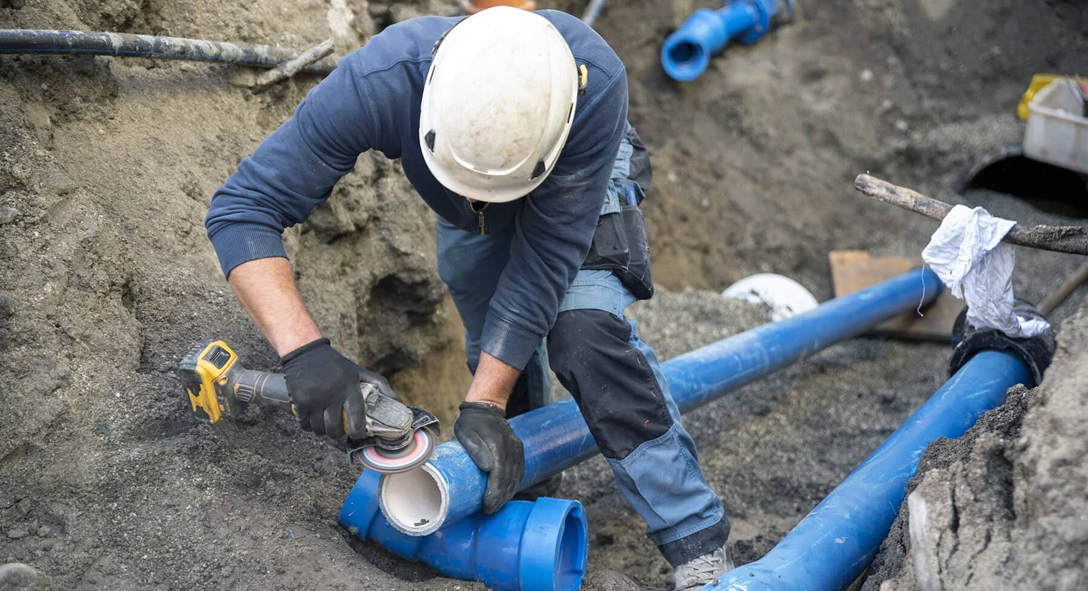
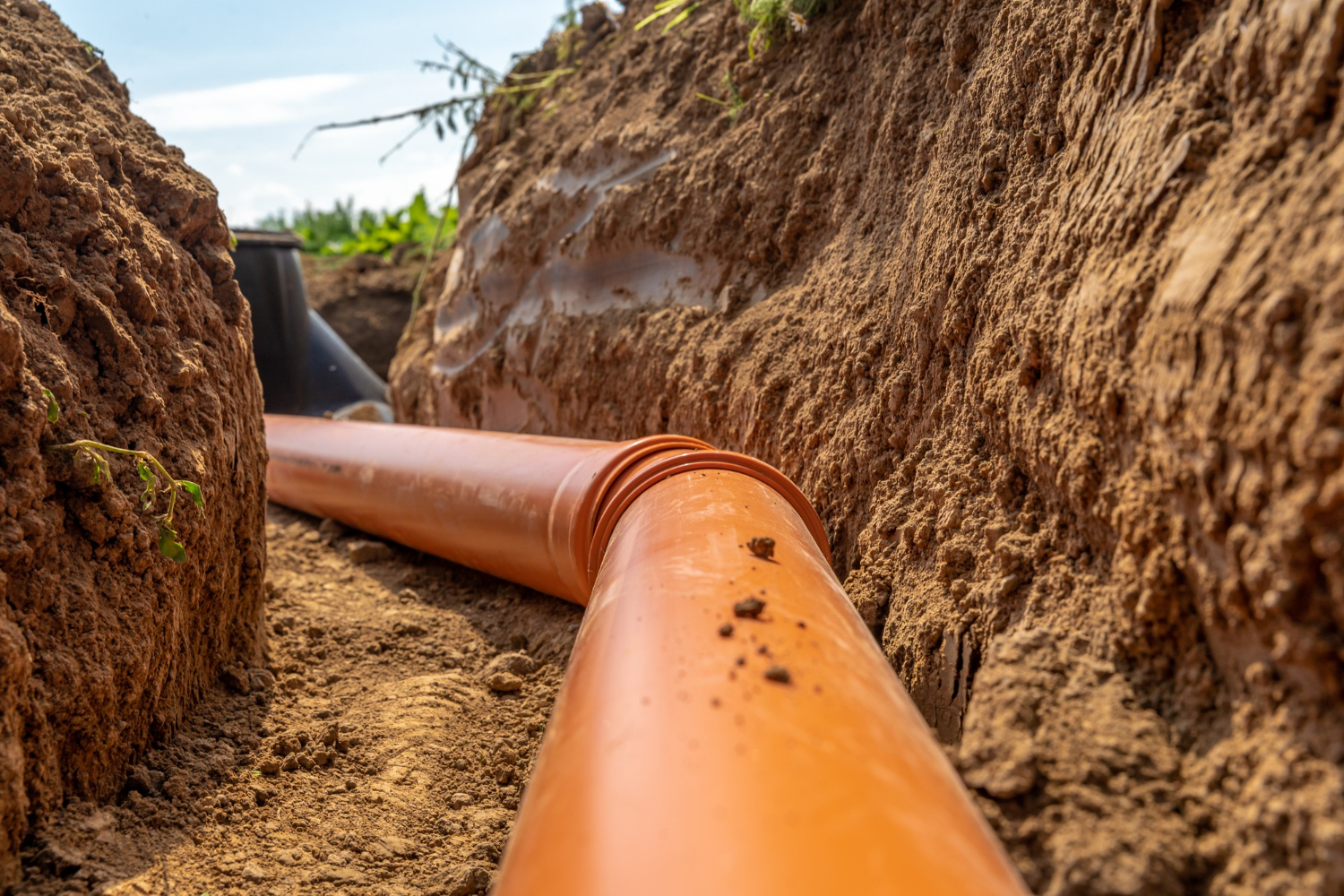
Sewer line replacement in Seattle refers to the open-cut excavation and removal of a failing side sewer lateral, followed by installation of new pipe at the correct depth and slope, from the building connection to the public main. It is the appropriate response when pipe condition has deteriorated past the point where lining, patching, or cleaning can deliver a reliable repair.
Replacement usually enters the conversation after the pipe stops being trustworthy
A pipe that has required three repairs in four years, or that keeps failing at new points after each fix, has crossed a threshold. The individual repairs were each technically correct. But the pipe as a system is no longer reliable, and the cumulative cost of continuing to treat it section by section is approaching or exceeding the cost of addressing it once.
Repeated repairs can cost more than fixing the full failed run
A spot patch at one defect is appropriate when the rest of the pipe is sound. When the camera shows sound pipe on either side of the repair, that judgment holds. When the rest of the pipe is also deteriorating, the spot patch is a loan against future repairs, not a solution.
The math changes when a homeowner has paid for two or three spot repairs in quick succession, or when the camera after the most recent repair shows additional defects nearby that will need attention soon. At that point, the total cost of the repair history plus anticipated future repairs often exceeds what a single complete replacement would have cost. The sewer pipe replacements conversation is not always about a catastrophic failure. Sometimes it is the most economical response to a pipe that has been repaired past the point of diminishing returns.
Collapsed pipe leaves no reliable path for sewage to move
A pipe that has lost structural integrity and collapsed inward has no rehabilitable interior. A liner cannot be inserted because there is no continuous channel to insert it through. Hydro jetting cannot restore flow because there is no pipe to restore. Cleaning equipment driven into a collapsed section can worsen the blockage or dislodge debris in ways that accelerate the failure.
Collapse is the clearest indicator that replacement is the only path forward for the affected section. The camera footage will show a section where the pipe diameter narrows to nothing, or where the camera cannot pass at all, which is itself a diagnostic finding. Any repair recommendation for a collapsed section that does not involve excavation and pipe removal is not a complete recommendation.
Severe offsets and bellies can make cleaning a short-term reset
A belly that occupies more than 50 percent of the pipe diameter does not respond to cleaning in any durable way. Solids settle at the low point faster than normal flow carries them away, regardless of how well the upstream pipe was jetted. According to Seattle Public Utilities, a belly of that severity is a high-probability backup risk that warrants structural correction, not continued maintenance.
A severe joint offset presents the same problem from a different direction: the step created by the offset catches solids, prevents liner insertion, and in extreme cases prevents inspection equipment from passing at all. Jetting the pipe to clear the immediate accumulation is a temporary measure. Correcting the slope or the offset requires excavating the affected section, re-grading the run, and installing pipe at the correct alignment.
Repair, lining, and replacement are not interchangeable fixes
Each method addresses a specific range of pipe conditions. Using the wrong method for the actual condition either fails to solve the problem or creates new problems that cost more to correct.
When to replace vs repair sewer lines depends on structure, not frustration
The decision to replace rather than repair should come from camera evidence, not from the homeowner’s frustration with recurring problems or the contractor’s preference for a higher-ticket job. The questions the camera answers are structural: Is the pipe intact enough to support a liner? Are the defects isolated or distributed? Is there continuous pipe material between the access point and the main, or are there sections with no recoverable structure?
A distributed pattern of failures, meaning cracks and root entry points at multiple joints across the full run, with pipe walls showing significant deterioration, is a structural finding that points toward rehabilitation or replacement of the full run. An isolated defect in otherwise sound pipe is a structural finding that points toward spot repair.
The distinction matters because replacement is disruptive, expensive, and permanent. It deserves to be chosen when it is the right answer, not when it is the easiest conversation.
Sewer line replacement vs lining comes down to pipe shape and access
CIPP lining requires a pipe that retains enough of its original shape to accept the liner, allow it to press against the full wall circumference during curing, and produce a bonded, continuous new surface when curing is complete. A pipe that has collapsed sections, severe offsets that cannot be navigated by the liner carrier, or a belly severe enough to pool standing water at the low point during liner installation is not a viable lining candidate for those sections.
Replacement installs new pipe at the correct slope, correct diameter, and correct alignment. It does not depend on the condition of the existing pipe because the existing pipe is removed. That is its advantage over lining in worst-case conditions: the result is independent of what was there before.
The practical approach for many Seattle side sewers is a combination. Sections that have collapsed or cannot be lined are replaced by open cut. Sections that retain adequate shape and no severe offsets are lined after the replacement sections restore continuity. The final repair is hybrid, and the estimate should reflect that clearly.
A camera report should show why a smaller fix will not hold
A recommendation for replacement should be grounded in specific findings, not general statements about pipe age or condition. The camera report that supports a replacement recommendation should identify the defect types present, their locations relative to known landmarks like the cleanout or the property line, their severity, and why each defect falls outside the range that patching or lining can reliably address.
A contractor who recommends full replacement on a pipe with one isolated break and no other findings has not justified the recommendation. A contractor who shows you footage of a collapsed mid-run section, two severe offsets that prevent liner passage, and a belly at the street connection has justified it. The camera report is the evidence, and the homeowner is entitled to see it before agreeing to anything.
Seattle replacement jobs often get complicated before the digging starts
Open-cut sewer replacement in Seattle involves more than digging a trench and laying pipe. The physical conditions of the property, the regulatory requirements of the city, and the location of the defect relative to public infrastructure all shape what the job actually requires.
Depth, slope, and property layout affect the repair plan
Side sewer connections in Seattle range from two feet below grade near the foundation to eight or more feet below grade at the connection to the public main. A lateral on a steep lot in Magnolia or Beacon Hill may change depth by six feet over its full length. That depth gradient affects excavation requirements, shoring needs, and the equipment required to work safely.
A line that runs under a deck, a fence line, or a garage slab presents additional challenges. In some cases the obstruction can be avoided by adjusting the route of the new pipe. In others, the structure must be partially removed and restored as part of the job. These conditions should be identified and addressed in the scope before work begins, not discovered mid-excavation.
Sidewalks, driveways, and retaining walls can change the method
A sewer line that passes under a concrete driveway between the foundation and the main adds concrete cutting, concrete removal, backfill compaction, and concrete restoration to the scope of a replacement job. Each of those is a distinct cost that belongs in the estimate.
A line that passes near or under a retaining wall introduces structural considerations: excavating adjacent to a retaining wall requires shoring, and in some cases the wall needs to be assessed for stability before work begins. Trenchless sewer repair methods can sometimes eliminate the need to cross under these obstacles, and in hybrid repair scenarios, using trenchless methods where the pipe is viable and open cut only where replacement is required can reduce the total disruption significantly.
Permits and inspection should be part of the contractor’s process
Side sewer replacement in Seattle requires a permit from Seattle Public Utilities before work begins. The permit triggers a city inspection before backfill, which means the trench must remain open until an SPU inspector signs off on the installed pipe. For work that extends into the right-of-way, a separate right-of-way permit is required, along with traffic control if the work area affects a travel lane or alley.
A contractor who is a registered side sewer contractor with the City of Seattle handles this permitting process routinely. It should not be handed to the homeowner to manage, and it should not be treated as optional. Work performed without a permit leaves the homeowner exposed at resale, when permit records are reviewed and unpermitted underground work becomes a disclosure problem.
Sewer pipe replacement cost in Seattle depends on what stands between the pipe and the surface
Replacement cost varies more than most homeowners expect, and the variation has almost nothing to do with the cost of the new pipe. The pipe is a small fraction of the total. Everything else is access, labor, permitting, and restoration.
A shallow yard line is different from a deep line under concrete
A forty-foot lateral at two to three feet of depth through open lawn requires a mini-excavator, a crew of two or three, and a single day of work under favorable conditions. The same lateral at six feet of depth under a concrete driveway requires a larger excavator, concrete cutting equipment, shoring materials, concrete disposal, and restoration work after inspection sign-off. The pipe in both cases is the same PVC at the same per-foot material cost. Everything else is different.
This is why a replacement estimate that quotes a per-foot price without specifying access conditions is not a complete estimate. The per-foot number is only meaningful when the full scope of what each foot involves is defined.
Restoration costs can matter as much as the pipe work itself
Surface restoration after open-cut replacement includes topsoil and seed or sod for lawn sections, concrete pour and finishing for driveway or sidewalk sections, asphalt patching for alley or street connections, and in some cases replanting or fence reinstallation where the trench crossed a landscaped area.
In Seattle, where SPU requires pavement restoration to specific compaction and surface standards for right-of-way work, concrete and asphalt restoration is not a minor add-on. It is a permitted, inspected deliverable that must meet city standards before the permit is closed. A free sewer estimate that does not specify what restoration is included leaves the homeowner exposed to a second contractor bill after the trench is backfilled.
Full sewer replacement Seattle estimates should spell out what is included
A complete replacement estimate should itemize, at minimum:
- Excavation scope, including depth, length, and equipment required
- Pipe material, diameter, and connection method at the building and at the main
- Permit fees for side sewer and right-of-way permits where applicable
- Traffic control costs if the work area involves a public travel lane
- Inspection coordination and who manages the SPU sign-off process
- Surface restoration by type, concrete, asphalt, lawn, or landscaping
- Warranty on materials and workmanship, specifying duration and what it covers
A bid that does not address all of these items is not covering the full scope of the job. Comparing two bids that each omit different line items is not a price comparison. It is a comparison of what each contractor chose not to show you.
A replacement should solve the failure, not just swap old pipe for new
A properly executed sewer line replacement does more than remove the failed pipe. It corrects the conditions that contributed to the failure and installs infrastructure that will serve the property reliably for decades.
The new line needs proper slope from the house to the connection
The minimum slope for a residential sewer lateral under the International Plumbing Code, which Washington State adopts by reference, is one-quarter inch of fall per linear foot for four-inch pipe and one-eighth inch per linear foot for six-inch and larger pipe. Maintaining that slope through changes in depth, around obstacles, and across a lot that may not be level requires careful planning and precise installation.
A replacement that restores the pipe but installs it at inadequate slope simply builds a new belly into the line. The material is new. The problem is not. Confirming that the post-installation camera shows consistent flow and no standing water at any point in the run is the verification step that confirms the slope was achieved.
Cleanouts should make future inspections and maintenance easier
Every replacement project is an opportunity to add or reposition cleanouts at locations that make the pipe accessible for future camera inspection and maintenance. A cleanout at the upstream end of the replaced section and another at the downstream end, near the property line or right-of-way connection, gives future contractors two access points that eliminate the need to introduce equipment through the building plumbing.
Sewer cleanout installation as part of a replacement scope adds minimal cost relative to the overall project and eliminates the access complications that make future inspections more difficult and expensive.
A strong contractor explains the route, materials, timeline, and cleanup
Before any replacement begins, you should be able to answer: What route will the new pipe follow and why? What material is being installed and what is its expected service life? How many days will the excavation be open? Who is responsible for each phase of restoration, and when will it be complete?
A contractor who cannot give specific answers to those questions has not completed the planning that a replacement project requires. A contractor who walks you through those decisions, explains the tradeoffs, and puts the answers in writing before work begins is one whose estimate reflects the actual scope of the job. The common mistakes when hiring a sewer repair company apply in full to replacement projects: the homeowner who does not ask those questions before signing is accepting uncertainty that could have been resolved in the estimate conversation.
Conclusion
Sewer line replacement is the right answer for a specific set of conditions: collapsed pipe, severe structural defects that cannot be rehabilitated by lining, repeated failures that have consumed the repair budget without resolving the underlying problem. It is not the right answer for every bad camera report, and it should not be recommended without the footage and findings that justify it.
When replacement is the correct call, the job deserves to be scoped, permitted, and executed to a standard that delivers decades of reliable service. The slope, the cleanout placement, the surface restoration, the SPU inspection, and the post-installation camera pass are all part of what a complete replacement means. A project that skips any of those steps is not a complete project, regardless of whether the new pipe is in the ground.
If you have received a camera report indicating conditions that may be beyond repair, or if your sewer line has a history that makes you question whether the next fix will hold, contact Seattle Select Sewers for an honest assessment of whether replacement is warranted and what it would actually involve for your property.