A failing sewer system does not announce itself all at once. It sends signals, sometimes for months, that most homeowners dismiss as minor inconveniences. A drain that seems a little sluggish. A faint smell near the basement floor drain that comes and goes. A toilet that gurgles once and then stops. By the time these small signals escalate into a backup or a collapsed pipe, the repair is bigger, more expensive, and more disruptive than it ever needed to be. Knowing the signs your sewer system is failing in Burien gives you the chance to act early, while the fix is still manageable.
Burien is a city where the infrastructure underground is significantly older than many residents realize. According to Burien Magazine, an official city publication, 85 percent of Burien’s housing was built before 1980, and 45 percent was built before 1960. That means the sewer laterals under the majority of homes in the city are 45 to 80 years old, built from materials that were never designed to last this long.
The sewer system beneath your home does not care what you have done to the kitchen or the landscaping above it. It is aging on its own schedule, and the only way to know where it stands is to pay attention to the signs it sends and confirm them with a professional inspection. This article covers what those signs look like, what they mean, and what to do about them before a manageable problem becomes an emergency.
In this article, you will learn about:
- Why so many Burien homes are sitting on sewer systems that are ready to fail
- The indoor signs that tell you something is going wrong underground
- The outdoor signs your yard is trying to show you
- What happens inside the pipe when these signs go ignored
- Getting a clear answer with a camera inspection
- The repairs that match each stage of failure
Keep reading to learn how to recognize a failing sewer line while there is still time to fix it on your terms.
Why so many Burien homes are sitting on sewer systems that are ready to fail
Burien’s sewer problem is not a mystery. It is a math problem. The pipes were installed decades ago, the materials have a finite lifespan, and the clock is running out on a large portion of the city’s underground infrastructure.
A housing stock that goes back to the 1940s, with pipes that went in at the same time
Burien’s development accelerated after World War II, and the homes that were built between the late 1940s and the 1970s defined the residential character of the city. Those homes came with sewer laterals made from the standard materials of the era:
- Vitrified clay in the earliest homes, installed in short segments with mortar joints that degrade over decades
- Cast iron in mid-century construction, which corrodes from the inside and narrows over time
- Orangeburg in some lower-cost developments, a tar-paper pipe with a maximum useful life of roughly 30 to 50 years
- Concrete in some installations, which erodes internally until the aggregate is exposed and the pipe loses structural integrity
Every one of these materials is now at or past the end of its expected service life in the oldest parts of the city. Even the most recent pre-1980 pipes are pushing 45 years in the ground.
The sewer district that has been managing this infrastructure since World War II
Burien’s sewer service is provided by multiple districts, and the largest, the Southwest Suburban Sewer District, was established in 1945 specifically to operate and maintain sewer infrastructure that the federal government had installed during World War II. The district now covers roughly 10 square miles serving Burien, Normandy Park, portions of Seattle, and surrounding areas.
That origin story matters because it means the foundational sewer infrastructure in parts of Burien predates the postwar housing boom. Some of the pipes in the ground are not just 50 or 60 years old. They trace back to wartime construction, and the private laterals connected to that system have been aging alongside it.
Root intrusion, wet soil, and a pipe that gets weaker every year it goes without attention
Burien’s mature tree canopy, including street trees and established yard plantings across every neighborhood, creates a constant root pressure on underground pipes. Roots seek moisture, and an aging pipe with a loose joint or a hairline crack leaks just enough to attract them. Once inside, roots grow steadily, trapping waste and widening the opening they entered through.
The EPA’s Clean Watersheds Needs Survey found that the nation needs at least $630 billion over the next 20 years for wastewater and stormwater infrastructure. That number reflects the national scale of the aging pipe problem, but the effects are felt locally, in cities like Burien where individual homeowners bear the cost of maintaining their own side sewer while the system around them continues to age.
The indoor signs that tell you something is going wrong underground
A failing sewer line almost always announces itself inside the house first. The trick is recognizing these signs for what they are instead of writing them off as quirks.
When your drains slow down together instead of one at a time
A single slow drain is usually a clog in that fixture’s branch line, something a plunger or a hand snake can address. But when the kitchen sink, a bathroom shower, and the basement floor drain are all draining slowly at the same time, the problem is further downstream in the main sewer line. That shared symptom means something is restricting flow in the one pipe that all of your fixtures empty into.
The lowest fixtures in the house, floor drains, basement sinks, and ground-level bathtubs, tend to show this symptom first because they sit closest to the main line. If your basement drain slows down or backs up slightly every time you run a load of laundry, the main line is trying to tell you something.
Gurgling and bubbling that happen when you are not using that fixture
Air trapped behind a partial blockage in the sewer line has to escape somewhere, and it pushes backward through the water sitting in your fixture traps. The result is a gurgling or bubbling sound that can show up in unexpected places:
- A toilet that gurgles when you drain the bathtub on the same floor
- A floor drain that bubbles when the dishwasher cycles
- A kitchen sink that makes noise when a toilet in another bathroom flushes
These cross-fixture symptoms point to a main line restriction. The more consistent the sounds, the more significant the obstruction.
A sewage smell that shows up near drains and will not go away
A properly functioning sewer line is a sealed system. Gases vent through the roof stack, wastewater flows out, and nothing comes back into the living space. When you start noticing a sulfur or rotten-egg smell from a floor drain, a bathroom, or near the foundation, the seal is compromised somewhere. Either a crack or an open joint is releasing gas into the surrounding soil, or a blockage is forcing sewer gas backward through the system.
If the odor appears during wet weather and fades when it dries out, groundwater is likely entering the pipe through a damaged section and disrupting the flow pattern. In a climate as rainy as Burien’s, that seasonal pattern is common and worth investigating.
Backups in the lowest part of the house, even small ones
A backup does not have to fill the basement to be significant. Even a small amount of water rising through a floor drain or a ground-level shower after heavy water use is a sign that the main line cannot keep up with the demand. These minor backups often clear on their own as water slowly pushes past the obstruction, which makes them easy to dismiss.
Do not dismiss them. A self-clearing backup means the blockage is partial today. Tomorrow, next week, or next month, it progresses to a complete blockage, and the backup stops clearing on its own.
The outdoor signs your yard is trying to show you
Your yard sits directly above the pipe running from your house to the street, and it reflects what is happening underground more than most homeowners realize.
A patch of grass that looks too good compared to the rest of the lawn
An unusually green, lush, or tall section of grass in one specific area of the yard, especially along the path your sewer line takes to the street, may be getting nutrients from a leaking pipe below. Wastewater is rich in nitrogen and organic material, and when it seeps into the soil through a crack or open joint, the vegetation directly above responds.
This sign is easy to overlook because it looks like a good thing. A healthy patch of grass feels like a win until you realize it is being fertilized by sewage.
Soft, soggy, or sunken ground along the sewer line path
When a pipe cracks or separates underground, soil can wash into the line or erode away from around it. Over time, this creates voids beneath the surface that settle into visible depressions or soft, spongy areas in the yard. If the ground feels wet or unstable in a specific strip between your house and the street, especially during dry weather, wastewater may be saturating the soil from below.
Sunken areas that line up with the sewer path are particularly telling. They may appear gradually, which makes them easy to attribute to normal settling, but the location is rarely a coincidence.
Pests showing up where they did not used to be
Rodents and insects are drawn to the moisture and organic material that escapes from a damaged sewer pipe. A sudden increase in pest activity near the foundation, in the yard along the sewer line, or in the basement can indicate a compromised pipe underground. Rats can actually enter homes through broken sewer pipes, traveling through the line and emerging through drains. If pest activity coincides with any of the other signs on this list, the sewer line should be the first thing you investigate.
What happens inside the pipe when these signs go ignored
Every warning sign on this list is a symptom of a process that is already underway inside the pipe. Understanding that process explains why waiting makes everything worse.
A partial blockage that quietly becomes a complete one
A root tendril catches toilet paper. Grease coats the rough interior of a corroded pipe. Debris accumulates behind a sag where the pipe has lost its slope. The obstruction grows gradually, and for a while the pipe still moves enough water to avoid a full backup. But the margin shrinks with every passing month until a peak-use moment, a holiday dinner, a full house over the weekend, a heavy rainstorm, pushes the system past what the narrowed pipe can handle.
Cracks that let roots in, and roots that make the cracks worse
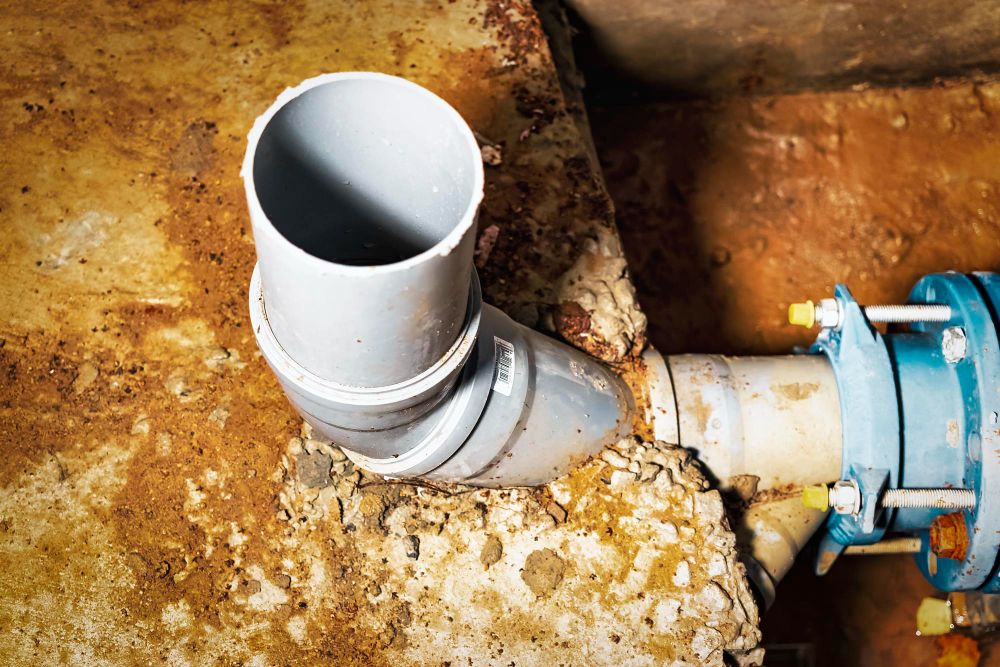
Root intrusion and pipe damage feed each other in a cycle that accelerates over time. A small crack or loose joint lets moisture seep into the soil. Roots find it and grow into the pipe. The expanding roots widen the crack, which lets more roots in and allows soil to infiltrate the line. Left alone, this cycle progresses from a minor flow restriction to a structural failure that requires far more extensive repair.
The point where repair becomes replacement
A pipe with early-stage cracks, minor root entry, or moderate corrosion can almost always be repaired with trenchless methods that preserve the yard and cost a fraction of a full replacement. But once the damage progresses to multiple collapses, severe misalignment, or total structural failure, lining is no longer an option, and the repair becomes a full excavation and replacement. The difference between catching the problem early and catching it late can be tens of thousands of dollars.
Getting a clear answer with a camera inspection
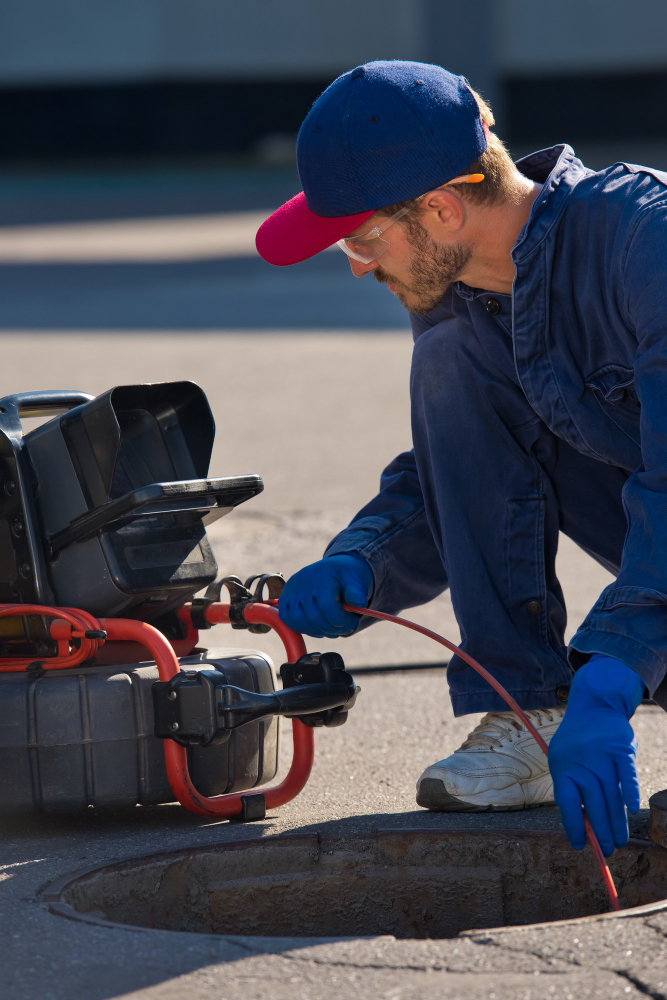
The only way to confirm what is happening inside your pipe is to look. A sewer camera inspection removes every assumption and replaces it with documented evidence.
What the camera sees that you never could from the surface
A high-definition camera on a flexible cable travels through the full length of the line, transmitting live footage of the pipe’s interior. The technician can identify root intrusion, cracks, corrosion, joint separation, sags, grease buildup, and collapsed sections, all with their exact location documented. This footage is the foundation for every repair decision that follows, and it ensures you are not paying for work the pipe does not need or skipping work that it does.
Using the results to choose the right repair at the right time
The inspection report puts you in control. A pipe in good condition gives you peace of mind and a baseline for future inspections. Early-stage issues like minor root entry or light buildup can be managed with periodic maintenance and follow-up scoping. Significant damage, whether it is widespread cracks, heavy root intrusion, or a section that has started to collapse, gets matched to the right repair while trenchless options are still on the table.
The repairs that match each stage of failure
A failing sewer line does not have a one-size-fits-all fix. The right repair depends on what the camera found and how far the deterioration has progressed.
Hydro jetting to restore flow in a pipe that still has life left
When the pipe is structurally sound but partially blocked by roots, grease, or debris, hydro jetting clears the full diameter of the line with high-pressure water. Unlike snaking, which punches a narrow hole through the obstruction, jetting removes the material entirely and restores the pipe to its full capacity. A follow-up camera pass confirms the pipe walls are intact and the flow path is clear.
Trenchless lining to seal the damage and keep the pipe in service
If the camera shows cracks, root entry at multiple joints, or corrosion that will continue to worsen, clearing the line is a temporary measure. Trenchless pipe lining creates a seamless new pipe inside the old one by inserting a resin-coated liner and curing it in place. The liner seals every crack and joint, blocks root re-entry, and gives the line decades of new life without tearing up the yard. For Burien homeowners on established lots with mature landscaping and paved driveways, this approach avoids thousands of dollars in restoration costs.
Full replacement when the system has reached the end of the road
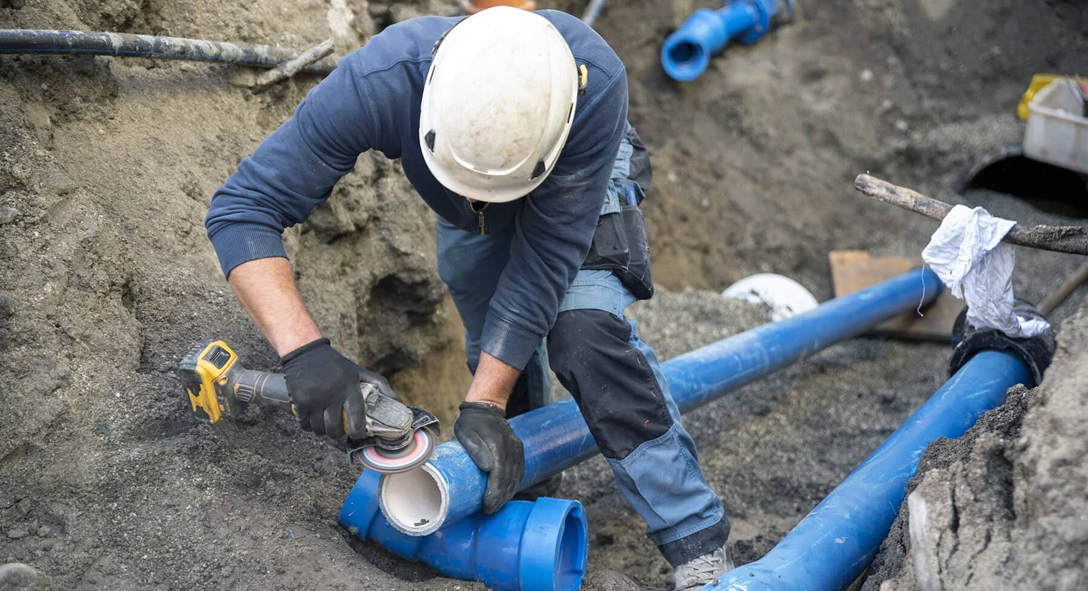
When the pipe has collapsed, sagged beyond correction, or deteriorated across its entire length, a full sewer line replacement is the permanent answer. Modern materials like HDPE and PVC are fused or sealed at every connection, making them highly resistant to the root intrusion and corrosion that brought down the original pipe. A spot repair is also an option when the damage is isolated to one section and the rest of the line is still serviceable.
Conclusion
Every sign on this list, the slow drains, the smells, the gurgling, the soggy patch in the yard, represents a pipe that is actively losing ground. None of these symptoms reverse themselves, and every day they continue, the damage progresses and the repair options narrow. The homeowners who avoid the worst outcomes are the ones who treat these signs as what they are: a deadline, not a suggestion.
If your Burien home was built before 1980 and the sewer line has never been inspected, you are operating on borrowed time, and the good news is that a single camera inspection tells you exactly where that clock stands. If the pipe is sound, you get confirmation and peace of mind. If it is not, you catch the problem while the repair is still manageable, affordable, and far less disruptive than the emergency alternative.
Seattle Select Sewers works exclusively on sewer systems across the greater Seattle area, including Burien and the surrounding South King County communities. Their team can scope your line, show you the footage, and give you a straight recommendation based on what the camera actually reveals. Reach out to schedule an inspection and find out where your sewer system stands before it decides for you.