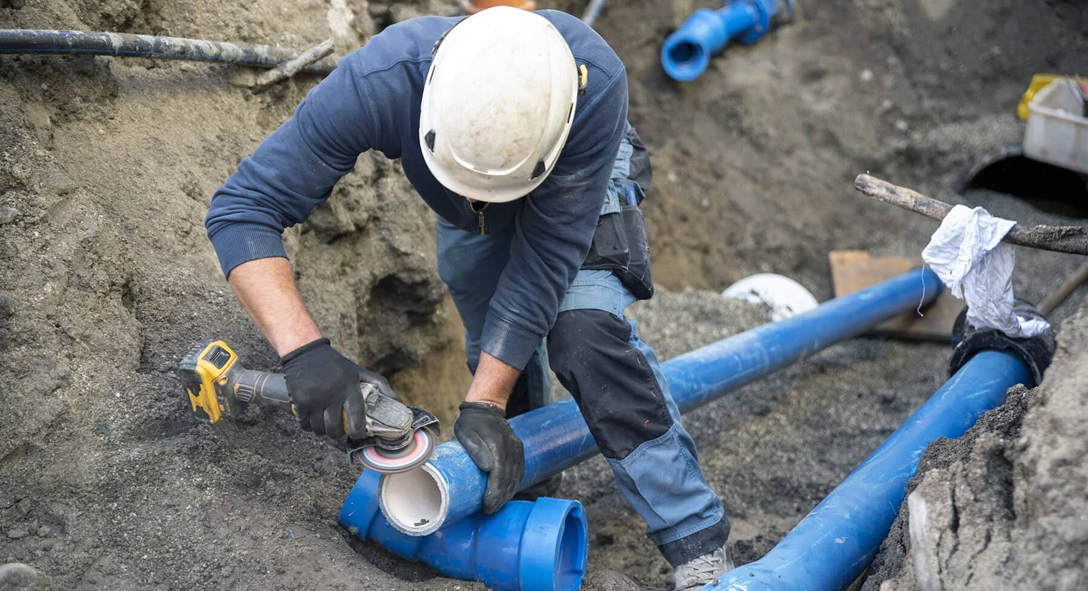
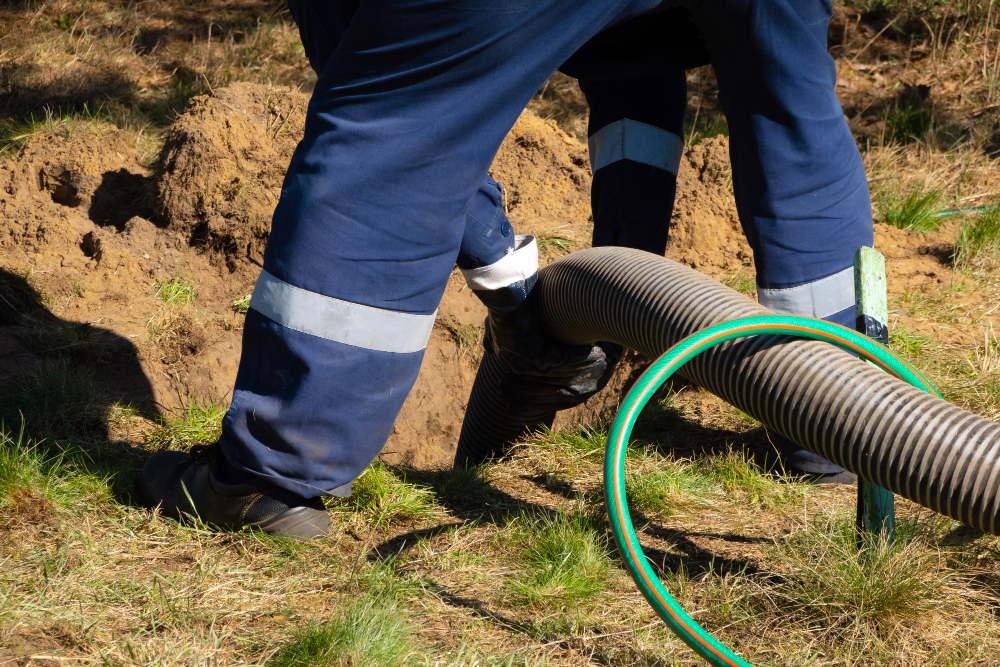
Sewer problems never happen at a convenient time. A small clog or slow drain might seem like a minor issue you can ignore, but these early warning signs often point to bigger problems developing in your sewer lines. In Bothell, where many homes have aging sewer systems and tree roots constantly seek out moisture in pipes, waiting for a full backup can lead to expensive repairs and property damage.
Preventative sewer maintenance helps you catch issues early through regular inspections and cleaning, saving you from costly emergency repairs and protecting your home from sewage backups. Most homeowners only think about their sewer system when something goes wrong, but a proactive approach makes more sense. Regular maintenance keeps your drains flowing smoothly and gives you peace of mind.
Scheduling preventative sewer maintenance in Bothell WA before summer demand peaks gives your system the best chance of handling increased usage, dry soil shifts, and fall storm surges without failure. Whether your home has decades-old clay pipes or newer PVC lines, understanding what threatens your sewer system and how to protect it starts with a clear plan.
This article explains how small problems grow into major headaches, what professional inspections can find before they become emergencies, and how preventative care saves you money over time. Here’s what you’ll find below:
In this article, you will learn about:
- How small sewer concerns escalate
- Benefits of scheduling regular maintenance
- Importance of thorough sewer inspections
- Key summer challenges for Bothell sewer systems
- Cost savings with preventative strategies
Keep reading to find out how routine sewer care protects your Bothell home from unexpected backups, extends the life of your pipes, and saves you thousands in avoidable repair costs.
How small sewer concerns escalate
Small problems in your sewer system don’t stay small for long. What starts as a minor slow drain can quickly turn into a complete blockage or even a sewage backup in your home.
How minor buildup leads to major blockages over time
Your sewer pipes accumulate debris slowly and steadily. Every time you wash dishes, shower, or flush the toilet, small amounts of grease, soap residue, hair, and other materials stick to the pipe walls.
A thin layer of buildup might only slow your drainage by a few seconds at first. Over weeks and months, this layer gets thicker. The opening in your pipe becomes narrower.
Grease is especially problematic because it hardens as it cools. It catches other debris passing through your pipes. Hair wraps around small obstructions and creates nets that trap more material. According to the EPA, fats, oils, grease, and improperly flushed household products are among the leading causes of sewer line blockages, while improper or inadequate maintenance and cleaning of sewers ranks as another top contributor to system failures nationwide.
Tree roots seek out moisture and nutrients in sewer lines. They enter through tiny cracks or joints. Once inside, roots grow rapidly and create dense blockages that standard drain cleaners can’t remove.
The buildup process accelerates over time. A pipe that’s 25% blocked becomes 50% blocked much faster than it took to reach that initial quarter blockage.
Early warning signs homeowners often miss
Slow drains are the most common early indicator of sewer problems. You might notice water pooling around your feet in the shower or the kitchen sink taking longer to empty. Many homeowners ignore these signs because the water still eventually drains.
Gurgling sounds from your drains or toilets signal air trapped in your sewer line. This happens when blockages prevent proper venting. The sound often occurs when you run water in one fixture and hear bubbling from another.
Common warning signs include:
- Multiple drains backing up at once
- Sewage odors near drains or in your yard
- Patches of extra-green grass over your sewer line
- Cracks in your foundation or settling around your property
- Frequent need for drain cleaning
Water backing up into your basement floor drain indicates a serious blockage in your main sewer line. This often happens when you run the washing machine or flush toilets.
Why sewer issues rarely fix themselves
Sewer problems operate on a cycle of deterioration. Blockages trap more debris, making the obstruction larger. Cracks in pipes allow soil and tree roots to enter, which expands the damage.
Chemical drain cleaners provide temporary relief but don’t address the root cause. They can also corrode your pipes over time, creating new problems. The blockage typically returns within days or weeks.
Water pressure and gravity work against your pipes constantly. A small crack under this pressure will widen. Residential sewer maintenance services prevent these minor issues from becoming emergencies.
Temperature changes cause pipes to expand and contract. This movement can worsen existing damage or create new weak points. Older pipes made from clay or cast iron are especially vulnerable to this stress.
Benefits of scheduling regular maintenance
Regular sewer maintenance services protect your property by addressing problems before they turn into expensive repairs. These services reduce strain on your plumbing system, prevent blockages from building up, and ensure all your drains work as they should.
Cleaning buildup before it restricts flow
Grease, soap residue, and mineral deposits stick to the inside of your sewer pipes over time. These substances create layers that narrow the pipe opening and slow down drainage. Professional sewer line cleaning removes this buildup before it restricts water flow completely.
Routine cleaning keeps your pipes clear and prevents the kind of blockages that lead to backups in your home. A technician uses specialized equipment to scrub away the accumulated material from your pipe walls. This process restores your pipes to their full diameter and allows waste to move freely through your system.
When you schedule regular cleanings, you avoid the sudden clogs that cause toilets to overflow or sinks to back up. Your drains empty faster and more reliably. The cleaning also removes tree roots that may have started growing into small cracks in your sewer lines.
Reducing strain on aging sewer lines
Older sewer pipes develop weak spots and small cracks as they age. Built-up pressure from clogs forces these weak areas to expand and eventually break. Regular maintenance identifies these vulnerable sections before they fail completely.
Professional inspections use camera technology to examine the inside of your pipes. The camera shows exactly where your pipes have thinned, cracked, or shifted. Technicians can then repair minor damage with targeted fixes instead of replacing entire sections.
Scheduled maintenance also prevents the sudden pressure spikes that damage aging pipes. When your lines stay clear, water flows smoothly without creating the kind of backup pressure that cracks old pipe materials. According to the EPA’s New England regional office, effective preventive maintenance programs have been shown to significantly reduce the frequency and volume of untreated sewage discharges from collection systems. This gentler operation extends the life of your existing sewer system by years.
Keeping multiple drains functioning properly
Every drain in your home connects to your main sewer line. When the main line develops a blockage, all your drains suffer. Showers drain slowly, toilets struggle to flush, and washing machines may overflow during their drain cycles.
Regular maintenance prevents these system-wide problems by keeping your main line clear. Your kitchen sink, bathroom drains, and laundry connections all work properly when the main line flows freely. You won’t experience the frustration of multiple backed-up fixtures at the same time.
Maintenance appointments also catch issues with individual drain connections before they affect your whole system. A technician can spot a partially blocked branch line and clear it during a routine visit. This proactive approach keeps every drain in your home working at full capacity.
Importance of thorough sewer inspections
Regular sewer inspections help you find problems early and avoid expensive repairs. Modern inspection methods show what’s happening inside your pipes so you can fix issues before they cause serious damage.
Using camera inspections to identify hidden issues
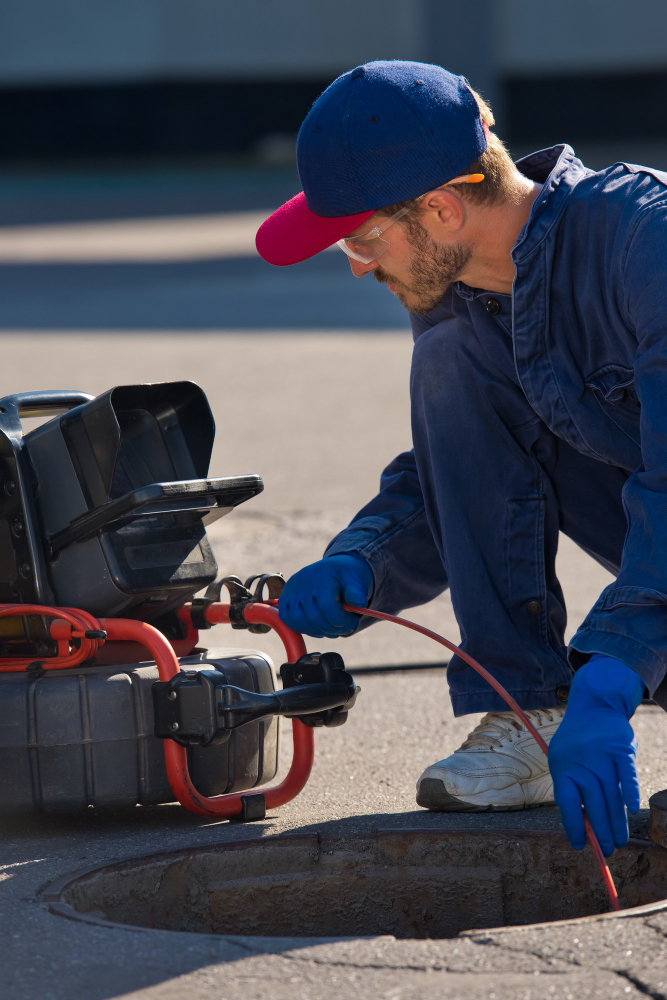
Camera inspections let plumbers see inside your sewer lines without digging up your yard. A small waterproof camera travels through your pipes and sends back real-time video of the pipe’s interior. This shows blockages, cracks, and other problems that you can’t see from above ground.
The camera reveals issues like grease buildup, debris accumulation, and early signs of pipe deterioration. You get a clear picture of your sewer system’s condition without guesswork. During a sewer inspection technicians can also locate the exact position of problems using the camera’s tracking equipment.
This technology saves you time and money by pinpointing issues before you start any work. You won’t need to dig up large sections of your property to find the source of a problem.
Detecting root intrusion before major damage occurs
Tree roots seek out water sources and can grow into your sewer pipes through small cracks or joints. Once inside, roots expand and create blockages that stop wastewater from flowing properly. Video inspections catch these intrusions in the early stages.
Small root tendrils are easier and cheaper to remove than large root masses that have been growing for years. When you spot roots early, you can clear them out before they crack your pipes or cause complete line failures.
Regular inspections also help you track root growth patterns near your sewer lines. This information lets you plan preventative treatments to keep roots from entering your pipes in the first place.
Evaluating pipe condition before failures develop
Sewer pipes don’t fail suddenly in most cases. They show warning signs like small cracks, corrosion, or sections that are starting to sag. Inspections reveal these early warning signs so you can plan repairs on your schedule instead of dealing with an emergency.
Older sewer systems need more frequent inspections because pipes break down over time. Materials like clay or cast iron can corrode, crack, or separate at the joints. Camera inspections show the exact condition of your pipes and help you decide if you need repairs or replacement.
You can also check if your pipes have proper slope for drainage. Sections that have settled or shifted may not drain correctly, which leads to clogs and backups. Finding these problems during routine inspections prevents sewage from backing up into your home.
Key summer challenges for Bothell sewer systems
Summer brings specific risks to sewer systems in Bothell that differ from winter concerns. Higher water use and drier soil conditions can strain infrastructure and reveal hidden problems that need attention before fall rains arrive.
Increased household usage during warmer months
Your sewer system works harder in summer when families use more water for activities like filling pools, watering lawns, and running sprinklers. Kids home from school take more showers, and outdoor entertaining means more dishes and laundry loads.
This increased water flow puts extra pressure on your sewer lines and connections. Higher volume means more stress on aging pipes and joints that might already have small cracks or weak spots.
Common summer usage issues include:
- Overloaded systems from guests and visitors
- Backed-up drains from sudden water volume spikes
- Stress on older pipe connections and seals
Your system may handle normal winter flows without problems but struggle when summer demand jumps significantly.
Dry conditions exposing underground weaknesses
Bothell’s summer weather creates unique problems beneath the ground. When soil dries out during warmer months, it shrinks and shifts away from sewer pipes. According to the Colorado Geological Survey, seasonal soil shrinkage and expansion inflict billions of dollars in damage to buildings, roads, and pipelines annually across the United States, more than twice the damage caused by floods, hurricanes, tornadoes, and earthquakes combined.
This soil movement can expose weak points in your underground lines. Clay pipes become more brittle in dry conditions. Joints that seemed stable in moist soil may separate slightly when surrounding earth pulls away.
Dry weather impacts:
- Soil shrinkage creating gaps around pipes
- Increased pipe movement and joint separation
- Tree roots seeking water sources near sewer lines
The lack of moisture also makes roots more aggressive. Trees and shrubs send roots toward any water source, including small leaks in your sewer lines.
Preparing systems before heavy seasonal demand
Late summer is the right time to inspect and maintain your sewer system. Checking your lines now prevents problems during fall storms when Bothell gets heavy rain.
A professional inspection can find cracks, root intrusion, or buildup before they cause backups. Camera inspections show the inside condition of your pipes without digging.
Pre-season maintenance steps:
- Schedule video inspection of main sewer lines
- Clean out accumulated debris and minor blockages
- Repair small cracks before they worsen
- Remove root growth near pipe connections
Addressing these issues in summer costs less than emergency repairs during winter flooding. Your system will handle increased fall and winter flows better when summer maintenance removes existing stress points.
Cost savings with preventative strategies
Regular sewer maintenance in Bothell can save you thousands of dollars by catching problems early and keeping your system running efficiently. The money you spend on routine care is far less than what you’ll pay for emergency repairs or full replacements.
Avoiding emergency sewer line replacements
Emergency sewer line replacements typically cost between $6,500 and $18,000 for a standard home. These unexpected expenses can strain your budget and disrupt your daily life. When you invest in preventive sewer repair, you catch issues like small cracks, root intrusions, or pipe deterioration before they escalate.
Regular inspections and cleaning help identify problems when repairs still cost a few hundred dollars instead of several thousand. A routine maintenance visit might cost $500 to $2,000, but it protects you from the full replacement price tag.
Most major sewer failures start as minor issues that go unnoticed for months or years. By the time you notice sewage backing up into your home, the damage requires extensive and costly repairs.
Extending the lifespan of underground infrastructure
Your sewer pipes should last for decades with proper care. Regular cleaning removes debris and buildup that corrodes pipes from the inside. Hydro jetting maintenance clears out grease, roots, and other blockages before they cause permanent damage.
Preventative maintenance can add 10 to 20 years to your sewer system’s lifespan. This delayed replacement saves you the cost of new pipes and installation labor.
Bothell’s climate brings rain and ground movement that stress underground pipes. Routine inspections help you spot shifting or settling that affects your lines. Addressing these issues early prevents premature system failure.
Planning maintenance instead of reacting to failures
Scheduled maintenance lets you budget for sewer care instead of facing surprise repair bills. You can plan annual or bi-annual services that fit your financial calendar.
Predictable costs make home ownership more manageable. You know when maintenance is due and can set aside money accordingly.
Emergency repairs often come with premium pricing for after-hours service calls. When you maintain your system regularly, you avoid these inflated costs. You also prevent the secondary expenses that come with sewer backups, like water damage repairs, temporary housing, or ruined belongings.
Regular maintenance schedules also give you better control over timing. You can arrange services during convenient periods rather than dealing with urgent problems during holidays or busy work seasons.
Conclusion
Taking care of your sewer system protects your Bothell home from expensive repairs and messy backups. Regular maintenance keeps your pipes clear and working properly for years to come.
You should schedule professional inspections every 1 to 2 years to catch problems early. These checkups help find tree root intrusion, aging pipes, and blockages before they cause serious damage. Many Bothell homes have sewer lines that are 30 to 50 years old, which makes regular inspections even more important.
Your sewer system needs attention based on its age, material, and location. Older clay, Orangeburg, or cast iron pipes break down faster than newer materials. A professional can tell you exactly how often your specific system needs maintenance.
Preventative care costs less than emergency repairs. When you invest in routine maintenance, you avoid the stress and expense of sudden sewer failures. You also protect your property value and keep your household running smoothly.
When your Bothell home needs preventative sewer maintenance, camera inspections, or professional line cleaning, Seattle Select Sewers provides the expertise and equipment to keep your system running smoothly year-round.