Commercial buildings in Seattle face unique sewer system challenges that can disrupt daily operations and impact your bottom line. A commercial sewer inspection uses advanced camera technology to identify blockages, pipe damage, and structural issues before they turn into costly emergencies. Regular inspections help you understand what’s happening inside your pipes without the need for disruptive digging.
Your business depends on a functioning plumbing system. When sewer problems arise, they can shut down operations, create health hazards, and lead to expensive repairs. Commercial properties handle much higher usage than residential buildings, which puts extra strain on sewer lines and increases the risk of failures.
Scheduling a commercial sewer inspection in Seattle WA gives you a clear, real-time view of your system’s condition before small issues escalate into full shutdowns. Whether you run a restaurant, manage an office building, or operate an industrial facility, understanding the state of your sewer lines is the foundation of reliable operations and long-term cost control.
This guide breaks down the specific risks commercial properties face, how video technology detects hidden damage, and what proactive maintenance looks like in practice. Here’s what you’ll find below:
In this article, you will learn about:
- Sewer challenges impact business operations
- Commercial plumbing systems experience elevated demand
- Video inspections enable accurate issue detection
- Preventative assessments reduce emergency costs
- Expert services support business continuity
Keep reading to find out how regular inspections protect your Seattle business from unexpected sewer failures, reduce repair costs, and keep your operations running without interruption.
Sewer challenges impact business operations
Sewer problems create immediate disruptions that affect your staff, customers, and bottom line, making regular business sewer inspection services essential for avoiding costly emergencies.
How sewer problems affect employees, customers, and tenants
When sewer lines fail in your commercial property, employees face unpleasant working conditions that reduce productivity. Foul odors, backed-up drains, and unusable restrooms force staff to leave their workstations or work in uncomfortable environments.
Your customers notice these problems immediately. Restaurants, retail stores, and office buildings with visible drainage issues lose credibility and business. Tenants in commercial buildings may break leases or demand rent reductions when sewer problems persist.
Common workplace impacts include:
- Closed restrooms forcing employees to leave the premises
- Health code violations in food service establishments
- Unpleasant smells that drive customers away
- Water damage affecting inventory and equipment
The financial impact of unexpected plumbing downtime
Emergency sewer repairs cost significantly more than scheduled maintenance. You pay premium rates for after-hours service, rush repairs, and emergency equipment rental when problems arise without warning.
Lost revenue adds up quickly during sewer-related closures. A restaurant shutting down for even one day loses thousands in sales. Retail locations send customers to competitors. Office buildings cannot operate without functional plumbing.
Property damage from sewer backups extends costs beyond the initial repair. You may need to replace flooring, drywall, and damaged merchandise. Business interruption claims increase insurance premiums for future coverage.
Why early detection is critical for business continuity
Business sewer inspection services identify small problems before they become major failures. Camera inspections reveal cracks, blockages, and root intrusion while your systems still function normally.
Scheduled inspections let you plan repairs during slow business periods. You avoid closing during peak hours or busy seasons when revenue matters most.
Early detection prevents cascading failures that shut down entire buildings. A small crack becomes a complete collapse. Minor tree root growth turns into a total blockage. Regular inspections catch these issues when repairs are simpler and less expensive.
Commercial plumbing systems experience elevated demand
Commercial properties push their sewer systems harder than residential buildings, handling higher volumes of wastewater throughout longer operating hours. The unique demands of business operations create specific failure points that require specialized inspection approaches.
Increased wastewater flow in restaurants, offices, and facilities
Commercial buildings process significantly more wastewater than homes. According to the U.S. Environmental Protection Agency, the average restaurant uses roughly 300,000 gallons of water per year, placing sustained high-volume demand on drain lines and sewer connections that residential systems never face.
Your sewer system faces continuous stress during peak business hours. Restaurants deal with grease-laden water from kitchens, while manufacturing facilities discharge industrial wastewater that carries different contaminants. This constant flow doesn’t allow pipes the recovery time that residential systems get overnight.
The volume alone creates problems. When your facility operates 10 to 16 hours per day, six or seven days per week, the cumulative wear accelerates pipe degradation. High-traffic facilities like hotels and hospitals run 24/7, pushing their sewer infrastructure to maximum capacity without breaks.
Why commercial pipes fail differently than residential systems
Your commercial pipes handle different materials than home plumbing. Grease accumulation in restaurant lines creates blockages that residential systems rarely see. Chemical cleaners, sanitizers, and industrial processes introduce corrosive substances that eat away at pipe walls faster.
Commercial systems use larger diameter pipes with longer horizontal runs. These configurations create different flow dynamics where solid waste settles more easily. Scale buildup and corrosion happen at different rates based on what your business discharges.
Temperature fluctuations stress commercial pipes differently too. Kitchen discharge alternates between hot water and cold, causing expansion and contraction that weakens joints. Industrial sewer inspection services often find failures at connection points where this thermal stress concentrates.
Many commercial properties in Seattle still operate with outdated materials like galvanized steel or clay pipes. These older systems weren’t designed for modern business demands and show corrosion, cracks, and structural weakness under current loads. Data from the U.S. Energy Information Administration shows that large commercial buildings consume an average of 22,000 gallons of water per day, placing continuous strain on aging sewer infrastructure that was often installed decades ago.
Common high-risk areas in business sewer systems
Your main sewer line connection represents a critical failure point. Tree roots infiltrate joints and cracks in this section, especially in older commercial properties where pipes sit shallow or lack proper protection.
Kitchen areas need frequent attention. The main drain lines from commercial kitchens accumulate grease deposits that narrow pipe diameter and trap debris. These buildups cause the majority of restaurant sewer backups.
High-risk zones include:
- Floor drains in food prep areas
- Grease trap connections and outlets
- Main stack bases in multi-story buildings
- Pipe sections under heavy vehicle traffic
- Junction points between building and city mains
Bathroom clusters in office buildings create another vulnerable area. Multiple fixtures sharing common drain lines means higher flow rates and increased potential for blockages from paper products and hygiene items.
Loading dock drains collect sediment, debris, and runoff that standard systems don’t handle well. These areas benefit from regular video camera inspections to catch problems before they escalate into full blockages.
Video inspections enable accurate issue detection
Commercial sewer camera inspection in Seattle uses advanced video technology to find problems inside pipes without digging. This method shows exactly where issues are located and what type of damage exists, making it easier to plan the right repairs.
How video inspections locate blockages and structural damage
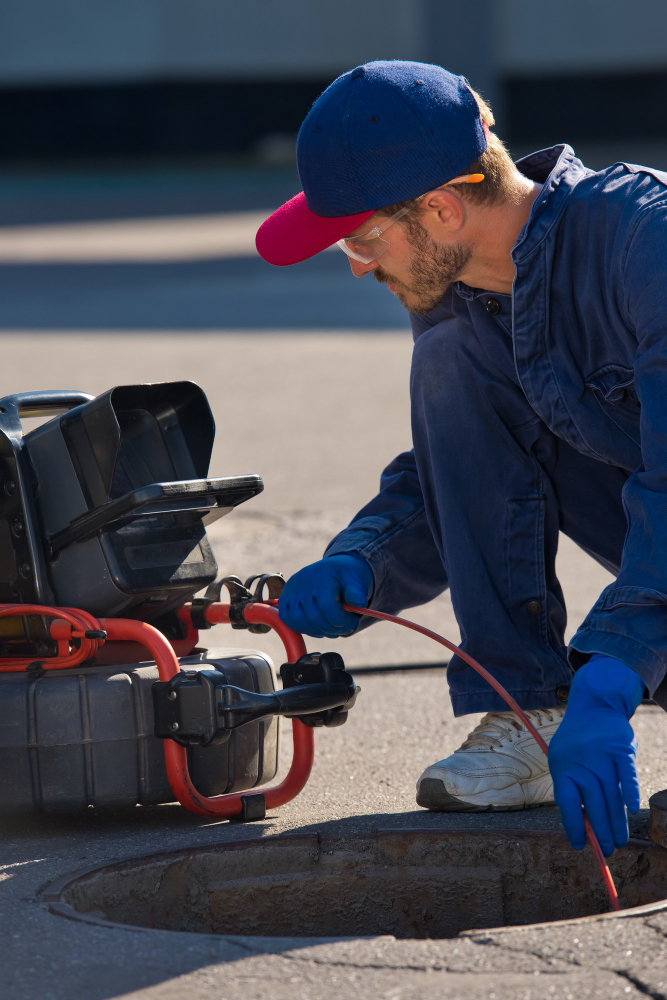
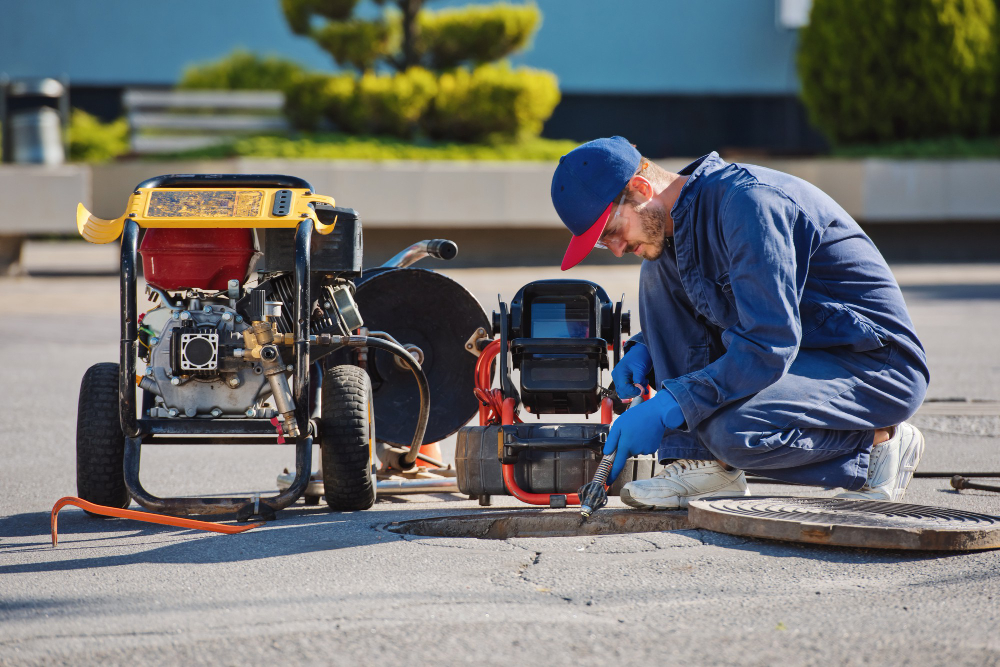
Video cameras travel through your sewer lines on flexible cables to show real-time footage of pipe conditions. The high-resolution cameras capture clear images of blockages, cracks, and collapsed sections that would be impossible to see otherwise.
When you schedule a sewer camera inspection, technicians insert the camera through existing access points in your commercial property’s system. The camera moves through the entire line while recording footage. This lets you see grease buildup, debris accumulation, or sediment that restricts flow.
The video feed also reveals structural problems like cracks, breaks, or misaligned pipe sections. Technicians can measure the exact size and location of any damage. They note the depth and distance from access points, which helps create accurate repair plans without guesswork.
Identifying root intrusion and pipe deterioration accurately
Tree roots cause major problems in commercial sewer systems throughout Seattle. Video inspection shows exactly where roots have penetrated your pipes and how extensive the intrusion has become.
The camera captures root masses that grow through cracks and joints in your sewer lines. You can see whether roots are just starting to enter or have created significant blockages. This information helps determine if you need root removal, pipe lining, or full replacement.
Pipe deterioration shows up clearly on video footage. Your inspector can identify corroded sections, scaling on pipe walls, or areas where the pipe material has weakened. Older cast iron or clay pipes often show signs of decay that need attention before complete failure occurs.
The video inspection also detects offset joints where pipe sections have separated or shifted. These problem areas let soil and groundwater enter your system, which can cause additional damage over time.
Reducing unnecessary excavation and repair work
Video technology eliminates the need to dig exploratory trenches to find sewer problems. You save money on labor costs and avoid disrupting your business operations with extensive excavation work.
The precise location data from camera inspections lets repair crews dig in the exact spot where problems exist. This targeted approach means smaller work areas and faster completion times. Your commercial property experiences less landscape damage and reduced restoration costs.
Camera inspections also help you avoid replacing pipes that are still in good condition. The video shows which sections need repair and which ones can remain in service. This selective approach cuts down on unnecessary expenses while addressing actual problems.
Preventative assessments reduce emergency costs
Regular sewer inspections help businesses avoid expensive emergency repairs and service disruptions. By identifying problems early, you can address minor issues during scheduled maintenance rather than dealing with sudden backups or system failures.
Catching small issues before they escalate into backups
Small cracks, root intrusions, and buildup start as minor problems in your sewer lines. A commercial sewer line inspection can spot these issues while they’re still manageable.
Common early warning signs include:
- Hairline cracks in pipe walls
- Small root penetrations at pipe joints
- Gradual grease or mineral deposits
- Shifting or settling pipe sections
Camera inspections reveal these problems before they cause complete blockages. A small crack might cost a few hundred dollars to repair now, but waiting could lead to a full backup affecting your business operations.
When roots first enter pipes, they’re easy to remove with standard equipment. After months of growth, those same roots can require expensive excavation and pipe replacement.
Grease buildup reduces pipe capacity slowly over time. Catching it at 30% capacity loss lets you schedule cleaning during off-hours. Waiting until pipes are 80% blocked often means emergency service calls and potential flooding.
Planning maintenance around business operations
Video inspections let you see exactly what repairs your system needs. You can then schedule work during slow periods or off-hours to minimize disruption.
Knowing the condition of your pipes helps you budget for repairs months in advance. This prevents scrambling to find emergency funds when a crisis hits. You control the timeline instead of letting problems force immediate action.
Restaurants can schedule grease line cleaning between service shifts. Retail stores can plan repairs during renovation periods. Office buildings can coordinate work during holidays when fewer employees are present.
Emergency repairs often cost 2 to 3 times more than scheduled maintenance. After-hours rates, rush equipment rentals, and expedited permits all add to the bill. Water damage to inventory, equipment, or building materials creates additional costs that preventative work avoids.
Extending the lifespan of commercial sewer infrastructure
Regular inspections help your sewer system last longer by addressing wear before it becomes severe. Pipes that receive consistent care can function properly for decades beyond their expected lifespan. According to the EPA, the U.S. experiences an estimated 23,000 to 75,000 sanitary sewer overflows per year, many of which result from deferred maintenance on aging collection systems that regular inspections could have caught earlier.
Small repairs cost far less than replacing entire pipe sections. Fixing a joint seal now prevents water from eroding the soil around pipes, which leads to collapse. Removing minor blockages prevents pressure buildup that cracks older pipes.
Documentation from inspections creates a maintenance history for your property. This record shows which sections need attention and tracks how quickly problems develop in different areas. You learn which pipes require more frequent monitoring.
Buyers value properties with documented sewer maintenance. Inspection reports prove you’ve maintained the infrastructure properly, which can increase property value and speed up sales.
Expert services support business continuity
Professional sewer inspection services keep your Seattle business running smoothly by addressing problems quickly and preventing costly shutdowns. The right commercial sewer inspection team provides fast emergency response, customized repair solutions, and ongoing maintenance plans that protect your investment.
Fast response times for urgent sewer issues
Sewer emergencies don’t wait for convenient times. Many commercial properties in Seattle face blockages, backups, or pipe failures during peak business hours. Professional inspection services offer 24/7 availability to diagnose problems immediately.
Response time matters when sewage backs up into your building or threatens to close your operation. Teams equipped with video camera technology can locate the exact problem within hours rather than days. This speed limits damage to your property and reduces the time your business stays offline.
Emergency inspection services identify whether you need immediate repairs or if the problem can wait for scheduled maintenance. Quick diagnosis prevents small issues from becoming major system failures that could shut down your entire facility.
Repair options tailored to commercial property needs
Every business has different requirements based on building size, usage patterns, and operational demands. Restaurants need solutions that handle grease buildup and high water volume. Office buildings require repairs that won’t disrupt daily operations or tenant access.
Professional sewer inspection services in Seattle present multiple repair options after completing their assessment. You might need trenchless pipe repair that requires no excavation, traditional replacement for severely damaged lines, or targeted fixes for specific problem areas. Each option comes with clear timelines and cost estimates.
Commercial properties benefit from repair schedules that work around business hours. Weekend or after-hours work keeps your operations running while crews fix your sewer system. The inspection report shows exactly what needs fixing now versus what can wait, helping you budget effectively.
Long-term maintenance strategies for business owners
Regular inspection prevents emergency repairs and extends your sewer system’s lifespan. Scheduled video inspections catch developing problems before they cause backups or failures.
A maintenance plan typically includes annual or bi-annual camera inspections of your entire sewer line. These checks identify root intrusion, pipe corrosion, and sediment buildup early. You can address small issues during planned downtime rather than dealing with unexpected emergencies.
Many Seattle commercial sewer inspection services offer maintenance contracts that include priority scheduling and discounted rates. A dedicated cleanout access point makes recurring inspections faster and less disruptive. These agreements ensure your system gets checked regularly and give you faster response times if problems do occur. Detailed inspection records also help you track your system’s condition over time and plan for future replacements.
Conclusion
Regular sewer inspections protect your Seattle commercial property from costly repairs and operational disruptions. A professional inspection using camera technology identifies problems before they become emergencies.
Seattle’s regulations require proper sewer system maintenance for commercial properties. You need to work with licensed contractors who understand local codes and permit requirements. The Seattle Department of Construction and Inspections oversees construction permits, while Seattle Public Utilities manages the city’s sewer infrastructure.
Your commercial property faces unique challenges from Seattle’s frequent rainfall and aging infrastructure. Professional inspectors use advanced camera equipment to examine the interior condition of your sewer lines. They can identify cracks, tree root intrusion, corrosion, and structural issues.
Schedule inspections during routine maintenance rather than waiting for problems to appear. Most commercial properties benefit from annual or bi-annual inspections depending on building age and usage. Properties with restaurants or food service operations may need more frequent evaluations.
When your commercial property needs a professional sewer inspection, Seattle Select Sewers provides the camera technology, licensed expertise, and fast response times to keep your business running without interruption.