A basement sewer backup is one of the most stressful problems a homeowner can face. When sewage flows into your basement, it creates immediate health risks and can cause thousands of dollars in damage to your property. Quick action is needed to protect your family and your home.
Professional sewage cleanup services in Renton typically cost between $2,000 and $10,000 depending on how much contamination has occurred and how large the affected area is. Small backups may cost less, while major flooding can exceed $15,000 when you include repairs and replacement of damaged materials. Understanding what causes these backups and how to respond can save you money and reduce health risks.
Basement sewer backup cleanup in Renton WA starts with knowing what to expect before, during, and after the emergency. Whether you are dealing with a first-time sewer backup or looking for ways to prevent a repeat, this guide covers the full process from health hazards to long-term prevention.
In this article you will find:
- Health hazards linked to basement sewage backups
- Essential steps to take during a sewage backup
- Primary reasons for sewer backups in Renton houses
- Professional restoration and safety protocols
- Strategies to prevent future sewage incidents
Keep reading to learn how to protect your home, respond safely to a sewage emergency, and reduce the chance of future backups in your Renton basement.
Health hazards linked to basement sewage backups
Sewage backups create immediate health dangers through contaminated water that carries harmful bacteria, viruses, and parasites. The way this contamination spreads depends on your basement type, and delayed cleanup increases risks of both illness and property damage.
How contaminated water spreads in unfinished and finished basements
Sewage water moves differently based on your basement’s construction. In unfinished basements, contaminated water soaks directly into concrete floors and exposed walls. The porous surfaces absorb bacteria and viruses deep into the material, making thorough cleanup harder.
Finished basements face different problems. Sewage seeps behind drywall, under flooring, and into insulation where you cannot see it. Carpet padding acts like a sponge and holds contaminated water against the subfloor. This hidden moisture creates breeding grounds for mold and bacteria.
The spread happens fast. Within hours, sewage water can travel across your entire basement floor. It flows into cracks, seeps under baseboards, and climbs up walls through capillary action. Storage boxes, furniture, and personal items absorb the contaminated water and become health hazards themselves.
Hidden risks of bacteria and structural damage
Raw sewage contains dangerous organisms that cause serious illness. Bacteria like E. coli and Salmonella lead to stomach problems, fever, and infections. Viruses including hepatitis A spread through contact with contaminated surfaces. Parasites and intestinal worms live in sewage and can infect anyone exposed to the water.
Breathing air in a basement with sewage backup poses risks too. According to the U.S. Environmental Protection Agency, an estimated 23,000 to 75,000 sanitary sewer overflows occur each year across the country, releasing raw sewage that threatens public health and contaminates residential spaces. Mold and fungi grow within 24 to 48 hours in wet conditions. These organisms release spores that cause respiratory problems, allergic reactions, and breathing difficulties.
The structural damage happens alongside health risks. Sewage weakens wood framing, warps floors, and damages drywall. The contamination ruins insulation and creates permanent odors in building materials. These problems require professional sewer water damage cleanup services to fix properly.
Importance of rapid cleanup for safety
Time matters critically with sewage backups. The first 24 hours determine how much damage occurs and how dangerous your basement becomes. The Centers for Disease Control and Prevention recommends drying out flood-damaged areas fully within 24 to 48 hours to prevent mold colonization on wet building materials. Bacteria multiply quickly in standing water, and contamination spreads to more surfaces each hour.
Professional cleanup within the first few hours prevents the worst health risks. Trained technicians remove contaminated water, sanitize all affected surfaces, and dry your basement completely. They use protective equipment and follow safety protocols that keep your family safe.
Waiting even one day increases your costs and risks. Mold begins growing, bacteria levels rise, and structural damage becomes worse. Quick action protects your health and saves money on repairs.
Essential steps to take during a sewage backup
When sewage backs up in your basement, quick action can limit health risks and prevent additional damage. Stopping water flow, protecting people and pets, and securing your belongings are the most critical first actions.
Ceasing water use to control overflow
Stop using all water in your home immediately when you notice a sewage backup. This includes toilets, sinks, showers, washing machines, and dishwashers. Every gallon of water you send down your drains adds to the backup and makes the problem worse.
Turn off water to fixtures if family members might use them by mistake. Alert everyone in your household about the situation so no one accidentally flushes a toilet or runs a faucet. If the backup continues despite stopping water use, the issue likely stems from the main sewer line rather than your home’s plumbing.
Contact emergency sewer cleanup services as soon as you stop water use. Professional crews can locate the blockage and begin containment while you handle other urgent safety steps.
Ensuring family and pet safety
Move everyone away from the affected area right away. Sewage contains harmful bacteria, viruses, and parasites that cause serious illness through direct contact or airborne particles.
Keep children and pets out of the basement completely. They are more vulnerable to infection and may not understand the danger. Close doors to the basement if possible and watch that no one enters.
Avoid contact with the sewage water yourself. If you must enter the area briefly, wear rubber boots, waterproof gloves, and eye protection at minimum. Wash your hands thoroughly with soap and hot water after any exposure.
Minimizing damage to personal belongings
Remove valuable and salvageable items from the affected area only if you can do so safely. Wear protective gear before entering and work quickly to limit your exposure time.
Move furniture, boxes, and electronics to higher ground or out of the basement. Porous materials like fabric, wood, and paper absorb sewage quickly and become contaminated. Hard plastic and metal items can typically be disinfected if removed promptly.
Take photos of all damage before moving items for insurance documentation. Leave heavily contaminated items in place if removing them risks spreading sewage to clean areas. Professional restoration teams have proper equipment to handle contaminated materials safely.
Primary reasons for sewer backups in Renton houses
Sewer backups in Renton basements happen when wastewater cannot flow properly through your pipes to the municipal system. The most common culprits include blocked main lines, tree roots breaking into pipes, and heavy rainfall overwhelming the drainage system.
Main line blockages impacting lower drains
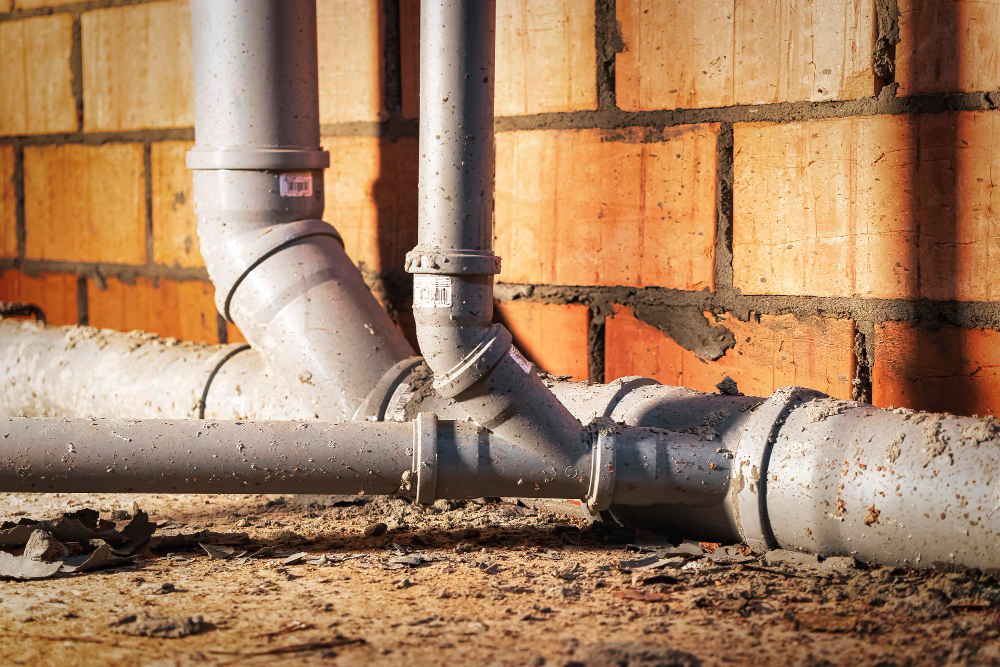
Your main sewer line carries all wastewater from your home to the municipal system. When this line gets clogged, sewage has nowhere to go except back into your house through the lowest drains.
The basement typically floods first because gravity pulls backed-up sewage to the lowest point in your home. Common items that cause main line blockages include grease, non-flushable wipes, sanitary products, and paper towels. These materials stick to pipe walls and build up over time.
Materials that commonly block main lines:
- Cooking grease and oils
- Baby wipes and cleaning wipes
- Feminine hygiene products
- Paper towels and thick toilet paper
- Hair and soap buildup
Once a blockage forms, water drains slowly from all your fixtures. You might notice your toilet gurgles when you run the washing machine or multiple drains back up at the same time.
Tree root invasion in sewer pipes
Tree roots naturally grow toward water sources, making your sewer pipes an attractive target. Small roots enter through tiny cracks or loose pipe joints seeking moisture and nutrients.
Once inside, roots expand and create dense masses that trap debris and block water flow. Older homes in Renton face higher risk because aging clay or cast iron pipes crack more easily than modern materials. Willow, maple, and poplar trees are especially aggressive in seeking out sewer lines.
Root invasion happens gradually over months or years. Early signs include slow drains, gurgling sounds, and sewage odors in your yard. A professional sewer inspection can detect root problems before they cause a full basement backup.
Heavy rain causing system overloads
Renton receives significant rainfall throughout the year, putting extra pressure on sewer systems. When heavy storms hit, municipal sewers can reach capacity and push water back through your home’s drainage pipes.
Combined sewer systems that handle both stormwater and sewage are particularly vulnerable during intense rain. Your sump pump plays a critical role during storms by removing groundwater before it enters your basement. A broken or overwhelmed sump pump allows both groundwater and sewage to flood your basement simultaneously.
Homes in low-lying areas face greater flood risk during prolonged rainfall. Even properly maintained systems can experience backups when storm intensity exceeds the system’s designed capacity.
Professional restoration and safety protocols
Basement sewage cleanup relies on trained professionals who follow strict safety standards to remove contaminated materials and restore your space. These teams use specialized equipment and proven methods to eliminate health risks and prevent future problems.
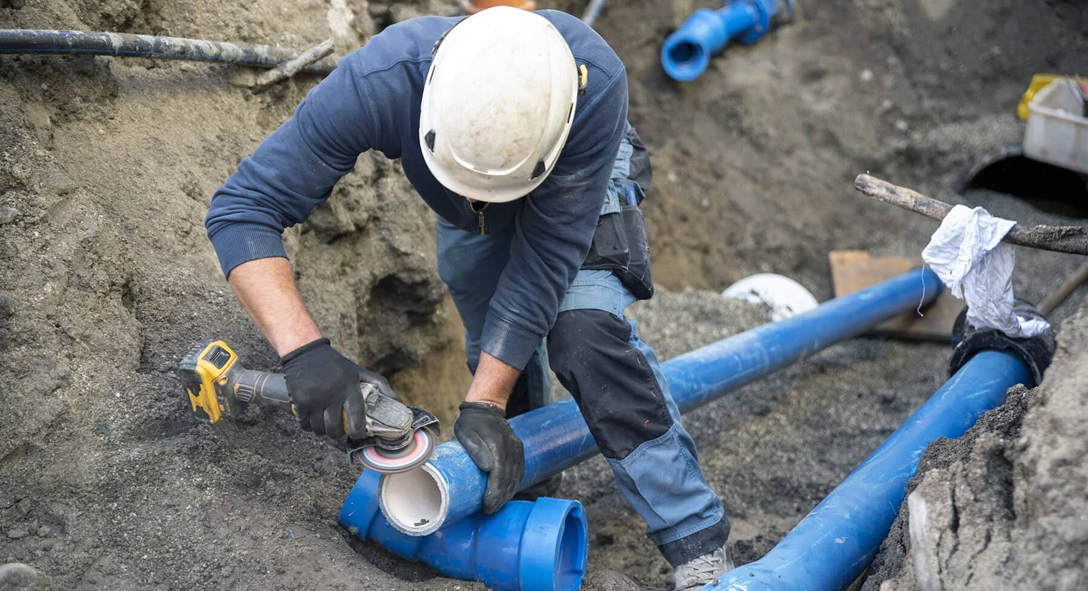
Extraction of contaminated water and damaged materials
Professional crews arrive with industrial-grade pumps and extractors to remove sewage water from your basement. They work quickly because contaminated water spreads bacteria and viruses throughout your space with every passing hour.
Technicians wear protective suits, gloves, and respirators during the cleanup process to avoid exposure to harmful pathogens. They identify all affected materials including carpets, drywall, insulation, and personal items. According to FEMA, water-damaged porous materials are difficult to properly clean and should generally be discarded rather than salvaged after contamination events.
The team creates containment barriers to prevent contamination from spreading to clean areas of your home. They use negative air machines with HEPA filters to control airborne particles during the removal process. All contaminated materials get sealed in heavy-duty bags before disposal according to local health regulations.
Disinfection and sanitization of impacted areas
After extraction, restoration teams apply EPA-registered disinfectants to all hard surfaces touched by sewage. These antimicrobial treatments kill bacteria, viruses, and other pathogens that regular cleaning cannot eliminate.
Professionals clean floors, walls, and structural elements multiple times using hospital-grade sanitizers. They pay special attention to cracks, corners, and hidden spaces where contamination hides. The team may apply antimicrobial coatings to prevent mold growth in the days following cleanup.
Air scrubbers and dehumidifiers run continuously to dry the space and remove odors. Thermal foggers or ozone generators may be used to neutralize persistent sewage smells embedded in surfaces. Technicians test moisture levels in walls and floors to confirm complete drying before reconstruction begins.
Identifying underlying causes for prevention
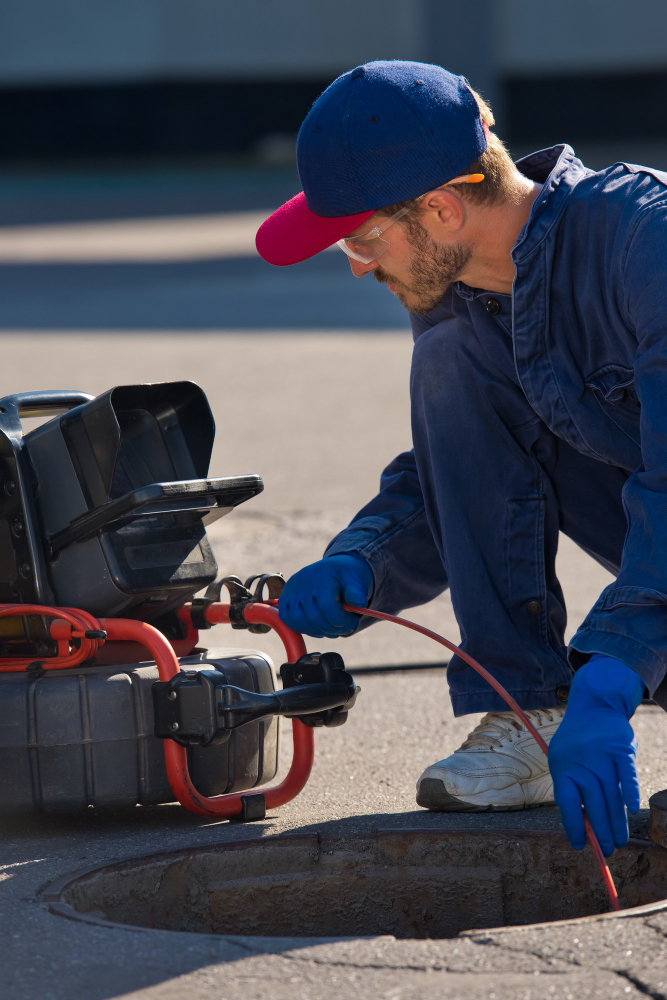
Restoration experts inspect your sewer lines and plumbing system to determine why the backup occurred. They use video cameras to examine pipes for tree root intrusion, collapsed sections, or grease buildup that blocks flow.
Common causes in Renton include aging clay pipes, foundation settling, and overwhelmed municipal systems during heavy rainfall. Your restoration team documents these findings and recommends specific repairs. They may suggest installing a backwater valve to prevent future sewage from entering your basement.
The inspection report helps you understand whether the problem stems from your private lateral line or the city’s main sewer system. This information proves valuable when filing insurance claims or determining who bears responsibility for repairs.
Strategies to prevent future sewage incidents
Regular maintenance and proper equipment can stop most sewer backups before they start. Focus on inspecting your system, adding protective devices, and catching problems early.
Routine sewer inspections and upkeep
You should schedule professional sewer line inspections every 18 to 24 months. A plumber uses a camera to check inside your pipes for tree roots, cracks, or buildup that could cause blockages.
Keep your drains clear by avoiding putting grease, coffee grounds, or food scraps down your kitchen sink. Use drain guards in all sinks and tubs to catch hair and debris. These simple steps prevent clogs from forming in the first place.
Clean your main sewer line every few years through hydro jetting or mechanical cleaning. This removes buildup on pipe walls before it causes a backup. If you have older pipes in your Renton home, more frequent cleanings may be necessary.
Watch what you flush down toilets. Only human waste and toilet paper should go down the drain. Items like wipes, paper towels, and feminine products can create serious clogs even if labeled as flushable.
Backwater prevention devices
A backwater valve installs on your main sewer line and stops sewage from flowing back into your basement. The valve opens when water flows out from your home but closes automatically when sewage tries to flow backward.
This device is particularly important if your home sits in a low-lying area or has a basement below the street’s sewer line level. Many calls for sewer line replacement could be prevented with this single installation.
Professional plumbers must install backwater valves to meet local plumbing codes. The typical cost ranges from $1,000 to $3,000 depending on your home’s layout and existing plumbing. Some cities offer rebates or incentives for homeowners who install these protective devices.
Check your backwater valve annually to ensure it moves freely and hasn’t collected debris. A stuck valve won’t protect your home when you need it most.
Early detection of pipe issues
Look for warning signs that indicate developing sewer problems. Multiple slow drains throughout your home, gurgling sounds from toilets, or water backing up in floor drains all suggest a blockage is forming.
Sewage odors in your basement or yard can mean a crack or leak in your sewer line. Address these smells immediately rather than masking them with air fresheners.
Watch for wet spots or extra green patches in your yard above the sewer line. These indicate leaking wastewater that will eventually cause a full backup. Soft or sunken areas in your lawn also signal underground pipe damage.
Install water leak detection sensors in your basement near floor drains and the washing machine. These affordable devices alert you to moisture before a small problem becomes a major sewage backup requiring professional repair services.
Conclusion
A basement sewer backup is a serious problem that requires immediate action. You need to protect your health and your property by responding quickly when sewage enters your home.
Professional cleanup services in Renton, WA are available 24/7 to handle these emergencies. These certified technicians have the right equipment and training to remove contaminated water safely. They also sanitize affected areas to eliminate harmful bacteria and viruses.
The faster you act, the less damage your basement will suffer. Raw sewage contains dangerous pathogens like E. coli and salmonella that can make you sick. It also soaks into walls, floors, and belongings quickly.
Prevention is your best defense against future backups. Regular drain maintenance and proper disposal of waste help keep your sewer lines clear. Installing a backwater valve can also protect your home from city sewer overflows.
When you face a basement sewer backup in Renton, you don’t have to handle it alone. Seattle Select Sewers can restore your basement to a safe, clean condition, respond quickly to minimize the impact on your daily life, and work with your insurance company throughout the process.