A sewer backup in your Bellevue home can quickly turn into a messy and expensive problem. When wastewater flows back into your drains instead of away from your property, it creates health risks and can damage your home. Professional sewer backup repair services in Bellevue are available 24/7 to handle everything from minor clogs to major line damage.
Sewer problems don’t fix themselves. What starts as slow drains or odd smells can become a full sewage backup that affects your whole house. The good news is that experienced plumbers in Bellevue have modern tools and methods to diagnose and repair sewer issues quickly.
Understanding what causes sewer backup repair Bellevue WA calls and how professionals handle them can help you act fast when problems occur. From recognizing early warning signs to choosing the right repair approach, this guide walks you through everything Bellevue homeowners need to know about protecting their sewer system and their property.
This guide covers the warning signs to watch for, common causes of backups in the Bellevue area, and the repair options that can restore your sewer system. Here’s what you’ll find below:
In this article, you will learn about:
- Escalating risks of unaddressed sewer backups
- Recognizing early indicators of sewer trouble
- Typical triggers behind Bellevue sewer backups
- Expert repair approaches to residential sewer issues
- Proactive steps to limit restoration expenses
Keep reading to learn how to identify sewer problems early, understand what causes backups in Bellevue homes, and take the right steps to protect your property from costly damage.
Escalating risks of unaddressed sewer backups
When sewer backups go untreated, contaminated water spreads rapidly through your home while hidden health hazards develop in areas you can’t see. Quick action protects your property from structural damage and prevents exposure to dangerous bacteria.
How wastewater spreads through floors and fixtures
Sewer water follows the path of least resistance once it enters your home. It seeps between floorboards, soaks into subflooring, and travels along walls to reach lower levels.
The water moves through grout lines in tile floors and spreads beneath vinyl or laminate surfaces. Within hours, the moisture reaches wood framing and drywall. Porous materials like carpet and padding absorb the contaminated water quickly.
Backups that start in one bathroom can affect multiple fixtures throughout your house. The wastewater pushes back through connected drain lines and appears in tubs, showers, and floor drains. Basement drains often overflow first because they sit at the lowest point in your plumbing system.
Common spread patterns:
- Through basement floor cracks into foundation walls
- Under baseboards into wall cavities
- Along heating ducts and pipe channels
- Between ceiling joists to rooms below
The hidden contamination risks homeowners often overlook
Sewage contains harmful bacteria, viruses, and parasites that remain active long after visible water disappears. E. coli, hepatitis A, and salmonella thrive in the moist environment behind walls and under floors. According to the EPA, raw sewage carries bacteria, viruses, parasites, and inhaled molds that can cause illnesses ranging from mild gastroenteritis to severe conditions such as dysentery and infectious hepatitis.
Contamination settles into HVAC systems when water reaches air ducts. Your heating and cooling system then circulates these particles throughout your home. Insulation absorbs sewage and becomes a breeding ground for mold within 24 to 48 hours.
Items that appear dry on the surface may still harbor dangerous pathogens. A University of Maryland study found that 34 out of 40 homes with recent sewage backups still contained at least one type of harmful bacteria, with some testing positive more than six months after the initial event. Children and pets face higher risks because they spend more time near floor level where contamination concentrates.
Why fast response is critical in residential neighborhoods
Emergency sewer backup situations require immediate professional attention to limit property damage. Every hour of delay allows more water to spread and more materials to absorb contamination.
Your homeowner’s insurance may deny claims if you wait too long to address the problem. Most policies require prompt mitigation to prevent additional damage. Documentation of quick response helps support your claim.
Untreated backups affect neighboring properties in connected sewer systems. The blockage that caused your backup can worsen and impact other homes on your street. Raw sewage poses public health risks that extend beyond your property line.
Professional cleanup teams can arrive within hours to extract water, remove contaminated materials, and sanitize affected areas. This rapid response prevents structural damage that costs thousands to repair later.
Recognizing early indicators of sewer trouble
Sewer problems rarely appear without warning. Slow drains, strange sounds, and bad smells often show up weeks or months before a complete backup occurs.
Multiple slow drains throughout the home
When one sink drains slowly, you probably have a local clog in that fixture. But when multiple drains act sluggish at the same time, you’re likely dealing with a sewer line problem. This happens because all your home’s drains connect to the main sewer line.
Watch for drains that empty slower than normal in different parts of your house. Your kitchen sink, bathroom sink, and bathtub might all drain gradually instead of quickly. The toilet might also take longer to clear after you flush.
Pay special attention to lower-level drains. These often show symptoms first because they sit closest to the main sewer line. If you notice water backing up in your basement floor drain when you run the washing machine, your main line likely has a blockage forming.
The problem usually gets worse over time. What starts as slightly slow drainage can turn into complete blockages within weeks.
Gurgling toilets and unusual plumbing sounds
Gurgling sounds from your toilet or drains signal trapped air in your sewer line. This air gets pushed around when water tries to flow through a partially blocked pipe. The sound resembles bubbles rising through water.
You might hear these noises when you use other fixtures. Running water in the sink could make your toilet gurgle. Flushing an upstairs toilet might cause sounds in your shower drain. These connected reactions point to a shared sewer line issue rather than individual fixture problems.
Listen for bubbling sounds coming from your drains too. This happens when air escapes through water sitting in your P-traps. The noise tells you that something is restricting normal water and air flow in your system.
Persistent sewer odors inside or around the property
Sewer gas smells like rotten eggs mixed with waste. You should never smell this odor inside your home or yard. When you do, it means sewer gas is escaping from somewhere in your system.
Check your yard for wet spots that smell bad. These soggy areas can indicate a cracked or leaking sewer pipe underground. The ground above a damaged line often stays damp even during dry weather.
Inside your home, sewer smells near drains suggest problems with your main line or vent stack. The odor might come and go at first. As the problem worsens, the smell becomes constant and spreads to more areas of your house.
Cracked pipes, broken seals, or severe blockages all let sewer gas enter your home. This isn’t just unpleasant, sewer gas contains methane and hydrogen sulfide, which can pose health risks.
Typical triggers behind Bellevue sewer backups
Sewer backups in Bellevue homes usually result from three main problems: tree roots breaking into pipes, grease and debris clogging the system, or old damaged pipes that can no longer handle wastewater properly.
Tree root intrusion blocking underground sewer lines
Tree roots cause many sewer line blockages in Bellevue. Cedar and maple trees, which are common in the area, naturally seek out water sources and find their way into your sewer pipes through small cracks or loose joints.
Once roots enter your sewer line, they grow quickly and create dense tangles that catch toilet paper and other waste. Older neighborhoods with clay or concrete pipes face this problem more often because these materials crack and separate over time.
The roots don’t just block your pipes, they also damage the pipe structure itself. As roots expand, they break apart the joints and widen existing cracks. This creates larger openings for more roots to enter and speeds up the deterioration of your entire sewer line.
You’ll typically notice slow drains or gurgling sounds from your toilets before a complete backup happens. Homes built before 1980 have higher risk because they often use older pipe materials that roots can penetrate more easily.
Grease and debris buildup restricting wastewater flow
Your sewer drains are only about four inches wide and designed to handle water, toilet paper, and human waste. When you pour cooking grease down your kitchen sink, it cools and sticks to the inside of your pipes.
Over time, this grease layer catches other debris and builds up. Hard water deposits in Bellevue’s water supply make this problem worse by coating pipes and giving grease more surface to cling to.
Many items that seem safe to flush actually cause problems:
- Wet wipes (even “flushable” ones)
- Feminine hygiene products
- Paper towels
- Cotton swabs
- Dental floss
These items don’t break down like toilet paper. They get caught in grease deposits and create larger blockages that restrict wastewater flow through your sewer line.
Aging or damaged sewer pipes leading to obstruction
Older sewer pipes in Bellevue develop problems that lead to backups. Pipes made from clay, cast iron, or early concrete materials break down after decades of use. Cracks, corrosion, and separated joints become entry points for soil and debris.
When your pipes shift due to ground movement or settling, they can develop low spots where water pools. These areas collect sediment and waste, which gradually builds into a blockage that residents need professional help to clear.
Corroded pipes also develop rough interior surfaces that catch waste more easily than smooth new pipes. This roughness slows down wastewater flow and creates spots where clogs form faster.
You might see wet spots in your yard, sewage odors near your foundation, or multiple drains backing up at once when your pipes are failing. These signs mean your sewer line has significant damage that regular cleaning won’t fix.
Expert repair approaches to residential sewer issues
Professional plumbers use specific methods to diagnose and fix sewer problems in homes. These techniques help identify the exact location of blockages and determine the best way to restore your sewer system to proper working condition.
Camera inspections to locate blockages accurately
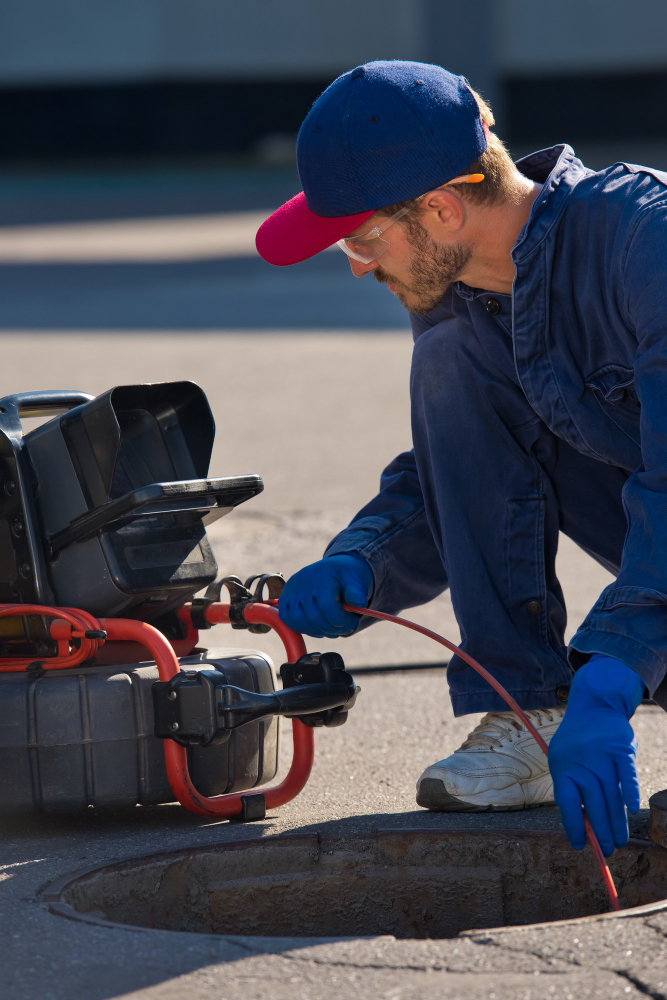
A sewer backup plumber starts most jobs by inserting a specialized waterproof camera into your sewer line. This camera travels through your pipes and sends back real-time video footage to a monitor above ground. The plumber can see exactly where clogs, cracks, or tree roots are causing problems.
The camera inspection shows the precise location and depth of any issues in your system. This saves time and money because the plumber doesn’t need to dig up your entire yard to find the problem. You can often watch the video feed yourself and see what’s happening inside your pipes.
Most modern sewer cameras include distance counters and location transmitters. These tools tell the plumber exactly how many feet from your home the blockage sits. The cameras can also identify pipe materials, measure pipe diameter, and spot early signs of deterioration before they become major problems.
Clearing obstructions and restoring proper flow
Once the plumber locates the blockage, they select the right tools to clear it. For basic clogs from household waste or paper products, a motorized drain auger often does the job. This tool uses a rotating cable with a cutting head to break through obstructions.
Hydro jetting offers a more thorough cleaning for tough blockages. This process uses high-pressure water streams (typically 3,000 to 4,000 PSI) to blast away grease, mineral deposits, and tree roots. The water pressure scours your pipe walls clean and flushes all debris out to the main sewer line.
For sewer drain backup repair, plumbers choose methods based on what the camera inspection revealed. Tree roots might need cutting tools attached to the auger, while grease buildup responds better to hot water jetting.
Determining whether repair or replacement is needed
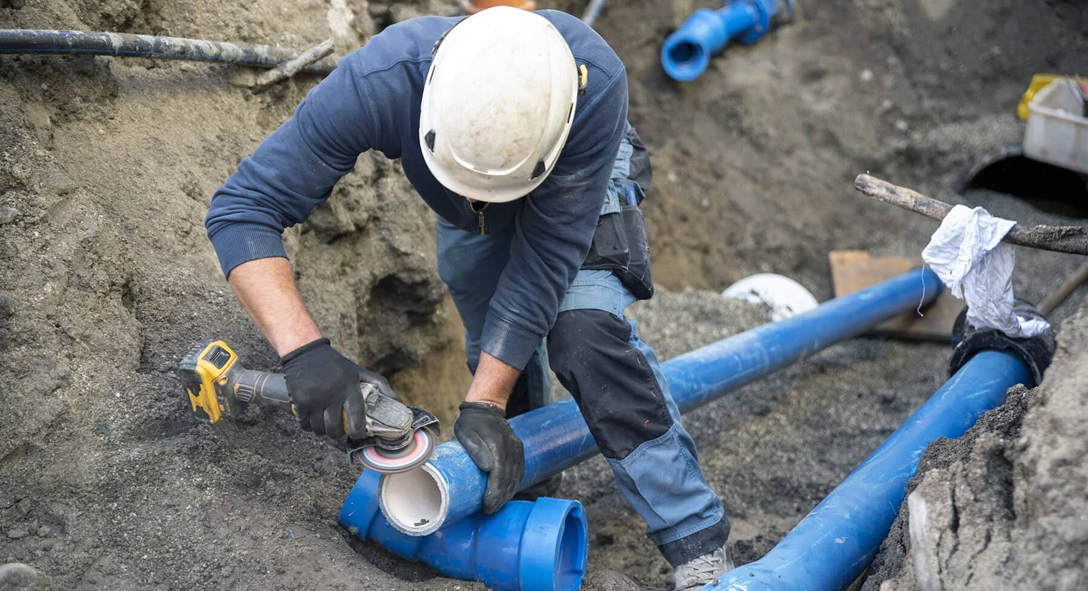
After clearing the immediate blockage, your plumber evaluates the overall condition of your sewer line. Minor cracks or small sections of damage can often be repaired without replacing the entire pipe. Trenchless repair methods let plumbers fix damaged sections by inserting new pipe liners through existing access points.
Your sewer line needs replacement when pipes show widespread deterioration, multiple cracks, or severe root intrusion throughout the system. Older homes with clay or cast iron pipes often reach a point where repairs become a temporary fix. A full replacement becomes more cost-effective than repeated emergency calls.
Common signs your sewer line needs replacement:
- Pipes installed more than 50 years ago
- Multiple backups in different areas of your home
- Visible sinkholes or wet spots in your yard
- Tree roots penetrating pipes in several locations
The plumber provides you with camera footage and explains which option makes sense for your situation and budget.
Proactive steps to limit restoration expenses
Taking quick action and making smart choices during a sewer backup can reduce your repair costs by thousands of dollars. The way you respond to water damage, control contamination, and fix the root problem directly impacts your final bill.
Reducing structural damage to flooring and walls
Water from a sewer backup seeps into flooring, baseboards, and drywall within minutes. You need to remove standing water as soon as possible to prevent permanent damage. The longer sewage sits on your floors, the more likely you’ll need complete replacement instead of simple cleaning.
Pull up wet carpets and padding immediately if you can do so safely. Move furniture away from affected walls to allow air circulation. If water has been standing for more than 24 hours, your subfloors may have started to warp or rot.
Professional residential sewer cleanup services use industrial pumps and dehumidifiers to extract moisture from building materials. This equipment works faster than fans or air conditioning alone. Quick drying prevents wood rot, warping, and structural weakness that would require expensive repairs later.
Document all damage with photos before you start cleanup. Your insurance company will need this evidence to process your claim. Don’t throw away damaged items until your adjuster has reviewed them.
Limiting mold growth after sewage exposure
Mold begins growing within 24 to 48 hours after sewage exposure. According to FEMA, mold and mildew develop within 24 to 48 hours of water exposure and will continue spreading until the moisture source is eliminated and contaminated materials are removed. You must dry all affected areas completely within this window to avoid mold remediation costs.
Use dehumidifiers in every room that had water contact. Open windows when weather permits to increase airflow. Remove porous materials like drywall, insulation, and fabrics that absorbed sewage water.
Bleach does not kill mold inside porous materials. You need to remove and replace these items completely. Surface cleaning only addresses visible mold while leaving growth inside walls and floors.
Professional restoration companies test moisture levels in your walls and floors with specialized meters. They continue drying until readings drop below 15% moisture content. This prevents hidden mold growth that appears weeks or months later.
Preventing repeat backups through proper repair solutions
Fixing only the immediate blockage without addressing the underlying cause leads to repeat backups and additional cleanup costs. Tree roots, pipe collapses, and broken connections require permanent repairs to protect your home.
Video camera inspections show the exact location and cause of your sewer line problems. This technology prevents unnecessary digging and reduces labor costs. Your plumber can target repairs to specific damaged sections instead of replacing your entire line.
Trenchless repair methods cost more upfront but prevent landscape damage and restoration expenses. Traditional excavation requires fixing your yard, driveway, or sidewalk after pipe replacement. Consider which option provides better long-term value for your property.
Regular maintenance prevents most sewer backups before they happen. Schedule annual inspections if you have older pipes or mature trees near your sewer line. Professional drain cleaning removes buildup before it causes complete blockages.
Final thoughts on protecting your Bellevue home from sewer problems
Sewer backup repair requires quick action and professional help. When you notice slow drains, bad smells, or water backing up into your home, you need to contact a plumber right away.
Homeowners in Bellevue are responsible for the sewer pipes on their property. The public system is shared, but your private lines are your responsibility to maintain and repair.
Professional plumbers use advanced tools like drain augers and cable devices to clear blockages. These experts can diagnose the problem and fix it before damage spreads to other parts of your home.
Sewer backups cost thousands of dollars to repair if you wait too long. They also create health risks and environmental hazards that affect your family and neighbors.
The best approach is prevention through regular maintenance. When problems do occur, Seattle Select Sewers provides 24/7 emergency response, advanced camera diagnostics, and permanent repair solutions to protect your Bellevue home from sewer damage.