Clogged sewer lines in Shoreline, WA can quickly turn from a minor annoyance into a serious problem that affects your entire plumbing system. Traditional drain cleaning methods like plungers and chemical cleaners often provide only temporary relief, leaving the root cause of the blockage untouched.
Hydro jet sewer cleaning uses high-pressure water streams to completely clear away grease, tree roots, scale buildup, and other debris from your pipes, restoring them to near-original condition. This method is more effective than traditional cleaning because it thoroughly scours the entire pipe wall instead of just poking a hole through the blockage.
If your Shoreline home deals with recurring clogs that keep coming back despite repeated snaking or chemical treatments, the problem likely runs deeper than a single blockage. Understanding how hydro jet sewer cleaning works, when it’s the right solution, and how to protect your sewer lines long-term can help you break the cycle of temporary fixes and avoid costly emergency repairs.
This guide explains why standard methods often fall short, how the hydro jetting process restores proper flow, and what safety factors you should consider before scheduling service. Here’s what we’ll cover:
In this article, you will learn about:
- Why routine methods fail to solve persistent sewer clogs
- Restoring full pipe flow with high-pressure hydro jetting
- Identifying deeper causes of recurring drain issues
- Safety considerations when using hydro jetting services
- Benefits of preventive sewer cleaning
Keep reading to find out how high-pressure sewer cleaning eliminates stubborn buildup, protects your pipes from future damage, and keeps your Shoreline home’s drainage system performing at full capacity.
Why routine methods fail to solve persistent sewer clogs
Many homeowners find that basic drain cleaning techniques only provide temporary relief from sewer problems. Traditional approaches like plunging or using chemical cleaners often miss the root cause of blockages, which leads to the same issues returning within weeks or months.
Why snaking often fails to fully clear pipe buildup
A drain snake works by punching a hole through clogs to restore water flow. This method can clear a path for drainage, but it doesn’t remove the material stuck to your pipe walls.
Grease, mineral deposits, and tree roots cling to the inside of sewer lines over time. When a plumber runs a snake through your pipes, it pushes through the center of these buildups. The debris around the edges stays in place.
Your drains might work better right after snaking. But the remaining buildup keeps growing and will eventually block your pipes again. This explains why you might need repeat visits from plumbers for the same slow drain or backup.
Snaking also can’t address buildup that coats your entire pipe in a thin layer. These gradual accumulations reduce your pipe diameter inch by inch until flow becomes restricted.
How partial blockages lead to repeated drainage issues
Partial blockages create ongoing problems that get worse over time. When debris partially blocks your sewer line, water still drains but much slower than normal.
These partial clogs act like nets that catch more material as it flows past. Hair, soap scum, food particles, and other waste stick to the existing buildup. Each time you use your drains, more material accumulates at the blockage point.
The slow drainage you notice today often becomes a complete backup next month. Many homeowners get stuck in a cycle of temporary fixes that only address immediate symptoms.
Signs your sewer line needs a deeper cleaning method
Multiple slow drains throughout your home point to a main sewer line problem rather than isolated clogs. If your toilet, shower, and sinks all drain slowly at once, the issue likely sits in your main line.
Recurring backups in the same location suggest buildup that basic methods can’t remove. You might also notice gurgling sounds from your drains or sewage odors near drains and cleanout points.
Water backing up in one fixture when you use another is another clear warning sign. For example, if your toilet bubbles when you run the washing machine, your sewer line has significant blockage that needs professional attention.
Restoring full pipe flow with high-pressure hydro jetting
High-pressure water cleaning removes years of buildup from sewer lines and completely restores drainage capacity. This method cleans the entire interior pipe surface rather than just poking a hole through blockages.
How pressurized water clears grease, sludge, and debris
Hydro jet drain cleaning uses water pressurized between 3,000 and 4,000 PSI to scour pipe walls clean. The equipment includes a specialized nozzle that shoots water in multiple directions at once. Forward jets cut through blockages while backward-facing jets propel the hose through the pipe and flush debris toward the exit.
The pressurized stream breaks apart hardened grease that clings to pipe walls. It also removes mineral scale deposits that build up over years of use. Tree roots get cut away and flushed out of the system.
The cleaning action reaches every part of the pipe’s interior surface. Sludge and sediment layers wash away completely. This thorough cleaning process leaves pipes as clean as they were when first installed.
Why it is more effective than traditional drain cleaning
Traditional cable snaking only punches a hole through clogs. The buildup on pipe walls stays in place and causes repeat blockages within months. High-pressure sewer cleaning removes the entire obstruction plus all accumulated residue.
Cable augers can miss sections of pipe and leave partial blockages. Hydro jetting cleans the full diameter and length of the line. The water reaches areas that mechanical tools cannot access.
Chemical drain cleaners only work on specific types of clogs and damage pipes over time. Hydro jetting handles all blockage types without harsh chemicals. It also works safely on most modern pipe materials when a professional calibrates the pressure correctly.
Situations where hydro jetting is the preferred solution
Restaurants and commercial kitchens need hydro jetting because grease accumulates faster in their lines. According to the EPA, fats, oils, and grease are among the leading causes of sewer blockages nationwide, and controlling FOG buildup in sewer systems is one of the agency’s key recommendations for preventing sanitary sewer overflows. Regular snaking cannot remove the thick grease layers that form on pipe walls.
Your home needs this service when drains back up repeatedly despite previous cleaning attempts. Multiple slow drains throughout the house indicate widespread buildup rather than a single clog.
Older homes with decades of accumulated scale benefit from thorough hydro jetting. Homes with mature trees nearby require it to remove invasive roots. Properties preparing for video pipe inspection use hydro jetting first to get clear footage of pipe conditions.
Identifying deeper causes of recurring drain issues
When the same drains keep backing up despite repeated cleaning attempts, the problem usually stems from conditions deep in your sewer line rather than simple surface clogs. These systemic issues require professional diagnosis and often hydro jetting to fully resolve.
Multiple fixtures draining slowly at the same time
When several drains throughout your home slow down together, this points to a blockage in your main sewer line rather than individual fixture problems. A kitchen sink, bathroom tub, and toilet all draining slowly at once means the obstruction sits downstream where all your pipes converge.
This pattern typically results from buildup accumulating over time in the main line. Grease, soap residue, and mineral deposits create layers that narrow the pipe diameter. Tree roots can also infiltrate joints and grow into thick masses that restrict flow.
You might notice the lowest drains in your home affected first since wastewater backs up from the blockage point. A basement floor drain or first-floor toilet often shows symptoms before upper-level fixtures. The problem worsens as more water tries to pass through the restricted section during peak usage times like mornings or evenings.
Frequent backups in sinks, tubs, or toilets
Recurring backups in the same fixture every few weeks or months signal an underlying issue that temporary fixes cannot address. If you regularly need to snake your toilet or clear your shower drain, the blockage keeps reforming because the root cause remains.
Persistent clogs often develop in pipes with structural problems. A sagging section called a belly allows debris to settle and accumulate. Offsets where pipe sections misalign create catching points for waste material. Cracks or breaks in aging pipes provide spots where buildup collects.
Fixture backups can also result from insufficient slope in your drain lines. Pipes need proper angling for gravity to move waste effectively. When sections run too flat, solids settle instead of flowing through completely.
Sewer odors caused by buildup inside pipes
Foul smells coming from drains indicate organic material decomposing within your pipes. Fresh, clean lines do not produce odors even with regular use. The smell means waste has adhered to pipe walls and begun breaking down.
Heavy buildup creates a coating where bacteria thrive and generate hydrogen sulfide gas. This produces the characteristic rotten egg smell associated with sewer problems. The thicker the accumulation, the stronger the odor becomes.
Grease proves particularly problematic for creating smelly deposits. It solidifies as it cools and traps food particles, hair, and other debris. Over time, this mixture forms a dense layer that standard drain cleaners cannot fully remove.
Safety considerations when using hydro jetting services
Hydro jetting uses significant water pressure to clean sewer lines, which makes safety essential for both operators and your property. Professional assessment of pipe conditions and proper inspection techniques protect against damage while ensuring effective cleaning results.
Assessing pipe condition before applying high pressure
Your pipes need a thorough evaluation before any hydro jetting work begins. Older pipes made from clay, cast iron, or Orangeburg materials may have weakened over time and cannot withstand high-pressure water streams.
A professional technician should check for existing cracks, corrosion, or deterioration. Pipes with significant damage could collapse under the force of hydro jetting. Tree root intrusion also affects structural integrity and needs identification beforehand.
The age of your sewer system matters greatly. Homes built before 1980 often have materials that are more fragile than modern PVC pipes. Your service provider should adjust pressure levels based on what they find during the initial assessment.
Common pipe vulnerabilities include:
- Corroded joints and connections
- Thin pipe walls from years of wear
- Previous repairs that may be weak points
- Offset or misaligned pipe sections
When hydro jetting should be avoided or adjusted
Severely damaged pipes require repair before hydro jetting can proceed safely. Complete pipe collapses, large cracks, or heavily deteriorated sections need replacement first.
Certain blockages also pose problems for high-pressure water. Solid objects like toys, construction debris, or large tree roots may need mechanical removal instead. Grease buildup sometimes requires lower pressure settings or different cleaning methods.
Your plumber should reduce pressure for older pipe systems. Settings between 1,500 and 4,000 PSI work better for fragile materials compared to the maximum capacity of the equipment.
New installations or recent repairs need time to cure properly. Fresh concrete, epoxy liners, or pipe lining repairs should wait at least 24 to 48 hours before experiencing high-pressure cleaning.
Importance of camera inspections before and after cleaning
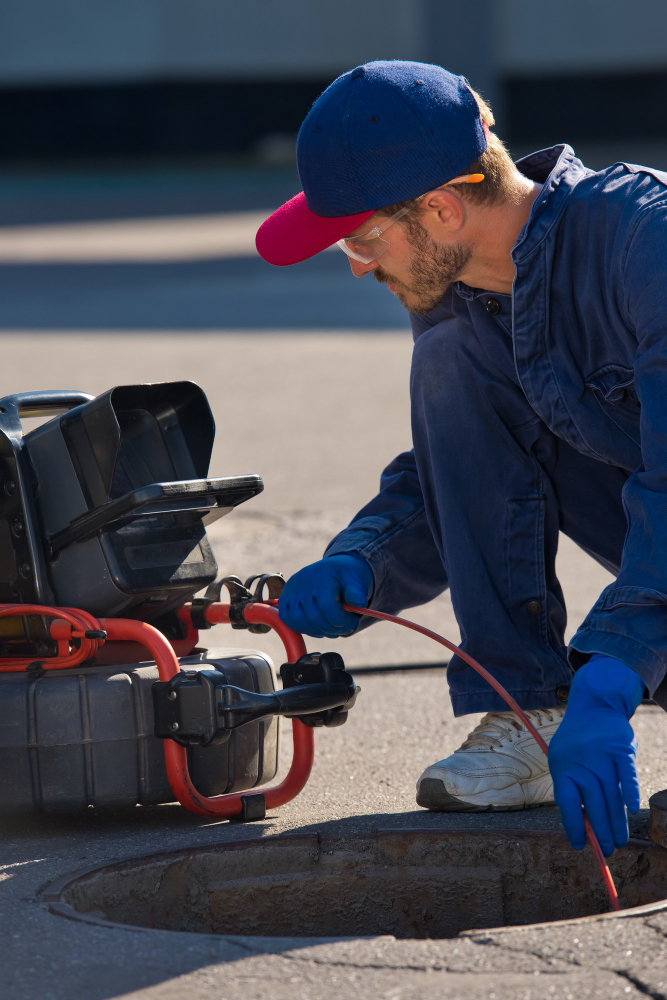
Camera inspections show exactly what exists inside your sewer lines before any work starts. This technology helps technicians identify blockage locations, pipe materials, and structural problems.
The video feed reveals the precise nature of clogs and whether hydro jetting is appropriate. You get documentation of your pipe conditions, which proves useful for insurance or property records.
Post-cleaning inspections confirm the job was completed properly. Your technician can verify that all debris cleared out and no damage occurred during the process. This step catches any issues immediately rather than discovering problems weeks later.
The camera also helps locate any remaining trouble spots that might need additional attention. Before and after footage provides a clear comparison of cleaning effectiveness.
Benefits of preventive sewer cleaning
Regular sewer line cleaning protects your home from expensive plumbing emergencies and keeps your system working properly. Residential sewer jetting services remove buildup before it turns into major problems.
Reducing the risk of sudden sewer backups
Sewer backups happen when pipes become blocked with grease, debris, roots, and mineral deposits. These materials build up slowly over time until water can no longer flow through your pipes. When a backup occurs, sewage can flood your basement or yard, creating health hazards and expensive damage.
Preventive cleaning removes these blockages before they cause problems. Hydro jetting uses high-pressure water to clear out everything inside your pipes. This method removes tree roots that grow into sewer lines, grease that hardens on pipe walls, and debris that accumulates over months or years. According to the EPA, an estimated 23,000 to 75,000 sanitary sewer overflows occur annually in the United States, many of them preventable through routine system cleaning and maintenance.
Shoreline’s climate makes regular cleaning especially important. Rain and storms wash sand and silt into underground lines. Cold weather causes grease to harden faster inside pipes. Regular residential sewer jetting services address these local conditions before they lead to backups.
Extending the lifespan of residential sewer systems
Clean pipes last longer than clogged ones. When debris builds up inside your sewer lines, it creates pressure points that stress the pipe material. Over time, this stress leads to cracks, leaks, and pipe collapse.
Sewer line cleaning removes the buildup that damages pipes. Hydro jetting cleans the entire interior surface without using harsh chemicals that can weaken pipe materials. The high-pressure water stream strips away scale, roots, and hardened deposits that would otherwise corrode or crack your pipes. According to the University of Maryland School of Public Health, sewage that enters homes through aging and failing pipes can harbor harmful bacteria for months after the initial event, reinforcing the importance of keeping sewer infrastructure clean and structurally sound.
Regular maintenance also helps you catch small problems early. During professional cleaning, technicians can spot areas of concern before they require expensive repairs or full pipe replacement. This saves you money in the long run.
Keeping drains flowing efficiently year-round
Your drains work best when pipes are fully clear. Even partial blockages slow down water flow and create drainage problems throughout your home. You might notice slow drains, gurgling sounds, or unpleasant odors coming from sinks and toilets.
Preventive hydro jetting restores full pipe capacity. The cleaning process removes all interior buildup, returning pipes to their original diameter. This means water flows freely through your system without restriction.
Regular cleaning also prevents new clogs from forming quickly. When pipes are completely clean, waste moves through faster and debris has less surface area to cling to. Most homes benefit from professional cleaning every 18 to 24 months, though older systems or homes with large trees nearby may need more frequent service.
Conclusion
Hydro jet sewer cleaning offers a reliable solution for maintaining your plumbing system in Shoreline, WA. This method uses high-pressure water to remove blockages, grease buildup, and debris from your pipes without harsh chemicals.
When you choose hydro jetting, you get a thorough cleaning that traditional methods can’t match. The process reaches deep into your sewer lines to clear stubborn clogs and prevent future problems.
Regular maintenance with hydro jetting can save you money over time. This service helps you avoid emergency repairs and extends the life of your sewer system. Most homeowners benefit from scheduling hydro jetting every 18 to 24 months, though your specific needs may vary based on usage and pipe condition.
When your Shoreline home needs professional hydro jet sewer cleaning, Seattle Select Sewers provides thorough camera inspections, calibrated high-pressure cleaning, and preventive maintenance plans to keep your drains flowing year-round.