Tree roots are one of the leading causes of sewer line problems in Kirkland homes. When roots break through pipe joints or cracks, they grow inside the line and create blockages that can lead to backups, slow drains, and expensive damage if not addressed quickly. This issue affects both older and newer properties, especially in areas with mature trees.
Kirkland’s mix of evergreens and deciduous trees makes root intrusion a common problem throughout the year. Roots naturally seek out moisture and nutrients, which makes your sewer lines an attractive target. Once inside, they expand and trap debris, creating stubborn clogs that get worse over time.
Root intrusion sewer cleaning in Kirkland requires professional equipment and techniques that go beyond standard drain snaking. Whether your home has decades-old clay pipes or newer PVC lines, knowing how roots enter your system, recognizing early warning signs, and scheduling the right service at the right time can save you from a full sewer emergency.
This guide covers how dry summers accelerate root damage, where roots enter your pipes, and what professional removal looks like in practice. Here’s what you’ll find below:
In this article, you will learn about:
- Impact of dry summers on sewer lines
- Entry points for tree roots
- Recognizing early signs of root intrusion
- Professional root removal and cleaning
- Preventive strategies for homeowners
Keep reading to find out how summer conditions drive root growth into Kirkland sewer lines, what the early warning signs look like, and how professional cleaning and prevention protect your home from costly damage.
Impact of dry summers on sewer lines
Kirkland’s dry summer months create conditions that push tree roots to search more aggressively for water sources, making your sewer lines a prime target. Soil contracts as it dries out, shifting pipes and opening new entry points for invasive roots.
How roots aggressively search for moisture in sewer lines
During dry summers, tree roots grow aggressively as they seek out water sources. Your sewer lines become attractive targets because they contain constant moisture and nutrients that trees need to survive.
Trees sense water vapor escaping from even the smallest cracks or loose joints in your pipes. Once roots detect this moisture, they grow toward the source with increased urgency during drought conditions. According to the EPA, tree roots entering through defects or openings in sewer lines are a leading cause of blockages that contribute to tens of thousands of sanitary sewer overflows each year across the country.
The roots start as thin, hair-like tendrils that slip through tiny openings. As they access the water inside your pipes, they expand and grow thicker. This growth creates larger cracks and eventually causes significant blockages.
Clay, cast iron, and Orangeburg pipes face the highest risk because they develop more cracks and weak points as they age. Modern PVC pipes resist root intrusion better, but no pipe type is completely immune when roots are desperate for moisture.
Why older, dry soil increases pipe vulnerability
Clay soil common in Kirkland contracts significantly during dry summer months. This shrinking creates gaps around your underground pipes, allowing them to shift and settle unevenly.
When pipes shift, the joints between sections can separate or crack. These new openings give tree roots easy access points to enter your sewer system.
The soil expansion and contraction cycle weakens pipe materials over time. Older pipes already stressed by decades of use become more brittle and prone to cracking during these seasonal changes. According to the Colorado Geological Survey, seasonal soil shrinkage and expansion cause billions of dollars in annual damage to underground infrastructure nationwide, affecting buildings, roads, and buried pipelines.
Pipes on hillside properties experience additional stress from soil movement. The combination of gravity, dry conditions, and natural settling increases the likelihood of structural damage.
Seasonal patterns that affect sewer line damage
Spring brings increased root growth as trees wake from winter dormancy. However, adequate rainfall typically keeps roots from aggressively seeking your pipes.
Summer creates peak risk conditions. The combination of active root growth and water scarcity drives roots to invade sewer lines most aggressively during July through September.
Fall sees continued root activity as trees prepare for winter. Roots may push deeper into established entry points in your pipes during this period.
Winter dormancy slows new root growth, but existing roots inside your pipes remain problematic. The damage created during summer months often manifests as winter backups when roots trap debris and waste.
Entry points for tree roots
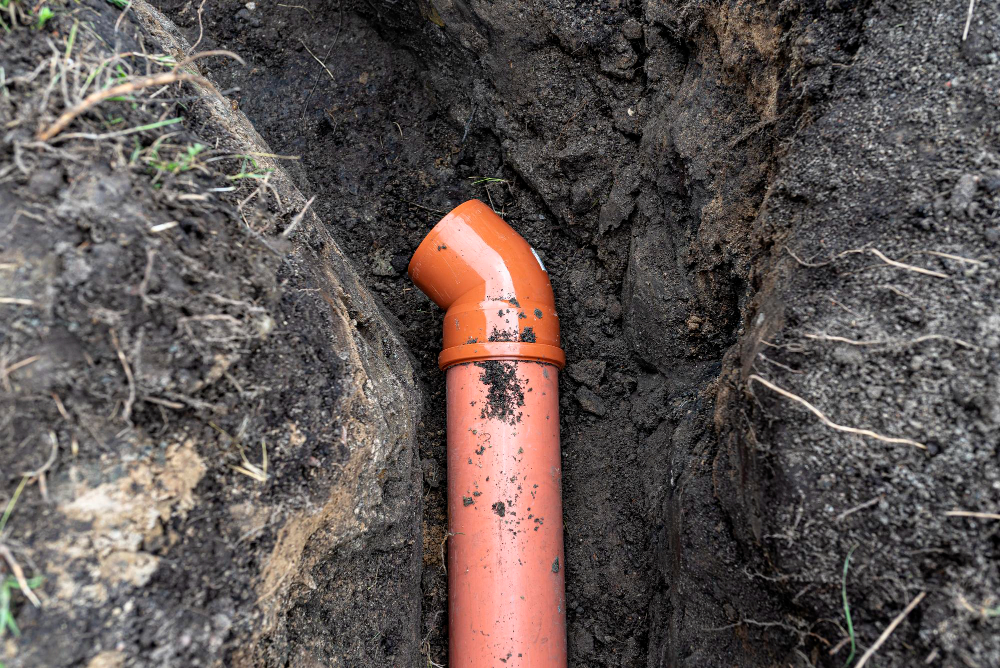
Tree roots enter sewer pipes through small cracks, deteriorated joints, and microscopic openings that worsen over time. These tiny entry points allow roots to infiltrate the pipe system, where they continue growing and causing extensive damage inside the line.
How minor pipe damage becomes a major entry point
Small cracks in your sewer line create the perfect opening for tree roots to invade. A hairline fracture gives roots enough space to detect moisture and begin penetrating the pipe. Once roots sense water vapor escaping from these small openings, they grow directly toward the source.
The roots force their way into cracks and expand as they absorb water. This expansion puts pressure on the damaged area and makes the crack wider. What started as a minor issue quickly becomes a significant breach in your pipe wall.
Common pipe vulnerabilities include:
- Deteriorated pipe joints where sections connect
- Small cracks from ground shifting or settling
- Corrosion spots in older clay or cast-iron pipes
- Loose seals at connection points
Older pipes in Kirkland are especially at risk because many were installed before 1980 using clay or cast-iron materials. These pipes develop weak points over decades of use, creating numerous opportunities for root intrusion.
The gradual expansion of root systems inside pipes
Roots start as thin, hair-like structures that slip through existing openings. They grow rapidly once inside because your sewer line provides constant moisture and nutrients from waste water. The roots branch out and form dense mats that cover the interior pipe walls.
These root masses catch debris flowing through the line. Toilet paper, grease, and other waste materials get trapped in the root network. The combination of roots and accumulated waste reduces water flow significantly. According to the EPA’s New England regional office, untreated sewage discharges frequently result from root, grease, and debris blockages combined with structural failures, and effective preventive maintenance programs have been shown to significantly reduce the frequency of these events.
The roots continue expanding in diameter as they mature. They form thick, woody structures that can completely fill the pipe interior. A root-damaged sewer pipe often shows multiple entry points where different root systems have invaded the same line.
Why recurring clogs often indicate root growth
You might notice your drains working fine after cleaning, only to slow down again within weeks or months. This pattern suggests roots are present in your sewer line. Traditional drain cleaning methods only clear the immediate blockage without removing the roots themselves.
Roots grow back quickly after mechanical cleaning. They regrow from the same entry points and reform obstructions in the pipe. The time between clogs gets shorter as the root system becomes more established.
Watch for these warning signs:
- Multiple drains backing up at once
- Gurgling sounds from toilets or drains
- Slow drainage throughout your home
- Sewage odors near fixtures
These symptoms occur because roots restrict flow at specific points in your sewer line. The blockage forces water and waste to back up into your home’s plumbing system.
Recognizing early signs of root intrusion
Root intrusion doesn’t cause sudden pipe failures. Instead, it creates gradual problems that start small and get worse over time, making early detection crucial for avoiding expensive repairs.
Multiple slow drains throughout the property
When tree roots enter your sewer line, you’ll notice drains moving slower than usual in multiple locations. This happens because roots create partial blockages that restrict water flow through your main sewer pipe.
A single slow drain usually means a problem with that specific fixture. Multiple slow drains throughout your home point to a main line issue. You might see water backing up in your bathtub when you run the washing machine, or your kitchen sink might drain slowly at the same time as your bathroom sink.
The problem often starts mild and gets progressively worse. Your drains might work fine for weeks, then suddenly slow down for a day or two before returning to normal. This inconsistent behavior occurs as roots grow and shift inside the pipe, sometimes blocking more water flow than other times.
Pay attention if you notice slow drainage in your lowest-level fixtures first. Roots typically affect these areas before upper-level drains because wastewater flows downward through your system.
Gurgling toilets and inconsistent flushing
Your toilet makes gurgling sounds when air gets trapped in your sewer line. Tree roots create blockages that prevent proper air flow, causing bubbles and strange noises during and after flushing.
You might hear these sounds coming from your toilet even when you’re using other fixtures. Running your washing machine or shower could trigger gurgling in a nearby toilet. This cross-fixture reaction confirms that roots are affecting your main sewer line rather than individual drain pipes.
Inconsistent flushing happens when roots partially block the line. Sometimes your toilet flushes normally, while other times it struggles to clear waste or takes multiple flushes to work properly. The water level in your toilet bowl might also fluctuate unexpectedly, rising higher than normal or dropping lower without explanation.
Sewer odors and drainage backups
Sewer gas smells indicate that your line isn’t draining properly. Roots create gaps and cracks where these odors escape into your yard or home. You might notice these smells near floor drains, in your basement, or around outdoor cleanout points.
Drainage backups are the most serious early warning sign. Water or sewage backing up into your bathtub, shower, or floor drains means roots have created a significant blockage. These backups often start small, with just a bit of water appearing in your lowest drains.
The backups may clear themselves temporarily as pressure builds and forces water past the roots. This doesn’t mean the problem is gone. Each backup indicates that roots are growing larger and the blockage is becoming more complete. Dark water containing waste material is an emergency that requires immediate professional attention.
Professional root removal and cleaning
Removing roots from sewer lines requires specialized tools and methods that go beyond basic drain cleaning. Professional plumbers confirm complete clearance through camera inspections and determine whether cleaning alone will solve the problem or if pipe repair is needed.
How specialized equipment removes root blockages
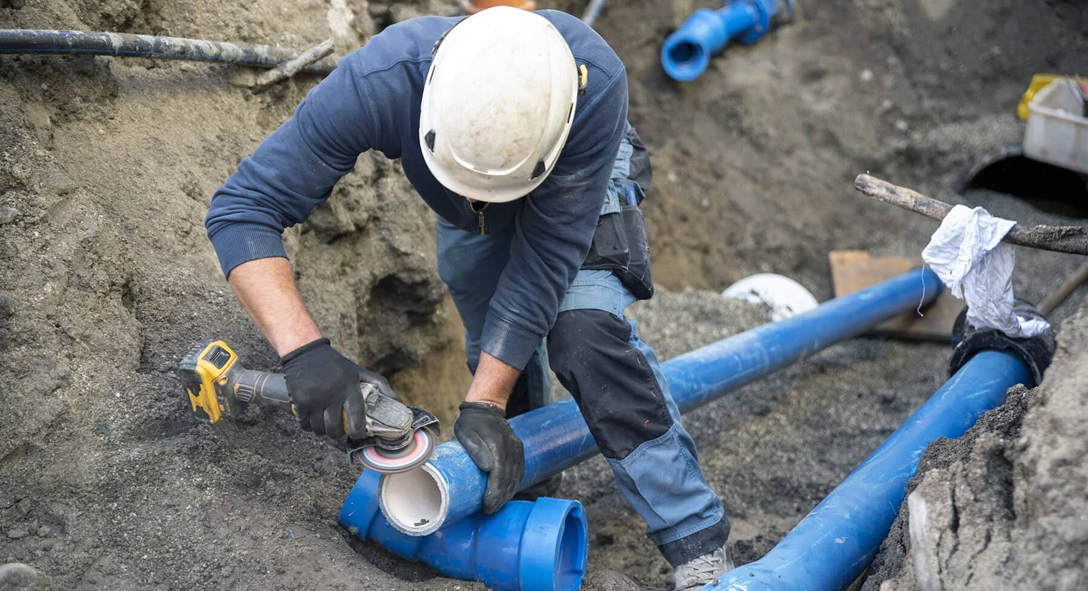
Professional sewer root removal uses two main tools to cut through and extract roots. A rooter machine with a cutting blade attached to a flexible cable spins at high speed to slice through roots inside the pipe. The sharp blades break apart root masses so they can flow out with wastewater.
Hydro jetting uses high-pressure water streams up to 4,000 PSI to blast away roots and debris. The water jet scours pipe walls clean and flushes root fragments completely out of the line. This method works well for tree root sewer cleaning because it removes both the blockage and buildup that helps roots grow back.
Your plumber selects the right tool based on pipe material, root size, and pipe condition. Cast iron and clay pipes need gentler treatment than PVC to avoid damage.
Sewer camera inspections to confirm full clearance
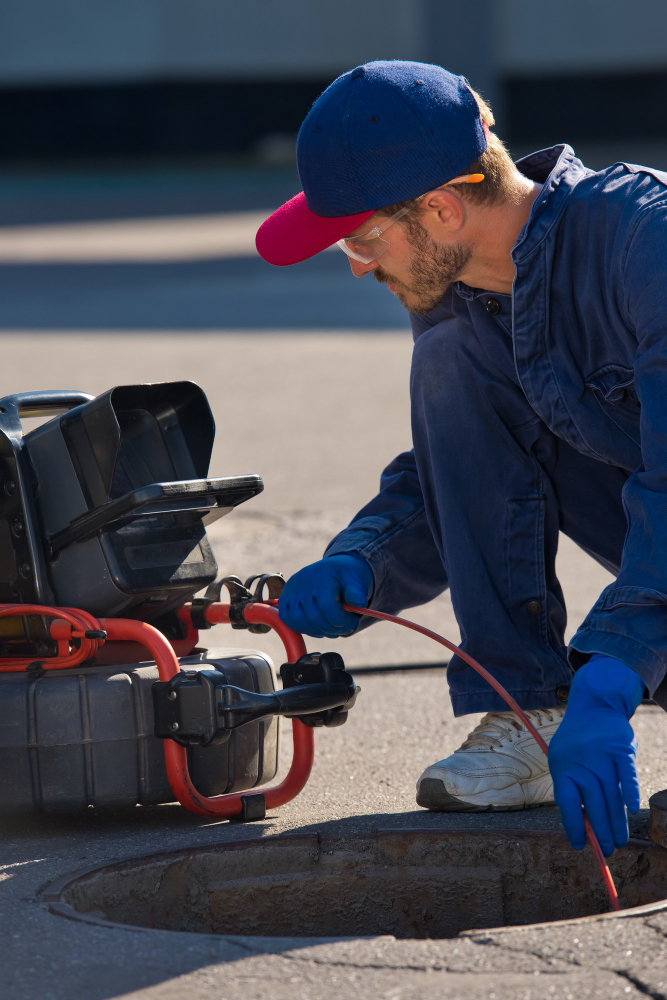
A sewer camera inspection shows whether cleaning removed all roots and how much damage they caused. The plumber feeds a waterproof camera through the cleaned line to view the entire interior on a monitor above ground.
The camera reveals any remaining root fragments, cracks where roots entered, and sections where roots damaged the pipe structure. This inspection confirms the line flows properly and identifies spots where roots will likely return. Many sewer line cleaning services include a camera check after cleaning to document the results.
When cleaning must be paired with repair or replacement
Root intrusion often cracks or breaks older pipes made from clay or cast iron. When camera footage shows significant pipe damage, cleaning only provides temporary relief. Roots will return quickly through the same entry points.
Situations requiring repair or replacement:
- Multiple cracks or holes in the pipe wall
- Sections that have collapsed or shifted
- Severe corrosion that weakens the pipe structure
- Joints separated by root pressure
Your plumber may recommend trenchless pipe lining to seal cracks from inside or excavation to replace damaged sections. Addressing both the roots and pipe damage prevents repeat blockages within months of cleaning.
Preventive strategies for homeowners
Protecting your sewer line from tree root damage requires regular maintenance, early detection of weak points, and smart long-term planning. These proactive steps can save you from expensive repairs and messy backups.
Routine sewer maintenance and inspections
Schedule professional sewer line cleaning every one to two years. This regular service removes small root growth before it becomes a major problem. Professionals use camera inspections to see inside your pipes and spot trouble areas early.
Annual camera inspections let plumbers identify cracks, loose joints, and early root intrusion. These visual checks show exactly where roots are entering your system. The inspection creates a detailed map of your sewer line’s condition.
Hydro jetting effectively clears existing roots and buildup from your pipes. This high-pressure water cleaning removes root masses that mechanical snaking might miss. Most homeowners benefit from combining inspections with regular cleaning to maintain clear lines.
Keep records of all inspections and maintenance work. Document any problem areas identified during camera inspections. This history helps track recurring issues and plan for future repairs.
Identifying vulnerable sections of sewer line early
Old pipes with clay or cast iron construction are most prone to root intrusion. These materials develop cracks and loose joints over time. Check your property records to determine your sewer line’s age and material.
Areas near mature trees pose the highest risk for root damage. Map out where large trees sit in relation to your sewer line path. Trees within 10 to 20 feet of the sewer line can send roots into pipes.
Warning signs of root problems include:
- Multiple slow drains throughout your home
- Gurgling sounds from toilets or drains
- Soggy spots in your yard above the sewer line
- Patches of unusually green grass
- Recurring backups despite recent cleaning
Act quickly when you notice these symptoms. Early intervention prevents small root intrusions from becoming complete blockages.
Long-term strategies for protecting underground pipes
Pipe relining creates a seamless barrier inside existing sewer lines. This trenchless method seals cracks and joints where roots typically enter. The relined pipe can last 50 years or more without root issues.
Replace severely damaged sections before they fail completely. Trenchless pipe replacement minimizes yard damage while installing new, root-resistant materials. Modern PVC pipes resist root intrusion better than older materials.
Plant new trees away from sewer lines. Choose slow-growing species with less aggressive root systems for areas near underground pipes. Small ornamental trees cause fewer problems than large species like willows or maples.
Install root barriers along your sewer line in high-risk areas. These physical shields direct roots downward instead of toward your pipes. Barriers work best when installed during new landscaping or pipe repair projects.
Conclusion
Root intrusion in your sewer lines requires professional attention to prevent costly damage. Trees naturally seek water sources, and your sewer pipes offer an attractive target through small cracks and joints.
Regular maintenance keeps your system running smoothly. Professional camera inspections identify problems before they turn into emergencies. Hydro jetting removes existing roots and clears blockages without damaging your pipes.
Kirkland’s mature trees and aging infrastructure create the perfect conditions for root intrusion. Older neighborhoods face higher risks because original pipes often have vulnerable joints and small cracks that allow root entry.
You have several treatment options available. Hydro jetting provides immediate relief by cutting through root masses. Trenchless repair methods fix damaged sections without extensive digging. Some situations may require pipe replacement to solve the problem permanently.
When your Kirkland home needs root intrusion sewer cleaning, camera inspections, or long-term pipe protection, Seattle Select Sewers provides the specialized equipment and expertise to clear roots, restore full flow, and prevent future damage.