Most homeowners do not think about their sewer cleanout until the line backs up and a contractor asks where it is. In many Seattle homes built before 1960, the honest answer is that there is not one, or that there is one somewhere that has not been opened in decades. That missing or inaccessible entry point turns what should be a straightforward diagnosis or cleaning job into a longer, more expensive process at exactly the moment when speed matters most.
In this article, you will learn what a cleanout is, why its location and condition affect every sewer service call, when adding one to an older home makes practical sense, and what a well-planned cleanout installation should address.
Here’s what you’ll find below.
- A missing cleanout can turn a simple sewer problem into a bigger job
- A sewer cleanout gives contractors a safer path to the problem
- Seattle homes often need cleanout access before repair decisions make sense
- Adding a cleanout to an older home can save money later
- Sewer cleanout repair or installation should be planned around the whole line
Keep reading to understand why cleanout access is not a minor detail, and what a properly placed cleanout does for every sewer service interaction the home will ever have.
A sewer cleanout is a capped access point installed on the side sewer lateral, typically a vertical riser with a removable plug, that allows a camera, a jetting hose, or a cable to enter the pipe without going through the building’s plumbing fixtures. In Seattle, cleanouts are the standard entry point for sewer inspections, hydro jetting, and trenchless repair work. Their presence, location, and condition directly affect what any of those services can accomplish.
A missing cleanout can turn a simple sewer problem into a bigger job
A line backup with accessible cleanout is a manageable service call. A line backup without one introduces a set of complications that slow the response and raise the cost before the actual problem has even been diagnosed.
Without access, cleaning and camera inspection take longer
When no cleanout is present or accessible, a contractor has three options for introducing equipment into the main lateral:
- Through a roof vent stack, which requires working from the roof and limits the camera or jetting equipment to a downward approach that may not reach the full run
- Through a pulled toilet, which means removing a fixture, working through the toilet flange, and reinstalling after the service is complete
- Through a small access pit excavated specifically to expose the pipe, which adds excavation and restoration cost to what should be a routine service call
Each of those alternatives adds time, labor, and in the case of excavation, real cost. A cleanout installed at the right location eliminates all three workarounds permanently.
Older homes may have no convenient way into the main line
Seattle homes built before the 1950s were frequently constructed without a cleanout on the main lateral, or with a cleanout located inside the basement in a position that does not allow camera or jetting equipment to reach the full run toward the street. Some of those homes had cleanouts added during later repairs that were positioned for convenience rather than coverage, leaving a significant section of the lateral inaccessible without additional excavation.
The result is a home where routine sewer maintenance and inspection cannot be performed as efficiently as they should be, and where any service call begins with a workaround. That friction compounds over time, particularly in a city where the pipe age and tree canopy make regular inspection and maintenance genuinely useful.
Emergency backups get harder to solve when the pipe cannot be reached
A backup at 9 PM is not the time to discover that the cleanout is buried under two feet of soil, that the cap has been painted over and sealed for thirty years, or that the only accessible entry point is inside a crawl space that has not been opened since the previous owners lived there. Emergency response depends on quick access. Anything that delays getting equipment into the pipe delays restoring the home to usable condition.
A cleanout that is above grade, accessible, correctly sized, and in working condition is a small infrastructure detail that pays for itself the first time a contractor can open the line in five minutes instead of forty-five.
A sewer cleanout gives contractors a safer path to the problem
The cleanout’s practical value is not limited to convenience. Its position in the pipe and the direction it faces determine what parts of the lateral can be serviced, at what quality level, and with what equipment.
What is a sewer cleanout becomes obvious the first time the line backs up
A cleanout is a Y-fitting or a tee installed in the main lateral, with a vertical riser extending to grade and a removable threaded or plug-style cap at the top. Equipment introduced through the cleanout travels in one direction, toward the street and the public main connection, which is the direction where most significant sewer problems in Seattle are found.
The cap keeps the cleanout sealed during normal operation, preventing odors and debris from escaping through the access point. It is designed to be opened by a contractor with the appropriate tools and resealed after the service is complete. A cap that has corroded, cracked, or been improperly sealed is a maintenance issue in itself, one that can cause odor intrusion or allow roots and groundwater to enter the access point over time.
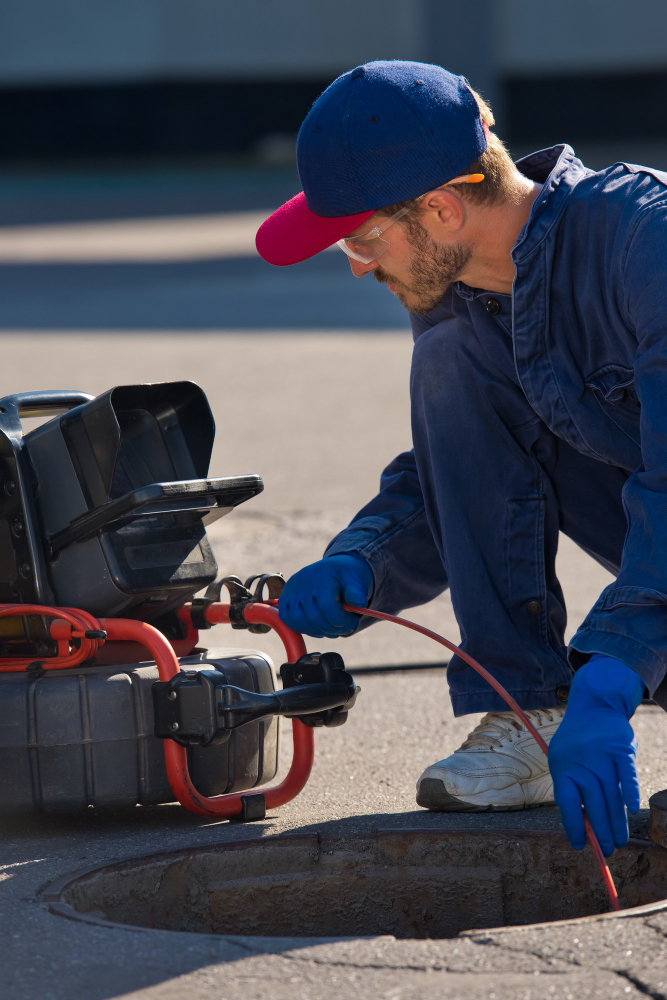
Camera scopes need access before they can show the real condition
A camera inspection conducted through a roof vent or a pulled toilet introduces the camera from the wrong direction, which limits what it can reach and how clearly it can document the pipe condition toward the street. It also makes distance measurement less reliable, because the camera is traveling through curves and transitions before it reaches the main lateral.
A camera introduced through a cleanout at the correct location enters the lateral directly and travels in a straight line toward the public main. The footage is cleaner, the distance counter is accurate from the access point, and the full run to the main connection can be documented in a single continuous pass. That footage quality matters when the report is being used to plan a repair, negotiate a real estate transaction, or document the pipe condition for future reference.
Hydro jetting and root removal work better from the right entry point
Hydro jetting through a cleanout allows the jetting hose and nozzle to enter the pipe at the correct angle and travel toward the blockage with the full operating pressure of the equipment available. Jetting through a roof vent or a pulled toilet adds friction and direction changes that reduce effective pressure at the nozzle by the time it reaches the main lateral.
Sewer root removal by jetting or mechanical cutting works most effectively when the equipment enters from a point that provides a clear, direct path to the root mass. A correctly located cleanout is that point. An improvised access workaround is not, and the difference is visible in how thoroughly the pipe is cleaned and how long the interval before the next service call needs to be.
Seattle homes often need cleanout access before repair decisions make sense
Cleanout access is not just a maintenance convenience. It is frequently the prerequisite for making any repair decision with confidence, because the camera footage that drives repair recommendations depends on being able to run the full lateral from a reliable entry point.
Sewer cleanout access Seattle jobs can reveal pipe layout and depth
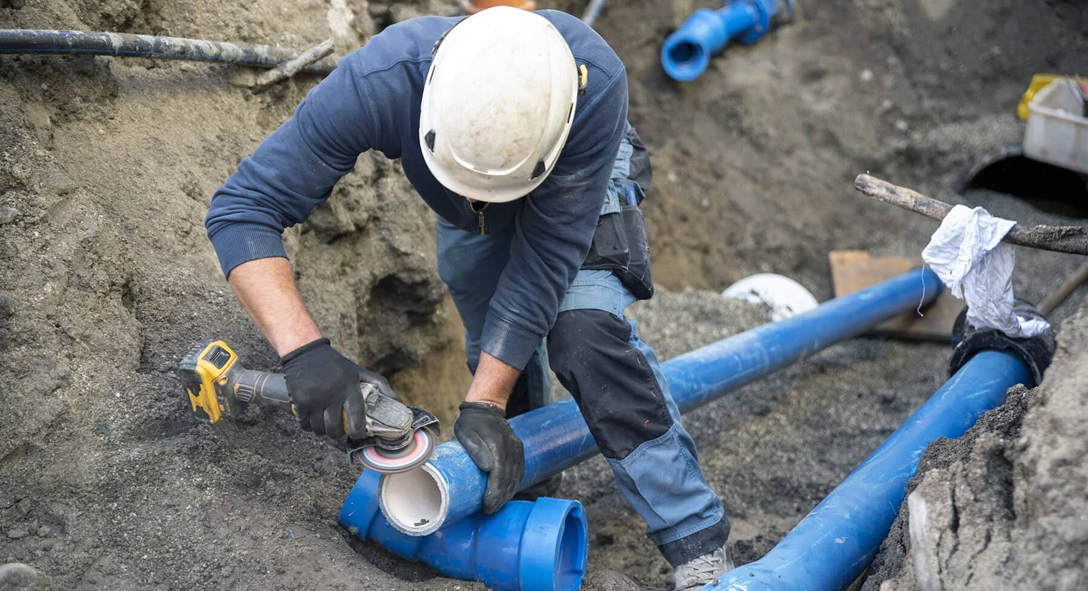
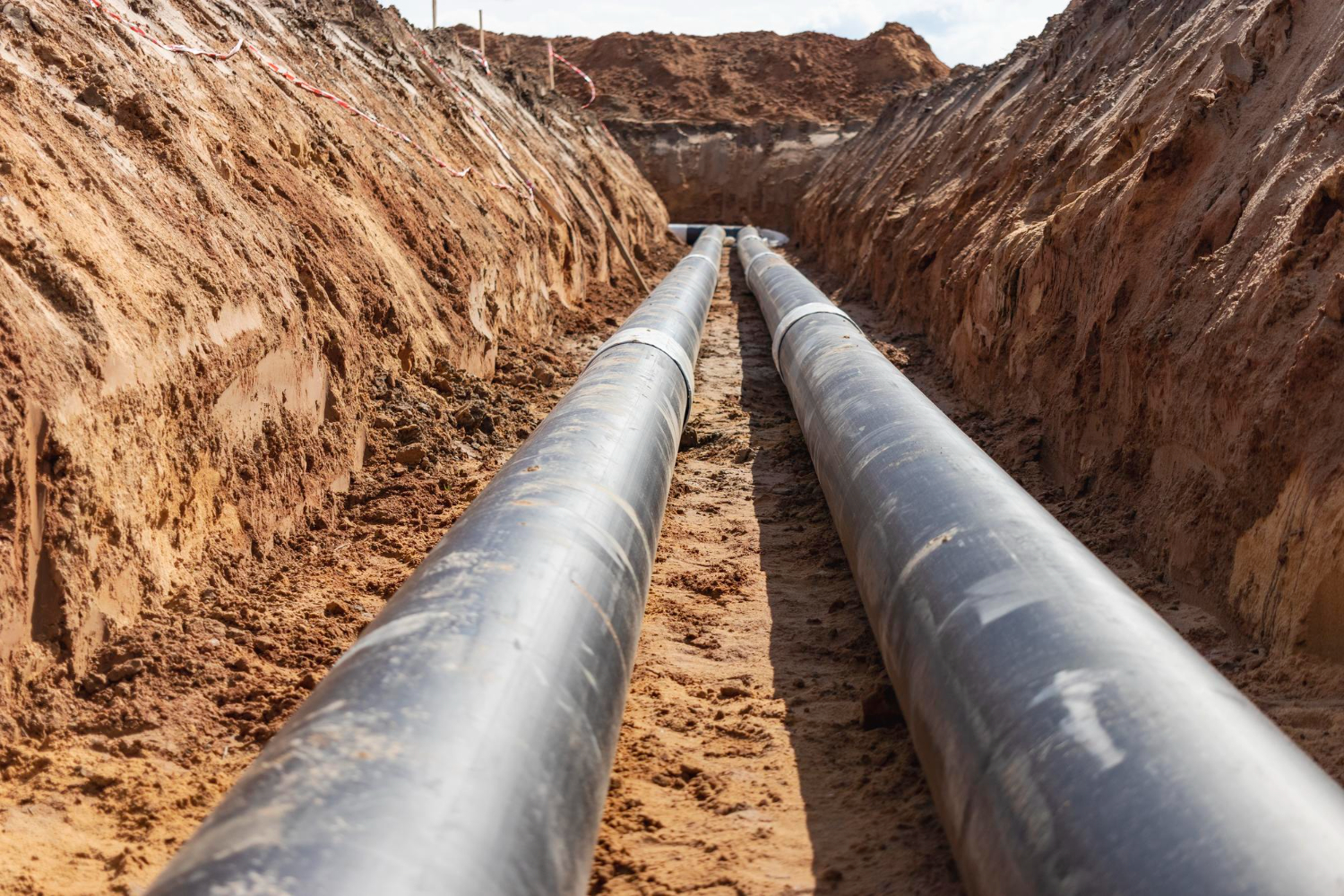
Installing a cleanout requires excavating to the main lateral, which produces direct information about the pipe: its actual depth at that location, the material it is made of, the condition of the exterior, and whether the pipe is running at the slope it was designed for. That information is useful independently of the cleanout itself, particularly in an older Seattle home where permit records may be incomplete or inaccurate about what is actually in the ground.
A cleanout installation job that turns up a section of Orangeburg pipe that was assumed to be clay tile, or a pipe at six feet of depth that was expected to be at three, is delivering diagnostic value beyond the access point it creates.
A buried or damaged cleanout can block inspection when you need it most
A cleanout that exists on paper but cannot be found at grade is functionally equivalent to no cleanout. Buried cleanouts are common in Seattle neighborhoods where landscaping has been added or modified over decades. A cleanout cap that was at grade when the house was built in 1948 may be under eight inches of soil and sod after seventy-five years of garden work.
A damaged cleanout, one where the riser has cracked, the cap threads have corroded, or the fitting has separated from the lateral, is a liability rather than an asset. Attempting to force a seized cap can damage the riser fitting and create a new repair scope. A cleanout repair that replaces the cap, extends the riser to current grade, and confirms the fitting integrity is a worthwhile service before any inspection or cleaning work is attempted.
Cleanout location affects future maintenance, repair, and emergency response
The location of the cleanout determines what section of the lateral it can service. A cleanout installed near the foundation can reach toward the street but cannot service the section of pipe between the building connection and the cleanout itself. A cleanout installed near the property line can reach the full lateral toward the street but may leave the section near the house difficult to access from the other direction.
For a lateral with a history of problems, or one where a repair has been performed at a specific location, having cleanouts on both sides of the repaired section, one near the house and one near the property line or right-of-way, creates a complete access picture that simplifies every future service interaction. That two-cleanout configuration is the standard Seattle Select Sewers recommends for laterals that are being rehabilitated, because it eliminates the access limitations that make future maintenance more complicated.
Adding a cleanout to an older home can save money later
The cost of installing a cleanout is a one-time expense. The value it generates is cumulative across every service call the home will have for the life of the lateral.
Add sewer cleanout to older home projects often happen after repeated backups
The most common trigger for a cleanout installation in an older Seattle home is a backup that was harder to service than it should have been. A contractor who had to pull a toilet, work through a roof vent, or excavate a small pit to access the line for emergency service will typically recommend a cleanout installation as the follow-up step, so the same access problem does not repeat.
That recommendation is sound. Installing a cleanout in the aftermath of a backup, when the area is already being worked, is more efficient than scheduling it as a standalone project later. If the backup required any excavation to diagnose, the cleanout can often be installed in the same access pit, combining two jobs into one mobilization.
Easier access can reduce labor for future sewer cleaning
A contractor who can open a cleanout cap and introduce a jetting hose in five minutes is not billing for the time it takes to pull a toilet, work through a vent stack, or dig an access pit. That labor difference adds up over a sewer line’s service life, particularly for a pipe in Seattle’s tree-heavy neighborhoods where periodic hydro jetting is a reasonable maintenance measure.
The cleanout installation pays for itself in reduced labor cost across a modest number of service calls. It also produces better service quality on each of those calls because the equipment enters the pipe from the right location rather than the most convenient improvised one.
A properly placed cleanout helps avoid unnecessary digging during diagnosis
A backup in a home without cleanout access sometimes requires excavating to the pipe just to introduce a camera and determine the cause. That excavation costs money, disturbs the yard, and may not even reach the problem location if the defect is further down the line than the access pit.
A cleanout at the right location eliminates that scenario. The camera enters the pipe, travels the full run, documents the defect location and type, and the diagnosis is complete without a shovel. If repair requires excavation, it happens at the defect location rather than at whatever point was convenient for access. That precision reduces the total disturbed area and keeps the repair scope focused on what actually needs to be fixed.
Sewer cleanout repair or installation should be planned around the whole line
A cleanout is not a standalone installation. Its value depends on where it sits relative to the full lateral, what it can reach in each direction, and how it integrates with the pipe’s existing configuration and any repair history.
The cleanout should face the direction contractors need to reach
A cleanout fitting can be oriented to direct equipment toward the street, toward the building, or in both directions with a wye fitting that allows access in either direction from a single riser. The correct orientation depends on where the problems in the line are likely to be, which is determined by the pipe’s history, the camera footage, and the location of any previous repairs or known defects.
A cleanout installed facing the wrong direction provides access to the section of pipe that does not need servicing and leaves the section that does need servicing inaccessible from the new entry point. Getting the orientation right is a planning decision that the contractor should discuss with the homeowner before excavation begins, based on what is known about the lateral’s condition and service history.
Poor placement can leave part of the sewer line hard to service
A cleanout installed at the foundation wall, oriented toward the street, leaves the building connection and the short interior section of pipe between the building trap and the cleanout inaccessible from that entry point. For most Seattle homes that section is short and has a low probability of problems. For homes with older cast iron interior pipe that connects to clay tile at the foundation, that transition point is a known vulnerability that benefits from accessible inspection.
Similarly, a cleanout installed well within the private property, without a second cleanout near the right-of-way, may leave the section of pipe between the cleanout and the public main connection serviced only from one direction. For a long lateral with a history of problems near the street connection, that limitation has practical consequences.
A good contractor explains access, code, restoration, and future use
Before a cleanout installation proceeds, the homeowner should understand four things: where the cleanout will be located and why that location was chosen, what the installation will require in terms of excavation and surface restoration, what code requirements apply under Seattle Public Utilities rules for the fitting type and riser height, and how the new cleanout will be used in future service calls.
A contractor who can explain the access picture for the full lateral, point to where each section can be serviced from the new cleanout, and describe what the finished installation will look like at grade is working from a complete plan. That conversation takes a few minutes and determines whether the installation produces the access it is intended to provide or just adds a cap in the yard that does not materially improve the serviceability of the line.
Conclusion
A sewer cleanout is infrastructure. It does not fix a broken pipe, clear a root mass, or correct a belly. What it does is make every service interaction with the pipe faster, more effective, and more accurately diagnostic. In a Seattle home where the lateral is clay tile, the trees are mature, and the pipe has never been camera-inspected, that access point is the difference between a service call that produces a clear diagnosis and a service call that produces a workaround.
The homes that benefit most from cleanout installation are the ones that have been managing sewer problems through improvised access for years, the ones where the contractor always ends up pulling a toilet or going through the roof, and the ones that have had repairs performed without a post-repair camera pass because getting the camera in was too complicated.
A cleanout installed correctly, at the right location, in the right orientation, at the right depth, is a permanent improvement to the serviceability of the lateral. It is also a small fraction of the cost of the repairs it will make easier, faster, and more precisely executed for every year the pipe remains in service.
If your Seattle home has no accessible cleanout, a cleanout that has not been opened in years, or a lateral that was repaired without good access documentation, contact Seattle Select Sewers to assess what access your line currently has and where a cleanout installation would provide the most value.