Sewer problems can cause major headaches for property owners in Everett, WA. Traditional repairs often mean digging up yards, driveways, or landscaping to access broken pipes. This creates a mess and adds time and money to the repair process.
Sewer pipe relining offers a way to fix damaged pipes without digging trenches across your property. This method uses special materials to create a new pipe inside the old one. The process takes less time than traditional repairs and protects your yard from damage.
If your Everett home is dealing with recurring backups, slow drains, or sewer odors, sewer pipe relining in Everett WA may be the most efficient path to a permanent fix. Understanding how the process works, what types of damage qualify, and how it compares to traditional excavation helps you make a confident decision about protecting your sewer system.
This guide covers the benefits of trenchless technology, how relining restores damaged pipes from the inside, and when it makes sense for your situation. Here’s what you’ll find below:
In this article, you will learn about:
- Minimizing disruption with trenchless sewer repairs
- Restoring damaged pipes internally
- Warning signs for Everett homeowners
- Comparing speed and impact of repair methods
- Advantages of pipe relining over replacement
Keep reading to find out how trenchless pipe relining works, what warning signs indicate your pipes need attention, and why this method delivers lasting results with less cost and disruption than traditional excavation.
Minimizing disruption with trenchless sewer repairs
Trenchless sewer repair offers homeowners a way to fix damaged pipes without tearing up yards, driveways, or landscaping. This modern approach saves time, reduces costs, and keeps your property intact during repairs.
Why traditional excavation is not always necessary
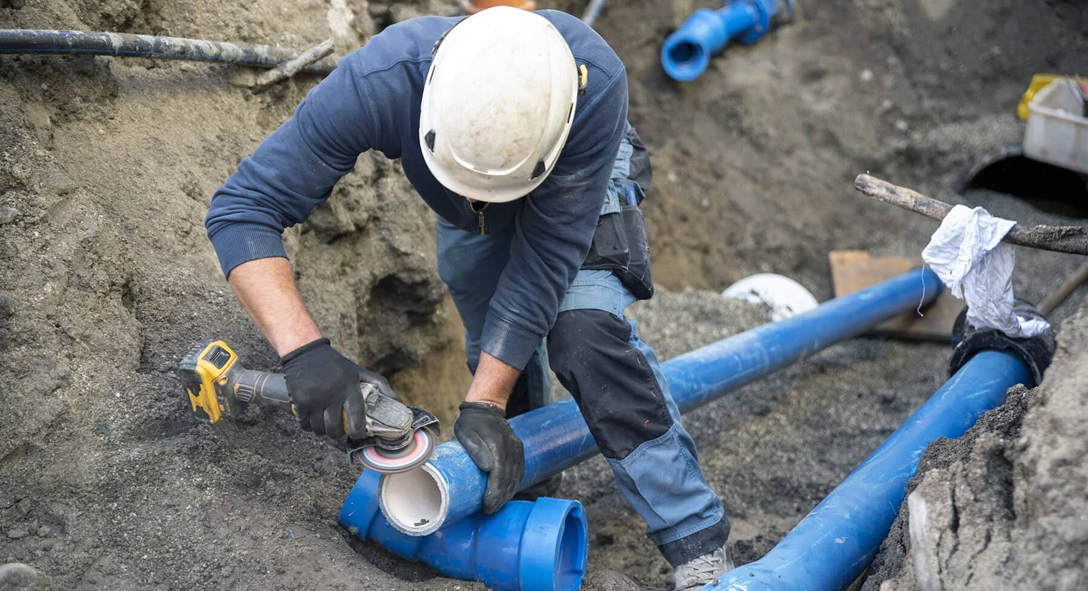
Traditional sewer repairs require digging long trenches across your property to access broken pipes. This method means removing soil, grass, plants, and sometimes concrete or asphalt just to reach the problem area.
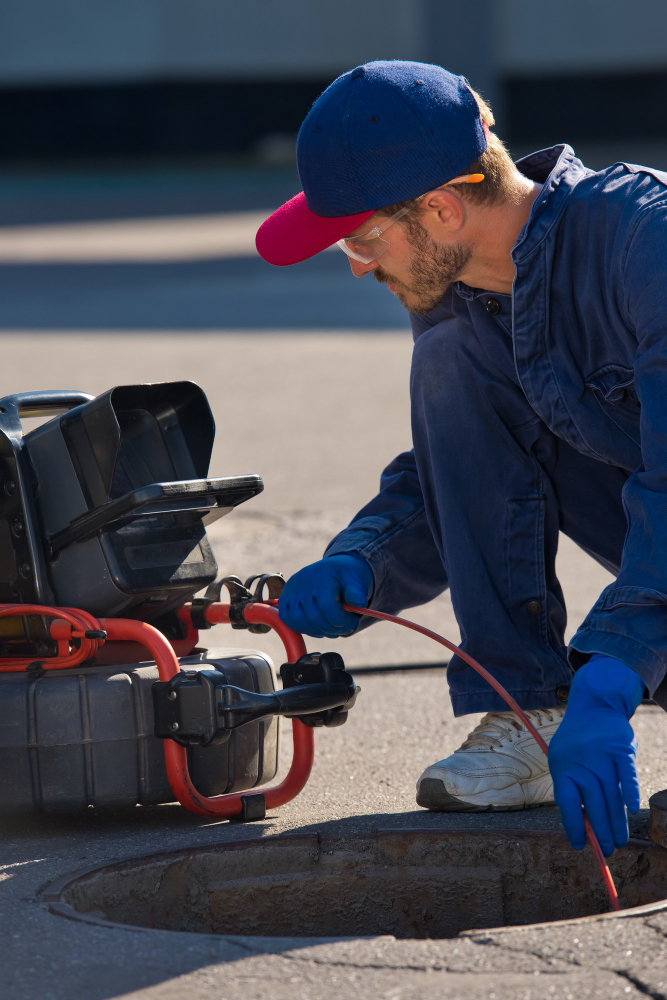
Trenchless technology uses existing access points like cleanout ports to repair pipes from the inside. A small camera inspects the pipe to locate damage. Then specialized equipment either inserts a new liner or breaks apart the old pipe while pulling in a new one.
Most sewer line problems can be fixed this way. Cracks, leaks, root intrusion, and corrosion all respond well to trenchless methods. You only need excavation when pipes have collapsed completely or when access points don’t exist.
Common concerns homeowners have about sewer repairs
Will my yard be destroyed? This is the top worry for most homeowners facing sewer repairs. Large trenches can ruin landscaping that took years to grow and establish.
How long will repairs take? Traditional excavation often requires several days or even weeks. You may not have access to certain parts of your property during this time.
What will this cost? Beyond the repair itself, traditional methods mean paying to restore your yard, driveway, or sidewalk after the work ends.
Can I stay in my home? Some homeowners worry they’ll need to leave during repairs or that they won’t have working plumbing.
How trenchless methods reduce property disruption
Trenchless sewer repair completes most jobs in one day. Technicians need just one or two small access points instead of a long trench running across your property.
Your landscaping stays intact. Trees, flower beds, walkways, and driveways don’t get disturbed. You avoid the expense of replanting grass, replacing concrete, or rebuilding hardscaping features.
The process is cleaner and quieter than traditional excavation. You won’t have piles of dirt sitting in your yard or heavy machinery tearing up the ground. Most families can stay home and use their plumbing with minimal interruption.
The repairs last just as long as traditional methods. According to an EPA retrospective evaluation of cured-in-place pipe technology, CIPP liners tested after more than two decades of service showed no reason to expect they would not last for their intended 50-year lifespan and potentially beyond. You get permanent results without the mess and extended timeline of digging.
Restoring damaged pipes internally
Sewer line relining in Everett creates a new pipe inside your damaged one without digging up your yard. This method uses special materials to seal cracks and restore proper flow through your existing pipes.
How resin lining creates a new internal pipe structure
The relining process builds a pipe within your existing pipe using resin-saturated materials. A flexible tube coated with epoxy resin gets inserted into your damaged sewer line. This liner gets positioned exactly where your pipe needs repair.
Once in place, the liner inflates to press against the inside walls of your old pipe. The resin then cures and hardens through heat or UV light. This creates a smooth, seamless pipe inside your original one.
The new resin pipe bonds to your existing pipe walls and seals all cracks, holes, and gaps. It typically measures 3 to 6 millimeters thick but provides strength comparable to new PVC pipe. The cured lining resists corrosion, root intrusion, and normal wear for 50 years or more.
What types of sewer damage can be relined
Relining works for many common sewer problems. Cracked or broken pipes caused by settling soil or tree roots get fully sealed with the new liner. Small holes and gaps close completely when the resin cures.
Corroded pipes made from cast iron or clay benefit from relining since the new interior surface stops further deterioration. Root-damaged sections get reinforced without removing the invasive roots first.
Offset or misaligned joints in your sewer line can be smoothed over with the continuous liner. Minor bellies or sags that slow drainage get improved with the smooth interior surface. However, completely collapsed pipes or severe offsets exceeding two inches typically need excavation instead of relining.
The process of preparing a pipe for relining
Your plumber starts with a camera inspection to identify all damage locations and measure pipe dimensions. This video shows exactly what repairs your sewer needs.
The pipe must be thoroughly cleaned before relining begins. High-pressure water jets remove grease, scale, debris, and minor root intrusions. Some pipes need mechanical cleaning tools to scrape away hard buildup.
After cleaning, another camera inspection confirms the pipe is ready. Your plumber measures the damaged sections to cut the liner to the correct length. They mix the two-part epoxy resin and saturate the liner material completely before installation begins.
Warning signs for Everett homeowners
Damaged sewer pipes often show clear signs before they fail completely. Recognizing issues like repeated backups, visible cracks, and unusual smells helps you decide when residential sewer relining services might prevent larger problems.
Recurring sewer backups and slow drainage
When your drains repeatedly back up or water drains slower than normal, your sewer line likely has blockages or damage inside. You might notice toilets gurgling when you run water in other fixtures. Sinks and tubs may take several minutes to empty instead of draining quickly.
These problems often start small but get worse over time. A drain that clogs once every few months can turn into weekly backups. Multiple fixtures draining slowly at the same time points to an issue in your main sewer line rather than individual drain problems.
Tree roots, pipe corrosion, and structural damage all cause these symptoms. If you need a plumber to clear your drains more than twice a year, your pipes may have cracks or gaps that let debris collect. Relining creates a smooth interior surface that prevents future buildup.
Cracks and root intrusion inside sewer lines
Small cracks in your sewer pipes let tree roots push inside searching for water and nutrients. The roots grow larger and create blockages that stop wastewater from flowing properly. You might see patches of unusually green grass above your sewer line where leaking water fertilizes the soil.
Older clay and concrete pipes crack as they age or shift with ground movement. Even small openings allow roots from nearby trees and shrubs to enter your system. Once inside, roots branch out and can fill the entire pipe diameter. According to the EPA, tree roots entering through defects or openings in sewer lines are a leading cause of blockages that contribute to sanitary sewer overflows across the country.
A camera inspection shows exactly where cracks and roots exist in your line. Relining seals these openings from the inside without digging up your yard. The epoxy liner blocks root access and stops further intrusion.
Foul odors and inconsistent wastewater flow
Sewer gas smells in your home or yard indicate cracks or breaks in your sewer line. These odors smell like rotten eggs and occur because damaged pipes let gases escape instead of venting properly through your roof. You might notice the smell near drains, in your basement, or in specific areas of your yard.
Wastewater that flows normally one day but backs up the next suggests partial blockages or deteriorating pipe walls. The problem appears random because debris shifts inside damaged sections of pipe. Standing water in your yard or soggy spots that never dry also point to leaking sewer lines underground.
These warning signs mean your sewer system needs professional inspection. Relining repairs the damaged sections and restores proper flow without the cost and disruption of full pipe replacement.
Comparing speed and impact of repair methods
Traditional pipe replacement requires heavy digging, while relining works inside your existing pipes. This difference affects how long repairs take and how much your property is disturbed.
Reduced excavation and shorter project timelines
Trenchless relining completes most repairs in one to two days. Traditional replacement often takes four to seven days because crews need time to dig trenches, remove old pipes, install new ones, and refill the excavation.
No dig pipe repair methods skip the lengthy excavation process. Instead, technicians insert a liner through existing access points in your sewer system. The liner cures in place and creates a new pipe inside the old one.
Your daily routine faces fewer interruptions with relining. You can typically use your plumbing system again within 24 hours. Traditional methods require you to avoid certain fixtures for several days while work continues.
The speed difference matters during emergencies. When you have a damaged sewer line, faster repairs mean less risk of sewage backups and water damage to your property.
Less disruption to landscaping and driveways
Relining preserves your yard because technicians only need access to one or two existing entry points. Traditional replacement requires digging a trench along the entire pipe route, which tears up lawns, gardens, and planted areas.
Your driveway and hardscaping stay intact with trenchless methods. Crews don’t need to break through concrete or pavers to reach damaged pipes underneath.
Trees and shrubs near your sewer line face no risk during relining. Traditional excavation can damage root systems and require removing plants in the work area. This affects the mature landscaping you’ve spent years developing.
Lower restoration needs after completion
Relining eliminates most restoration work. You won’t need to reseed grass, replace plants, or repair irrigation systems damaged by digging.
Traditional replacement leaves significant cleanup requirements. You’ll need to fill and compact trenches, replace removed soil and sod, repair concrete or asphalt surfaces, reconnect landscape lighting and sprinklers, and replant damaged vegetation.
These restoration costs add thousands of dollars to traditional repair bills. The work also extends your project timeline by days or weeks. Your yard may look disrupted for months while grass regrows and plants reestablish.
Relining keeps your property looking the same before and after repairs. This benefit matters if you plan to sell your home soon or take pride in your landscape’s appearance.
Advantages of pipe relining over replacement
Pipe relining offers significant benefits for property owners in Everett dealing with damaged sewer lines. The method saves money, extends pipe life, and protects against future problems without the disruption of traditional replacement.
Increased pipe durability and lifespan
Relined pipes often last 50 years or more after restoration. The epoxy resin used in the relining process creates a seamless interior surface that’s stronger than many original pipe materials.
The new liner bonds directly to the existing pipe walls. This creates a pipe-within-a-pipe structure that can handle normal sewer flow and pressure. The cured epoxy becomes extremely hard and resistant to wear. According to an EPA study on wastewater collection system rehabilitation, pilot testing on CIPP samples from sewers that had been in service for over two decades found them in excellent condition, supporting the technology’s projected service life.
Unlike older clay, cast iron, or concrete pipes, the relined surface won’t degrade from chemicals in wastewater. The smooth interior also prevents buildup that can reduce flow capacity over time. Your restored sewer line maintains consistent performance for decades after the relining work is complete.
Resistance to future root intrusion and corrosion
The seamless epoxy liner eliminates the joints and cracks where tree roots typically enter sewer lines. Roots seek out moisture and nutrients through these weak points, but a properly installed liner leaves no entry spots.
The resin material itself resists root penetration. Even aggressive root systems can’t break through the cured epoxy barrier. This protection is especially valuable in Everett neighborhoods with mature trees.
Corrosion damage stops completely after relining. Metal pipes won’t rust further, and concrete pipes won’t continue deteriorating from acidic wastewater. The epoxy coating creates a chemical barrier between your waste stream and the original pipe material.
Cost efficiency compared to full pipe replacement
Pipe relining typically costs 30 to 50% less than full replacement when you account for all expenses. Traditional replacement requires excavation that damages driveways, sidewalks, landscaping, and sometimes interior floors.
Cost factors avoided with relining:
- Concrete or asphalt removal and restoration
- Landscape replacement and soil repair
- Interior flooring repairs if pipes run under buildings
- Extended labor time for digging and backfilling
- Permits and fees for extensive excavation work
You complete sewer pipe restoration faster with relining. Most projects finish in one or two days instead of a week or more. Your property remains intact, and you avoid paying contractors to restore everything disturbed by traditional dig-and-replace methods.
Conclusion
Sewer pipe relining offers you a smart solution for fixing damaged pipes in Everett, WA. This method creates a new pipe inside your old one using epoxy materials. You avoid the mess and cost of digging up your yard.
The process works well for many common pipe problems. Cracks, corrosion, and root damage can all be fixed without major excavation. Your property stays intact while professionals repair the pipes from the inside.
The technology has improved over the years. Modern materials create strong, smooth pipe linings that resist future damage. You get a reliable fix without the traditional hassles of pipe replacement.
When you face sewer line issues, relining gives you options. Not every pipe qualifies for this method, but many do. Getting your sewer pipes assessed early helps prevent bigger problems later.
When your Everett home needs sewer pipe relining or trenchless repair, Seattle Select Sewers provides camera inspections, professional CIPP installation, and expert guidance to determine the best solution for your specific situation.