A sewer emergency does not start the moment wastewater appears in your basement. It starts months or years earlier, underground, inside a pipe you have never seen. A crack widens. A root grows a little thicker.
A layer of grease catches another layer of debris. None of it is visible, and none of it announces itself until the pipe can no longer move what it needs to move. Knowing how to prepare for sewer emergencies in Renton means understanding what leads up to that moment and taking action while you still have time and options.
Renton’s housing stock spans a wide range of eras, from early twentieth-century homes in the downtown core and North Renton to postwar development along the hills near Kennydale and Benson Hill, and newer construction in Fairwood and the Highlands.
The City of Renton implements annual sanitary sewer rehabilitation and replacement projects across the city as part of its ongoing capital improvement program, replacing old and failing infrastructure selected based on the severity of issues found during inspections. That work addresses the public mains, but the private side sewer running from your home to the city connection is your responsibility, and many of those laterals are the same age as the mains the city is replacing.
The good news is that a sewer emergency is almost always preventable. The pipe sends warning signs before it fails completely, and a single camera inspection can tell you whether you are years away from a problem or weeks away from one. This article walks you through the warning signs, the immediate response if an emergency does occur, and the practical steps that keep most homeowners from ever reaching that point.
In this article, you will learn about:
- The reasons sewer emergencies happen more often than Renton homeowners expect
- Red flags your sewer line sends before a full emergency hits
- What a sewer emergency actually looks like and what to do first
- The inspection that tells you exactly where your pipe stands
- Repairs that fix the problem instead of just buying time
- Steps you can take right now to lower the odds of an emergency
Keep reading to learn how to protect your Renton home from one of the most expensive, disruptive, and preventable problems a homeowner can face.
The reasons sewer emergencies happen more often than Renton homeowners expect
Sewer emergencies are not freak events. They follow a pattern, and Renton’s combination of older infrastructure, aggressive root systems, and persistent wet weather creates the conditions for that pattern to play out across neighborhoods citywide.
Decades-old pipes sitting under neighborhoods that have changed around them
Many of the sewer laterals under Renton homes were installed when the homes were built, and they have not been touched since. Pre-1950s homes in North Renton and the downtown core often have vitrified clay pipes with mortar joints that have been deteriorating for the better part of a century. Mid-century homes near Kennydale and along the hills commonly have cast iron laterals, and some lower-cost developments from that era used Orangeburg, a tar-paper pipe that was never meant to last more than a few decades.
The neighborhoods above these pipes have changed. Kitchens and bathrooms have been remodeled. Additions have been built. Landscaping has matured. But underground, the pipe that carries every drop of wastewater out of the house is often the same one that went into the ground 50 or 60 years ago.
Root systems, shifting soil, and a climate that never lets up
Renton sits on a mix of glacial till on the hills and sandy, erosion-prone soil in the lower elevations near the Cedar River. The till does not drain well and shifts with seasonal moisture, putting mechanical stress on pipe joints. The sandy soil near the river erodes more easily, causing pipes to sag and settle. Both conditions accelerate deterioration in pipes that are already aging.
The Pacific Northwest’s rainfall keeps the ground saturated for months at a time, which does two things. It invites roots toward any pipe that leaks even a trace of moisture, and it allows groundwater to infiltrate cracked pipes, adding volume to a system that was not designed for it. Renton’s mature Douglas firs, maples, and street trees compound the root problem. Their root systems reach 20 to 30 feet from the trunk, and a sewer line within that radius is a target.
The one pipe you own that you have probably never thought about
According to FEMA, the lateral connection from your home to the local sewer system is your property and your responsibility to keep in serviceable condition. If the lateral is blocked, sewage may back up into your home even when the public sewer main is functioning normally. Most homeowners do not think about this pipe until something goes wrong, and by then the options are more limited and more expensive than they would have been with a proactive inspection.
Red flags your sewer line sends before a full emergency hits
A sewer line almost never fails without warning. The symptoms start small and build over time, and learning to read them is the simplest form of emergency preparation.
Drains that slow down across more than one fixture at a time
A single slow drain is a local clog, usually hair or soap in a branch line. But when the kitchen sink, a bathroom shower, and a basement floor drain are all sluggish at the same time, the restriction is in the main sewer line. That shared slowdown means something is narrowing the pipe downstream of every fixture in the house, whether it is a root mass, a buildup of grease, or a structural defect that is catching debris.
Pay attention to the lowest fixtures first. Floor drains, basement sinks, and ground-level bathtubs sit closest to the main line and show symptoms earliest. If the basement drain gurgles or backs up slightly every time the washing machine runs, the pipe is telling you something.
Sounds and smells that do not belong in your plumbing
Gurgling toilets, bubbling drains, and sewer odors from floor drains are all indicators that air and gas are being forced backward through the system by a partial blockage. A healthy sewer line is sealed and silent. When you hear or smell things coming from it, the seal is broken somewhere, and the cause is worth investigating before it escalates.
Common combinations that point toward a main line issue:
- A toilet gurgles when you run the bathtub on the same floor
- A sulfur smell appears near floor drains during or after heavy rain
- Multiple fixtures produce bubbling sounds when a large appliance drains
Backups that clear on their own but keep coming back
This pattern is the most dangerous one to ignore. A partial blockage allows wastewater to push past slowly, so the backup seems to resolve itself after an hour or two. But the obstruction is still there, and it grows a little larger each time. These self-clearing backups tend to happen with increasing frequency until the line blocks completely and the backup has nowhere to go but into your home.
If a plumber has snaked your line and the problem returns within a few months, the issue is structural, not behavioral. Snaking punches a hole through the blockage but does not fix the root intrusion, the cracked joint, or the belly that caused it in the first place.
What a sewer emergency actually looks like and what to do first
When a full backup happens, speed matters. The first few minutes determine how much damage occurs and how much cleanup you will need afterward.
Stop running water the moment you see sewage in the house
Every gallon of water that enters your drain system after a backup begins adds to the volume coming back into the house. Turn off the washing machine. Do not flush toilets. Do not run sinks. Stopping water use immediately limits the extent of the flooding and buys time until a professional arrives.
Keep your family and pets away from the contaminated area
Raw sewage carries bacteria, viruses, and parasites that pose real health risks. According to FEMA, anyone cleaning up after flooding or sewage exposure should wear protective clothing including gloves, boots, and masks, and all objects that came into contact with contaminated water should be cleaned and sanitized. Porous materials like carpet, cushions, and upholstered furniture that contact sewage typically cannot be salvaged.
Keep children, elderly household members, and pets out of the affected area entirely. Open windows for ventilation if the backup is in an enclosed space, but do not turn on the HVAC system, which can circulate contaminated air throughout the house.
Call a sewer specialist, not a general handyman
A sewer backup requires someone with the equipment to diagnose and address the main line. A general plumber who only snakes the drain may restore flow temporarily, but without a camera inspection to identify the root cause, the problem will return. A sewer specialist will scope the line, locate the blockage or failure, and recommend a repair that addresses the actual condition of the pipe.
The inspection that tells you exactly where your pipe stands
A camera inspection is the single most effective tool for preventing a sewer emergency, and it is equally valuable after one. It replaces guesswork with documented facts about the interior condition of your pipe.
What a camera scope shows that no other tool can
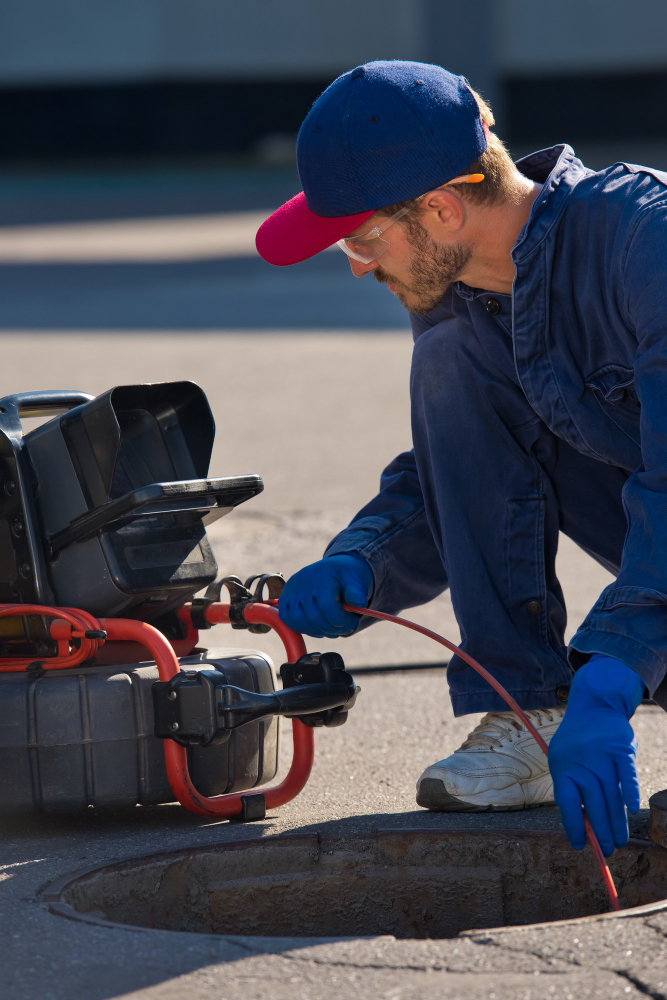
During a sewer camera inspection, a technician feeds a high-definition camera through the line and records the interior condition of the pipe in real time. The camera identifies:
- Root intrusion at joints and cracks, from fine tendrils to dense masses
- Corrosion, cracks, fractures, and erosion of the pipe wall
- Sags and bellies where the pipe has lost its slope
- Offset joints where pipe segments have shifted apart
- Grease, scale, and debris narrowing the line
- Collapsed sections where the pipe has failed structurally
Each finding is documented with its location along the line, giving you and your contractor a precise map of what needs attention and where.
Turning the findings into a repair plan you can act on
The camera footage and written report serve as the foundation for every decision that follows. If the pipe is in good condition, you get peace of mind and a baseline for comparison in future inspections. If early-stage issues are found, a maintenance schedule with periodic hydro jetting and follow-up scoping may be all you need. If the damage is significant, the report tells you exactly what repair approach fits the situation, and you can plan the work on your terms instead of scrambling during an emergency.
Repairs that fix the problem instead of just buying time
The right repair depends on what the camera found. Each approach addresses a different level of damage, and choosing correctly means solving the problem once rather than cycling through temporary fixes.
Hydro jetting when the pipe is sound but the flow is not
When the camera shows a blockage in a structurally sound pipe, high-pressure hydro jetting clears the full diameter of the line. Unlike a mechanical snake that punches a narrow hole through the obstruction, jetting scours the pipe walls and removes roots, grease, scale, and debris completely. A follow-up camera pass confirms the pipe is clean and intact.
Trenchless lining to give a failing pipe a second life
If the camera reveals cracks, root entry at multiple joints, or corrosion that will continue to invite problems, clearing the line alone is temporary. Trenchless pipe lining inserts a resin-coated liner that cures into a seamless, jointless new pipe inside the old one. The liner seals every crack and entry point, restores structural integrity, and gives the line decades of additional service without digging up the yard.
Full replacement for pipes that are past the point of repair
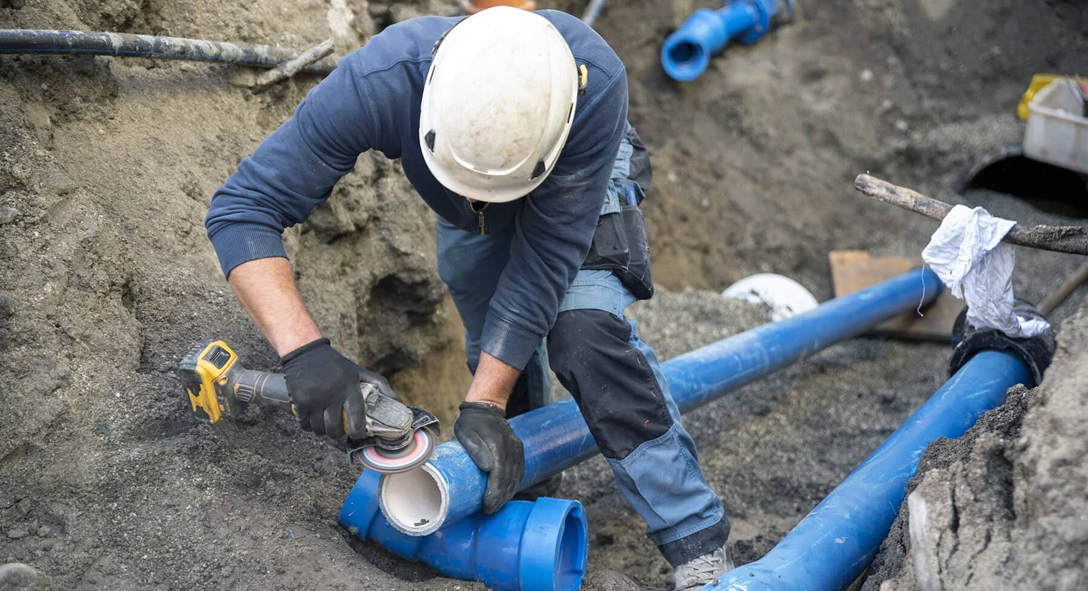
When the pipe has collapsed, severely sagged, or deteriorated beyond what a liner can bond to, a full sewer line replacement is the permanent solution. Modern replacement materials like HDPE and PVC are fused at every joint, making them highly resistant to root intrusion and ground movement. For isolated damage in an otherwise sound pipe, a spot repair addresses only the failed section without replacing the entire run.
Steps you can take right now to lower the odds of an emergency
A sewer emergency is almost always the end result of a problem that built up over time. Cutting into that timeline at any point reduces the odds of reaching the emergency stage.
Schedule a camera inspection before you need one
If your Renton home was built before the 1980s and the sewer line has never been scoped, a baseline inspection is the most impactful step you can take. It tells you whether your pipe is in good shape, developing problems, or heading toward failure. That knowledge alone puts you in a completely different position than the homeowner who discovers the problem during a midnight backup.
Change what goes down your drains and what gets flushed
Household habits have a direct impact on how quickly blockages develop. A few consistent practices make a real difference over time:
- Never pour cooking grease, oil, or fat down the drain. Let it cool and scrape it into the trash.
- Only flush toilet paper. No wipes of any kind, no feminine products, no cotton swabs.
- Use drain screens in sinks and showers to catch hair and food debris before it enters the line.
- Avoid pushing large volumes of food waste through the garbage disposal in a single batch.
These habits do not prevent root intrusion or pipe corrosion, but they eliminate the most common household contributors to blockages and extend the time between professional cleanings.
Ask about a backwater valve if your home sits in a low area
A backwater valve is a one-way device installed on your sewer line that allows wastewater to flow out but prevents it from flowing back into the house. For Renton homes in lower-lying areas near the Cedar River or in neighborhoods that have experienced wet-weather surcharging, a backwater valve can be the last line of defense between an overloaded system and sewage on your basement floor. Not every home needs one, but a sewer professional can evaluate whether your location and pipe configuration make it a smart investment.
Know where your cleanout is before the emergency starts
A cleanout is the capped access point on your sewer line, usually located near the foundation or in the yard. It is how a technician accesses the pipe for inspections and emergency service. If you do not know where yours is, find it now. Clear any vegetation or debris covering it so it is accessible on short notice. If your home does not have a cleanout, a sewer contractor can install one, which improves access for both routine maintenance and emergencies.
Conclusion
Sewer emergencies are expensive, disruptive, and stressful, but they are rarely unavoidable. The pipe under your Renton home gives warning before it fails. The technology to see inside that pipe and assess its condition exists and is affordable. The repairs that stop a developing problem before it becomes a crisis are almost always less invasive and less expensive than the emergency alternative.
Whether you are dealing with warning signs right now or simply want to know where your pipe stands before the next wet season, a single inspection puts you in control. The homeowners who avoid emergencies are the ones who look before the pipe forces them to.
Seattle Select Sewers provides sewer inspections and repairs across the greater Seattle area, including Renton and surrounding King County communities. Their team can scope your line, show you the footage, and give you a straight answer about what your pipe needs, whether that is maintenance, a repair, or simply a clean bill of health. Reach out to schedule your inspection and take the worry out of what is happening underground.