Bad smells coming from drains or pipes in your Ballard home often point to problems that need attention. These odors can show up in bathrooms, basements, or anywhere you have plumbing. The smell might remind you of rotten eggs or sewage, and it usually means something is wrong with your plumbing system.
Sewer odors in your Ballard home typically result from dry drain traps, damaged sewer lines, or venting issues that allow gas to enter your living spaces. Figuring out where the smell comes from is the first step to fixing it. Some causes are simple to solve on your own, while others need a plumber to handle.
When sewer odor removal in Ballard WA becomes necessary, identifying the exact source matters more than masking the smell. Whether the problem traces back to a dried-out P-trap, a cracked sewer line, or tree root damage underground, understanding the cause helps you choose the right fix the first time.
This article walks you through how to spot sewer odor problems, what usually causes them in Ballard homes, and how professionals find and fix the source. Here’s what you’ll find below:
In this article, you will learn about:
- Recognizing sewer odors as signs of underlying plumbing concerns
- Common sources of indoor sewer smells: problems with drain traps
- Sewer line failures and their impact on interior air quality
- Diagnostic methods for pinpointing sewer odor sources
- Effective solutions: addressing the root cause of persistent sewer odors
Keep reading to find out what causes sewer gas to enter your home, how professionals trace the source of persistent odors, and what repair options eliminate the problem for good.
Recognizing sewer odors as signs of underlying plumbing concerns
Sewer odors in your Ballard home point to real plumbing issues that need attention. These smells tell you that sewer gas is escaping from your drainage system, which means something has failed in your pipes, vents, or drain traps.
Why sewer gas smells should never be ignored
Sewer gas contains harmful compounds that pose health risks to you and your family. The rotten egg smell comes from hydrogen sulfide, which can cause headaches, nausea, and breathing problems even at low levels. According to the EPA’s toxicological review of hydrogen sulfide, the compound is a natural product of decomposition in septic and sewer systems and can cause eye irritation, throat irritation, and respiratory effects at elevated concentrations in residential settings.
Short-term exposure to sewer gas that Ballard residents notice in their homes often triggers eye and throat irritation. Children and older adults face higher risks from these fumes.
The smell also signals that your plumbing system has a weakness. Wastewater carries bacteria and pathogens that shouldn’t enter your living spaces. When you smell sewer gas, it means the protective barriers in your plumbing have broken down.
Ignoring these odors can lead to bigger problems. Small leaks in sewer lines get worse over time. What starts as an occasional smell can turn into sewage backups or expensive pipe repairs.
How odors can indicate hidden pipe damage or blockages
Persistent sewer smells often mean you have cracked or damaged sewer lines you can’t see. These cracks let sewer gas escape into your walls, crawl spaces, or foundation.
Blockages in your drain lines create pressure that forces gases back through your fixtures. You might notice the smell gets stronger when you run water or flush toilets.
Common signs of hidden damage include:
- Smells that appear in multiple rooms
- Odors that won’t go away after cleaning drains
- Wet spots in your yard above sewer lines
- Slow drains throughout your house
- Gurgling sounds from toilets or sinks
Aging sewer pipes develop cracks from ground shifts, tree roots, or corrosion. These problems hide underground but announce themselves through smell before you see other damage.
Common areas where sewer smells first appear
Bathrooms are the most common starting point for sewer odors. Toilets, shower drains, and sink drains connect directly to your sewer system through P-traps that can dry out or fail.
Your basement often shows sewer gas problems first because it sits closest to your main sewer line. Floor drains in basements rarely get used, which lets their P-traps dry up and release gases.
Kitchen sinks develop odors when food debris builds up in drain lines or garbage disposals. The smell might seem like rotting food at first but indicates drainage issues.
Laundry rooms with floor drains or washing machine standpipes can emit sewer smells if these fixtures don’t get regular use. You’ll notice the odor strongest near these specific fixtures when they’re the source.
Common sources of indoor sewer smells: problems with drain traps
Drain traps are one of the most frequent sources of sewer odors in homes. When these curved pipes under your sinks and drains stop working properly, they can no longer block gases from entering your living space.
How P-traps block sewer gases under normal conditions
The P-trap is a U-shaped pipe located beneath every sink, shower, and floor drain in your home. This curved section holds a small amount of water at all times, creating a water seal between your living space and the sewer line.
The water barrier stops hydrogen sulfide and other sewer gases from moving up through the drain. When you use a sink or shower, fresh water replaces the old water in the trap and maintains the seal. This simple design has been the standard for blocking sewer odors for decades.
The trap typically holds between one and two cups of water. As long as this water stays in place, you should not smell any sewer odors from that drain.
When unused drains allow odors to enter the home
Water in P-traps evaporates over time when you don’t use a drain regularly. Guest bathrooms, basement floor drains, and spare sinks often sit unused for weeks or months. The water slowly disappears, and the seal breaks down.
Once the trap dries out completely, there is nothing stopping sewer gases from entering your home. You might notice a rotten egg smell or raw sewage odor near these unused fixtures. This problem is especially common in Ballard homes with secondary bathrooms or basement drains that rarely get used.
The fix is straightforward. Run water down each drain for 30 to 60 seconds. This refills the P-trap and restores the water seal that blocks odors.
Simple issues that can sometimes mimic major sewer problems
Not all drain trap problems mean your P-trap is dry. Hair, grease, soap scum, and other debris can build up inside the trap and create odors without affecting the water seal. This buildup traps bacteria that produce foul smells.
A loose or damaged P-trap connection can also let small amounts of sewer gas escape. The connections where the trap attaches to the drain pipe may loosen over time, creating gaps. These gaps allow odors to bypass the water seal entirely.
Drain odor cleaning addresses these issues by removing buildup and checking all connections. Sometimes tightening a loose fitting or clearing accumulated debris is all you need to eliminate the smell.
Sewer line failures and their impact on interior air quality
When sewer lines fail beneath your property, harmful gases escape into your home through multiple pathways. These failures create direct routes for toxic fumes to enter your living spaces, affecting the air you breathe daily.
Cracked or damaged pipes releasing sewer gas
Cracks in your sewer pipes act as escape routes for hydrogen sulfide and other harmful gases that should stay contained in the system. These openings develop from aging infrastructure, ground settlement, or sudden temperature changes that stress the pipe material. The gases seep through foundation walls, basement floors, and crawl spaces before entering your home.
Sewer gas contains hydrogen sulfide, methane, ammonia, and carbon dioxide. According to the EPA, hydrogen sulfide can reasonably be anticipated to cause chronic health effects in humans, which is why the agency requires facilities to report releases of the compound under the Toxics Release Inventory program. Even small cracks allow these compounds to migrate through soil and building materials. You might notice the rotten egg smell near floor drains, bathrooms, or lower levels of your home first.
Damaged pipe joints present similar problems. When seals deteriorate or connections separate, they create gaps that release gases under normal sewer system pressure. These failures often go undetected until the odor becomes strong enough to notice indoors.
Blockages causing pressure and odor backflow
Blocked sewer lines create pressure buildups that force gases backward through your plumbing fixtures. The pressure seeks the path of least resistance, which often means pushing through drain traps, dried P-traps, or compromised vent pipes. You’ll experience stronger odors when using water fixtures or during periods of heavy system use.
Common blockage sources include grease accumulation, foreign objects, and sediment buildup. According to the EPA, fats, oils, and grease along with improperly flushed household products are among the leading causes of sewer line blockages, while tree roots entering through pipe defects create additional obstructions that trap gases and restrict normal flow.
Your home’s drain traps can lose their water seals when blockages prevent proper drainage. Without that water barrier, sewer gases flow directly into your rooms through sink and shower drains.
Tree root intrusion affecting underground sewer lines
Tree roots penetrate sewer lines searching for water and nutrients, creating openings that release gases into surrounding soil. Roots enter through existing cracks or joints, then expand as they grow and multiply inside the pipe. This intrusion damages the structural integrity of your sewer line while creating multiple gas escape points.
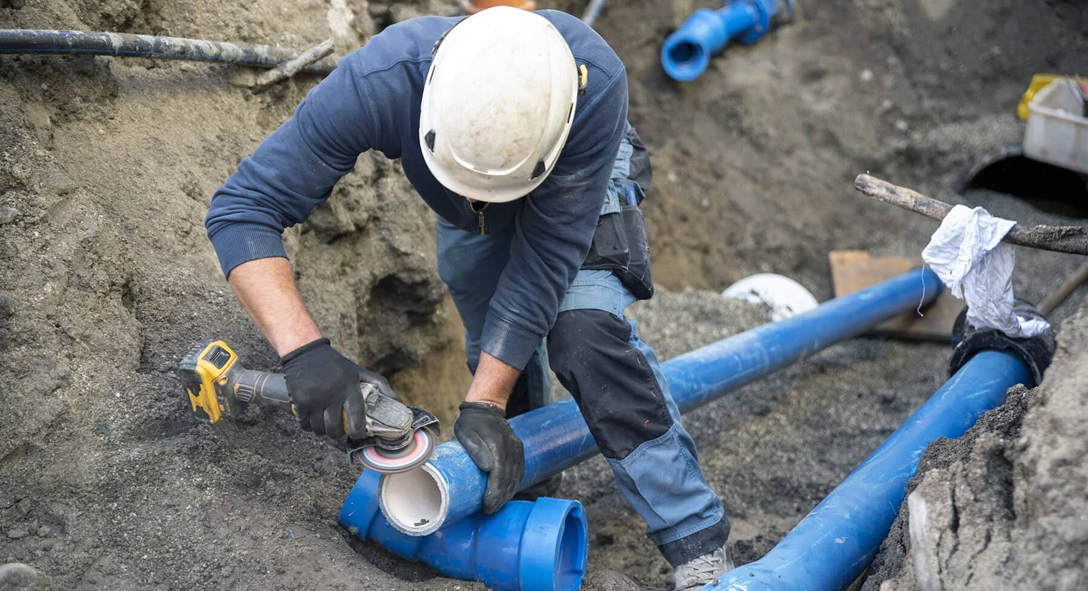
Mature trees with extensive root systems pose the greatest risk to underground sewer infrastructure. Roots can crush clay pipes, displace PVC connections, and create complete blockages that trap gases and force them into your home’s foundation.
The damage typically worsens over time as roots continue growing. You might notice seasonal variations in odor intensity as root activity changes with weather patterns and growing cycles.
Diagnostic methods for pinpointing sewer odor sources
Finding the exact source of sewer odors requires specialized testing methods that go beyond simple visual checks. Professional technicians use cameras, smoke tests, and pressure measurements to locate leaks and damage in pipes that cause unpleasant smells.
Using camera inspections to locate hidden sewer issues
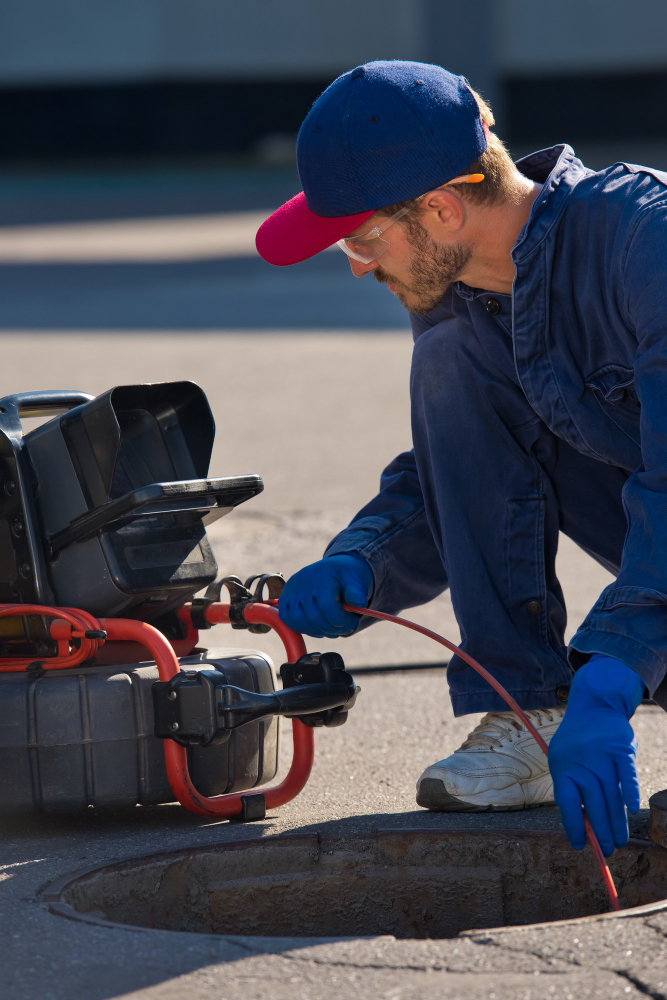
A sewer line inspection uses high-definition cameras attached to flexible rods that travel through your pipes. These cameras capture real-time video of the pipe interior, showing problems you can’t see from the surface.
The camera footage reveals cracks, leaks, and broken pipe joints where sewer gas escapes into your home. Technicians can spot root intrusions that have penetrated your pipes and corrosion that has eaten away at older cast iron systems. Blockages show up clearly on camera, whether they’re caused by grease buildup, debris, or collapsed pipe sections.
This method works well because it’s non-invasive. The technician doesn’t need to dig up your yard to find the problem. The camera shows the exact location and nature of the damage, which helps determine the right repair approach.
Smoke testing and airflow checks for odor tracing
Smoke testing involves pumping non-toxic smoke into your sewer system to find where gases escape. The smoke travels through pipes and comes out wherever there’s an opening or crack. You’ll see smoke rising from problem areas like damaged manholes, cracked laterals, or failed pipe connections.
Pressure checks measure airflow within your sewer system to detect abnormal patterns. When positive air pressure builds up in pipes, it forces odorous gases out through weak points. Technicians can depressurize the system to control odors and identify exactly where gases are escaping.
These tests work especially well for tracking down odors when the source isn’t obvious. They reveal problems hidden beneath foundations or underground where visual inspection isn’t possible.
Determining whether cleaning, repair, or replacement is needed
Your diagnostic results guide the repair decision. Dry drain traps only need water added to restore the barrier against sewer gases. Simple blockages respond well to professional cleaning with hydro jetting or mechanical snaking.
Minor cracks and small leaks often qualify for trenchless pipe lining, which creates a new pipe inside the damaged one without excavation. This method seals leaks and stops gas escape while preserving your landscaping.
Severely corroded pipes, major breaks, or collapsed sections typically require replacement. When multiple problems exist throughout an aging system, full replacement prevents repeated repair costs and ongoing odor issues.
Effective solutions: addressing the root cause of persistent sewer odors
Temporary fixes like air fresheners only mask sewer smells without solving the underlying plumbing problems that cause them. Lasting sewer smell removal requires repairing damaged pipes, fixing faulty connections, and maintaining your system to prevent future issues.
Why air fresheners and temporary fixes fail
Air fresheners and scented candles merely cover up sewer odors instead of eliminating them. The smell returns within hours because the source remains active in your plumbing system.
Sewer gas contains hydrogen sulfide and methane. These compounds continuously escape from damaged pipes, dry traps, or broken seals. Spraying deodorizer or opening windows provides only brief relief.
The gases also pose health risks beyond unpleasant smells. Exposure can cause headaches, dizziness, nausea, and breathing problems. Masking the odor with fragrances doesn’t protect you from these harmful effects.
Common temporary fixes that don’t work:
- Scented plug-ins and candles
- Baking soda or vinegar rinses (when structural damage exists)
- Opening windows for ventilation
- Commercial odor sprays
You need professional evaluation to identify where sewer gas enters your home. Only addressing the actual damage or defect will stop the smell permanently.
Repairing damaged plumbing to stop recurring odors
Damaged pipes are the primary source of persistent sewer odors in Ballard homes. Cracks, breaks, and root intrusion allow sewer gas to escape into your living spaces.
Trenchless pipe lining offers a long-term repair solution. This method seals cracks and gaps from inside the pipe without digging up your yard. The cured-in-place liner creates a seamless barrier that prevents gas leaks.
Dry P-traps need water added regularly to restore the seal. If a trap consistently dries out, you may have improper venting or need a deeper trap installed.
Blocked vent pipes prevent proper air circulation in your plumbing system. This creates negative pressure that pulls water from traps and allows sewer gas inside. Clearing obstructions from roof vents restores normal function.
Critical repairs for odor elimination:
- Sealing cracked or broken sewer lines
- Replacing faulty wax rings under toilets
- Fixing loose or corroded pipe connections
- Installing missing clean-out caps
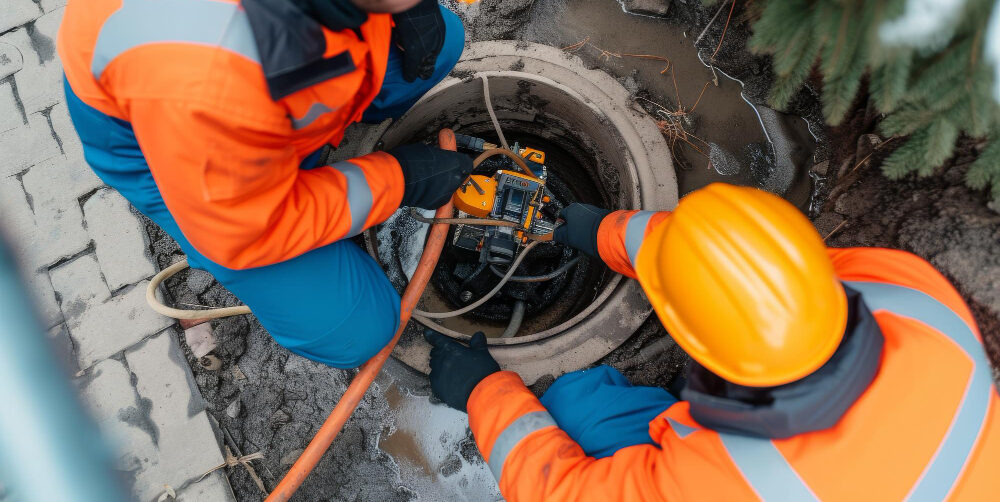
Professional plumbers use camera inspections to locate hidden damage in underground pipes. This targeted approach ensures repairs address all sources of sewer gas infiltration.
Preventive maintenance to avoid future sewer smell issues
Regular maintenance stops sewer odor problems before they start. Running water through all drains weekly keeps P-traps filled and functioning properly.
Schedule annual plumbing inspections to catch small issues early. A plumber can identify worn seals, developing cracks, and tree root intrusion before they cause odor problems.
Pour water down floor drains, basement drains, and guest bathroom fixtures at least once per month. Unused drains evaporate quickly in dry seasons.
Essential maintenance tasks:
- Flush all drains with water every 1 to 2 weeks
- Check vent pipes for blockages twice yearly
- Inspect visible pipes for corrosion or leaks
- Test toilet seals for proper function
Clean roof vents annually to remove debris, bird nests, and leaves. Blocked vents are a common cause of recurring sewer gas problems in older Ballard homes.
Consider enzymatic drain treatments monthly to prevent buildup in pipes. These biological cleaners break down organic matter without damaging your plumbing system.
Conclusion
Sewer odors in your Ballard home need quick attention. These smells point to real plumbing problems that won’t fix themselves.
You now know the main causes of sewer smells. Dry P-traps, damaged vent pipes, and clogged drains are the most common issues. Some problems you can handle yourself, like running water in unused drains. Others need a professional plumber with the right tools and training.
Regular maintenance prevents most sewer odor problems. Schedule camera inspections every few years to catch issues early. Keep your drains clean and watch for warning signs like slow drainage or strange noises.
Your health and property value depend on a working sewer system. Bad odors make your home uncomfortable and can indicate sewage leaks that create health hazards. Taking action now saves you money and stress later.
When persistent sewer odors in your Ballard home won’t go away, Seattle Select Sewers provides professional camera diagnostics, smoke testing, and targeted repairs to eliminate the source and restore clean air quality to your home.