A blocked sewer line rarely starts with a dramatic event. In most Redmond homes, it begins with something subtle, a drain that takes a little longer to empty, a faint odor near the basement floor drain, or a toilet that gurgles once and then seems fine. These small symptoms are easy to brush off, but they are often the earliest warning signs of a blocked sewer line in Redmond that is building toward a much bigger problem.
Redmond’s established neighborhoods come with mature landscaping, decades-old pipe materials, and soil conditions that put sewer lines under constant pressure. According to the City of Redmond, tree canopy coverage across the city sits at roughly 37 percent as of 2023, with a goal of growing that number further. That dense canopy is one of the things that makes Redmond a desirable place to live, but it also means aggressive root systems sit close to aging underground pipes in nearly every neighborhood.
The good news is that a sewer blockage almost always gives you warning before it becomes a full backup. The key is learning what those warnings look like and acting on them before wastewater starts coming back into your home. This article covers the indoor and outdoor signs that indicate a developing blockage, what happens when a blockage goes ignored, and how professionals find and fix the problem.
In this article, you will learn about:
- Why sewer blockages are common in Redmond
- Indoor warning signs that point to a sewer blockage
- Outdoor warning signs you should not ignore
- What happens if you ignore a blocked sewer line
- How professionals diagnose a blocked sewer line
- Clearing and preventing future sewer blockages
Keep reading to learn how to recognize a sewer problem early enough to fix it on your terms, not in the middle of an emergency.
Why sewer blockages are common in Redmond
Redmond has grown significantly over the past two decades, but much of the city’s underground sewer infrastructure predates that growth. The combination of older pipe materials, heavy tree coverage, and everyday household habits creates conditions where blockages develop more often than most homeowners expect.
Aging pipes in established neighborhoods
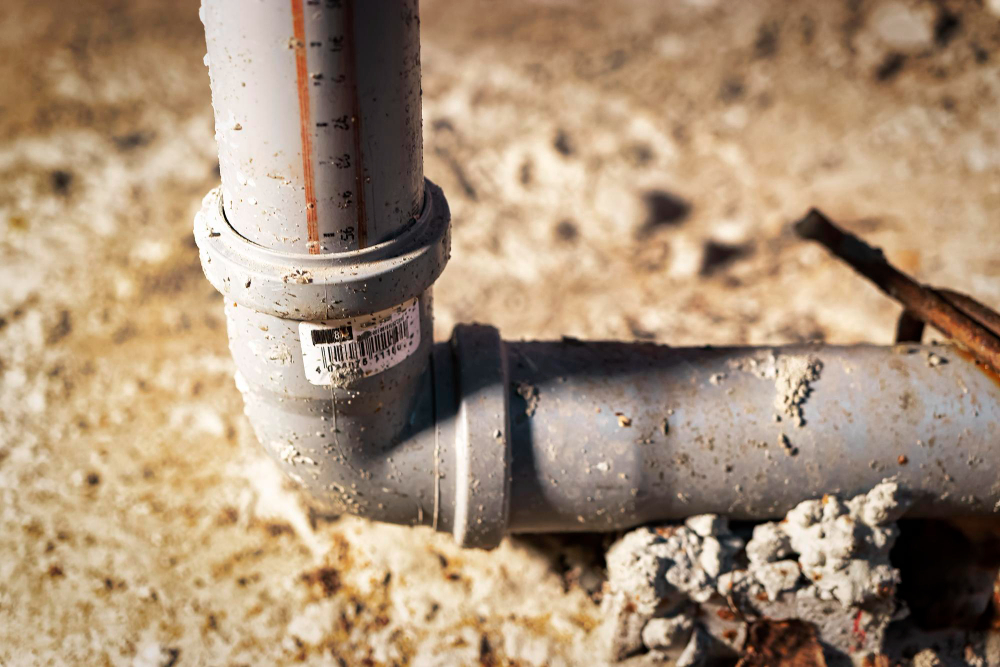
Many of Redmond’s established neighborhoods still rely on sewer lines installed 40, 50, or even 60 years ago. These older systems were typically built using clay, concrete, or cast iron, materials that were standard for the era but have a limited lifespan. Clay pipes crack and separate at the joints. Concrete pipes erode from the inside. Cast iron corrodes over time, narrowing the interior diameter and creating rough surfaces where debris catches and accumulates.
Even homes that have been remodeled or updated may be sitting on original sewer lines. A new kitchen or a renovated bathroom does not mean the pipe running under the yard was replaced along with it. If your home was built before the 1980s and the sewer line has never been scoped, there is a reasonable chance the pipe is showing its age underground.
Tree roots and Redmond’s dense canopy
Root intrusion is one of the most common causes of sewer blockages across the greater Seattle area, and Redmond’s tree cover makes it especially prevalent here. The city’s mix of conifers, maples, and other established species sends root systems out in search of water, and a sewer line leaking even small amounts of moisture at a joint or crack is exactly the kind of target those roots find.
Once a root enters the pipe, it expands. Over months and years, it fills more of the interior space, catching toilet paper, grease, and other debris until flow slows to a trickle. Root blockages tend to build gradually, which is why the warning signs start small and escalate. By the time a homeowner notices a backup, the root mass inside the pipe may already be substantial.
Grease, wipes, and everyday buildup
Not every blockage traces back to pipe damage or roots. A significant portion of residential sewer blockages come from what goes down the drain every day. According to Clemson University’s Home and Garden Information Center, the EPA has identified grease from homes, restaurants, and industrial sources as the most common cause of reported sewer blockages, accounting for roughly 47 percent of them nationally.
Cooking oil, butter, meat drippings, and grease may flow down the drain as warm liquids, but they cool and harden inside the pipe. Over time, that buildup narrows the line and traps other materials. Combine grease accumulation with so-called “flushable” wipes, feminine products, or paper towels, and you have a blockage recipe that does not need a cracked pipe or an invasive root to cause problems.
Common household items that contribute to sewer blockages include:
- Cooking grease, oils, and fats poured down the kitchen sink
- Wipes marketed as flushable, which do not break down like toilet paper
- Feminine hygiene products, cotton swabs, and dental floss
- Food scraps pushed through a garbage disposal in large volumes
- Excess toilet paper or paper towels
Indoor warning signs that point to a sewer blockage
The earliest signs of a developing sewer blockage almost always show up inside the house first. Recognizing them saves you from dealing with a full backup later.
Multiple slow drains at the same time
A single slow drain usually means a localized clog in that fixture’s branch line. When multiple drains in the house start moving slowly at the same time, the problem is likely further downstream in the main sewer line. This is one of the clearest early indicators that something is restricting flow in the pipe that carries wastewater away from the entire home.
The fixtures closest to the main line, typically basement drains, first-floor toilets, and ground-level showers, tend to show symptoms first. If your kitchen sink, a bathroom shower, and a basement floor drain are all draining slower than usual, that pattern should prompt action rather than a wait-and-see approach.
Gurgling toilets and bubbling drains
Air trapped behind a partial blockage has to escape somewhere, and it usually pushes back through the water sitting in your fixture traps. The result is a gurgling or bubbling sound that can come from:
- A toilet bowl that bubbles or gurgles when no one has flushed it
- A bathtub drain that makes noise when the washing machine runs
- A kitchen sink that gurgles when a toilet on the same floor flushes
These sounds indicate that the sewer line is not venting properly because the flow path is restricted. The more pronounced the gurgling, the more significant the blockage. If you hear these noises consistently rather than as a one-time occurrence, the obstruction is likely growing.
Sewage odors from fixtures or floor drains
A sewer line in good condition is a sealed system. Wastewater flows out, gases vent through the roof stack, and nothing comes back into the living space. When you start detecting a sulfur or rotten egg smell from a drain, it means that seal has been compromised. Either a blockage is forcing sewer gas backward through the system, or a crack in the line is releasing gas into the soil near the foundation.
The smell may be strongest near floor drains, basement fixtures, or rarely used bathrooms where the water in the P-trap has evaporated. If running water in that fixture does not eliminate the odor, the cause is not a dry trap. It is a blockage or a pipe defect that needs professional attention.
Water backing up in unexpected places
One of the most telling signs of a sewer backup is water appearing in a fixture you did not use. Flushing a second-floor toilet and seeing water rise in a first-floor shower drain, for example, is a strong indicator that the main sewer line is blocked and wastewater is finding the path of least resistance back into the house.
Backups that appear in lower-level fixtures first are especially significant. Sewage follows gravity, so when the main line is obstructed, the lowest drains in the home, including floor drains, basement sinks, and ground-floor bathtubs, bear the brunt. If you see dark water or waste material coming up through a floor drain, the blockage is likely complete or very close to it.
Outdoor warning signs you should not ignore
Your yard can reveal sewer problems that have not yet caused issues inside the house. These clues are easy to miss if you are not looking for them, but they often signal a blockage or a pipe failure that is already in progress.
Soggy spots or unusually green patches
A leaking or backed-up sewer line seeps wastewater into the surrounding soil. That moisture and the nutrients in it create visibly greener, taller grass in the area directly above the damaged section. If one strip of your lawn looks healthier than the rest, especially along the path between your house and the street, the cause may not be better soil or more sun. It may be a leaking pipe acting as an underground fertilizer.
Persistent dampness in the yard during dry weather is another red flag. If the ground feels soft or spongy in a specific area even when it has not rained recently, wastewater may be saturating the soil from below.
Sunken ground near the sewer line path
A sewer pipe that cracks or separates underground allows soil to wash into the line or erode from around the pipe. Over time, this creates voids beneath the surface that can settle or collapse into visible depressions. You might notice a shallow dip in the lawn, a section of a walkway that has shifted, or a patch of driveway that sits lower than it used to.
These depressions tend to appear gradually, so they are easy to attribute to normal settling. But if the sunken area lines up with the route your sewer line takes from the house to the street, the cause is worth investigating.
Increased pest or insect activity
Rodents and insects are attracted to the warmth, moisture, and organic material that escapes from a broken or leaking sewer pipe. If you notice more pest activity in or around your home, particularly concentrated near one area of the yard or foundation, a compromised sewer line could be the source.
Rats can actually enter homes through damaged sewer pipes, traveling through the line and emerging through drains or toilet fixtures. A sudden appearance of rodents in the basement or lower level of the home, combined with any of the other warning signs on this list, warrants an inspection of the sewer line.
What happens if you ignore a blocked sewer line
A partial blockage may seem manageable at first, but sewer problems do not plateau. They get worse, and the consequences escalate with them.
Property damage and cleanup costs
A full sewer backup sends wastewater into the lowest areas of your home. Basements, crawl spaces, laundry rooms, and ground-floor bathrooms absorb the worst of it. The damage goes beyond the mess itself. Flooring, drywall, personal belongings, and anything porous that contacts sewage typically needs to be removed and replaced. Cleanup and restoration after a residential sewer backup can cost thousands of dollars, and homeowner’s insurance policies often exclude or limit coverage for sewer-related damage.
Health risks from sewage exposure
Raw sewage carries bacteria, viruses, and parasites that pose real health risks. A study from the University of Maryland School of Public Health found dangerous bacteria, including antibiotic-resistant strains, in homes that had experienced sewage backups. The researchers also found that all 17 homes sampled within a month of a backup had at least one type of harmful bacteria present.
The risks are highest for:
- Young children and elderly household members
- Anyone with a compromised immune system
- Pets that come into contact with contaminated surfaces
Even after visible sewage is cleaned up, pathogens can linger on surfaces and in porous materials if the area is not professionally remediated. A backup is not just a plumbing inconvenience. It is a health event.
Escalation from partial blockage to full failure
A partial blockage means water still passes through, just slowly. That restricted flow puts added pressure on the pipe, accelerates wear at weak points, and allows debris to accumulate faster behind the obstruction. What starts as a root tendril or a grease buildup can progress to a completely blocked line, a cracked pipe, or even a collapse, all of which require more extensive and more expensive repairs than addressing the blockage early.
The U.S. Environmental Protection Agency identifies blockages from roots, grease, sediment, and other materials as a primary cause of sanitary sewer overflows nationwide. The same progression happens at the individual home level. A partial blockage today becomes a full backup next month if nothing changes.
How professionals diagnose a blocked sewer line
When you suspect a blockage, guessing at the cause and location wastes time and money. A professional diagnosis starts with seeing what is actually happening inside the pipe.
Camera inspections for a clear picture
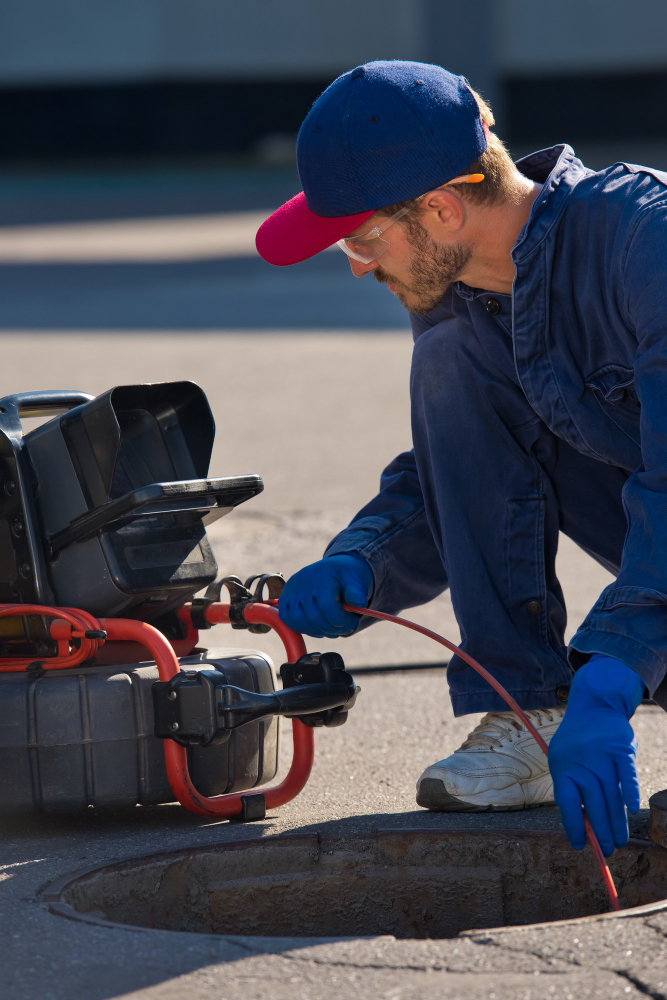
A sewer camera inspection is the standard diagnostic tool for any suspected sewer blockage. A technician feeds a high-definition camera on a flexible cable through the line, producing a live video feed of the pipe’s interior. The camera shows exactly what is causing the blockage, whether it is a root mass, a grease buildup, a collapsed section, an offset joint, or a combination of factors.
This step matters because different causes require different solutions. Snaking a line might temporarily clear a root blockage, but if the pipe has a structural crack that allowed the roots in, the problem returns. The camera takes the guesswork out of the diagnosis and ensures the right repair is matched to the actual condition.
Locating the blockage and assessing the damage
In addition to identifying the type of blockage, the camera inspection pinpoints its exact location along the line. The technician can measure the distance from the access point to the obstruction and note the depth and position relative to surface features like driveways, walkways, and landscaping.
This location data is critical for planning repairs. It tells the contractor whether a spot repair will solve the problem, whether a longer section needs attention, or whether the entire line is compromised. It also determines how much of your property is affected and what kind of access is needed, all of which influence the scope and cost of the fix.
Clearing and preventing future sewer blockages
Once the blockage is diagnosed, the path forward depends on what the camera found. Some blockages can be cleared and the line restored to full function. Others reveal pipe damage that needs a structural repair. Either way, there are steps you can take to reduce the chances of it happening again.
Hydro jetting for stubborn blockages
Hydro jetting uses a high-pressure stream of water to scour the interior of the pipe, cutting through grease, roots, mineral buildup, and debris. Unlike a mechanical snake, which punches a hole through the blockage, hydro jetting cleans the full diameter of the pipe and removes the material clinging to the walls.
This method is especially effective for:
- Root masses that have filled the pipe at one or more joints
- Grease buildup that has narrowed the line over years of use
- Heavy scale or mineral deposits on the pipe walls
- Recurring clogs that return shortly after snaking
Jetting restores full flow and gives you a clean baseline. If the camera inspection afterward shows the pipe itself is sound, jetting alone may be all you need.
Trenchless repair when the pipe is damaged
If the camera reveals that the blockage was caused by or contributed to structural damage, clearing the line is only half the job. A cracked pipe, a collapsed section, or severely offset joints need a repair that addresses the pipe itself, not just its contents.
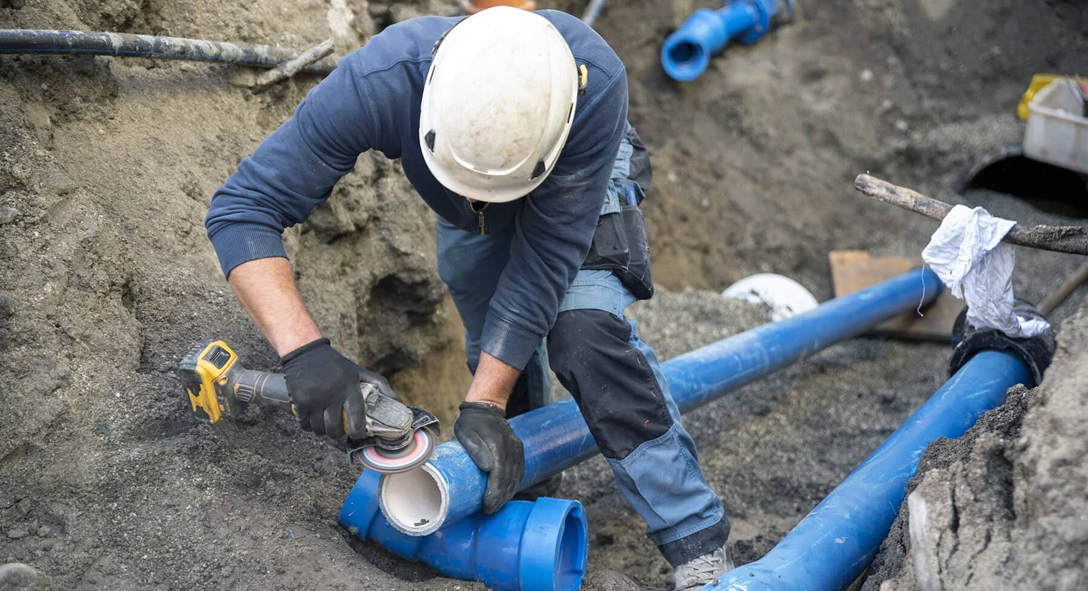
Trenchless sewer repair allows contractors to rehabilitate or replace the pipe without digging a trench across your yard. Cure-in-place pipe lining inserts a resin-coated liner that hardens inside the existing pipe, creating a smooth, jointless new surface that resists roots and restores structural integrity. For Redmond homeowners with mature landscaping, driveways, or patios above the sewer line, trenchless methods can save thousands of dollars in restoration costs compared to traditional excavation.
Preventive maintenance to keep your line clear
Once a blockage is cleared and the pipe is in good shape, preventive maintenance is the most effective way to keep it that way. A regular camera inspection every few years catches new root growth, early-stage buildup, and developing defects while they are still small and inexpensive to address.
Between inspections, a few household practices make a significant difference:
- Never pour cooking grease, oil, or fat down any drain. Let it cool, scrape it into the trash.
- Only flush toilet paper. No wipes, no feminine products, no paper towels.
- Run hot water through the kitchen drain after washing dishes to help move residual grease through the line.
- Know where your sewer cleanout is located so a technician can access the line quickly if needed.
These habits will not stop every blockage, especially in an older pipe with existing root entry points, but they eliminate the most common household contributors and extend the time between professional cleanings.
Conclusion
A blocked sewer line does not fix itself, and the warning signs do not go away on their own. Every slow drain, every gurgling toilet, every faint odor from a floor drain is your home telling you something is building underground. The homeowners who avoid the worst outcomes are the ones who take those signals seriously and get a professional look at the line before the blockage becomes complete.
Redmond’s combination of older pipes, dense tree canopy, and wet-season soil conditions means your sewer line faces more stress than you might realize. Whether you have already noticed some of the warning signs discussed here or you simply want to know where your line stands, a camera inspection gives you the answer in a single visit.
Seattle Select Sewers specializes exclusively in sewer work across the greater Seattle area, including Redmond and the Eastside. Their team can scope your line, show you exactly what is happening inside the pipe, and walk you through your options with no pressure and no unnecessary work. If your sewer line is trying to tell you something, now is the time to listen.