Most homeowners think about their sewer line when something goes wrong, a slow drain, a backup, an odor that will not go away. But in a neighborhood like Magnolia, the conditions that lead to those problems shift with the seasons, and the pipe under your home faces a different kind of stress in November than it does in July. Understanding how seasonal weather affects sewer lines in Magnolia helps you anticipate problems instead of reacting to them, and it puts you in a position to protect your pipe before the weather does the deciding for you.
Magnolia is one of Seattle’s most distinctive neighborhoods, a bluff-top community surrounded by water on three sides with steep slopes, mature trees, and some of the oldest sewer infrastructure in the city. According to Seattle’s Shape Our Water initiative, the combined sewer systems that serve older Seattle neighborhoods are the oldest type of infrastructure in the city, with pipes ranging from roughly 70 to 100 years in age. Magnolia falls squarely in that category. Its combined sewers carry both household wastewater and stormwater through the same pipe, which means the system’s workload doubles or triples during the wet months and drops significantly in the dry season.
That seasonal swing puts unique pressure on pipes that are already decades past their intended design life. This article walks through what happens to Magnolia’s sewer lines in each season, the signs that weather-related damage is developing, and the steps that keep your system ahead of the calendar.
In this article, you will learn about:
- What makes Magnolia’s sewer lines more vulnerable to weather than most Seattle neighborhoods
- Fall and winter: when the rain arrives and the real stress begins
- Spring: the transition season that reveals hidden damage
- Summer: dry conditions that create a different kind of risk
- Year-round habits and steps that protect your sewer line in every season
Keep reading to learn what the weather is doing to your pipe right now and how to stay one step ahead of it.
What makes Magnolia’s sewer lines more vulnerable to weather than most Seattle neighborhoods
Not every Seattle neighborhood faces the same sewer challenges. Magnolia’s combination of combined sewers, unstable bluff geology, and steep lots with mature canopy makes it one of the more weather-sensitive areas in the city for underground pipe infrastructure.
Combined sewers that carry both wastewater and stormwater in the same aging pipe
In newer parts of Seattle, the sanitary sewer and the stormwater system run through separate pipes. In Magnolia and other older neighborhoods, they share the same line. That means the pipe carrying your household wastewater also receives every drop of rainwater that enters the storm drains on your street. During a dry week in August, the pipe handles a modest, steady flow. During a November atmospheric river, that same pipe is trying to move a massive surge of stormwater on top of the normal household load.
When the combined volume exceeds what the pipe can carry, the system reaches capacity. That is when sewer backups and combined sewer overflows become a real possibility, especially in homes with partially blocked or deteriorated lines that have even less capacity to spare.
Bluff geology, Vashon Till, and soil that moves when it gets wet
Magnolia sits on a glacially carved bluff composed of layered soils including Vashon Till, a dense, compacted mix of clay, silt, sand, and gravel deposited by the last ice age. According to the Magnolia Historical Society, the neighborhood has a well-documented history of landslides dating back to at least the 1930s, with significant events on Perkins Lane and along the western bluffs that have damaged homes and severed critical sewer infrastructure.
The Vashon Till that covers much of the bluff surface does not drain well. When rain saturates it, the soil becomes heavy, unstable, and prone to movement. That movement puts direct mechanical stress on the sewer pipes buried within it, shifting joints, cracking walls, and changing the slope of lines that were originally installed to carry flow by gravity. Even on lots that are not near the bluff edge, the soil dynamics affect pipe stability throughout the wet season.
Mature trees on steep lots with root systems reaching deep toward the pipes
Magnolia’s tree canopy includes large conifers, maples, and established street trees that have been growing for decades. On steep lots, root systems spread aggressively in search of stable anchoring and moisture, and a sewer pipe leaking even small amounts of water through a joint or crack becomes a magnet. The same conditions that make root intrusion common across the greater Seattle area are amplified in Magnolia by the slope, the soil, and the age of the pipe materials.
Fall and winter: when the rain arrives and the real stress begins
October through March is the period that puts the most strain on Magnolia’s sewer lines. The rain returns, the soil saturates, and the combined sewer system shifts from light-duty to maximum load.
Groundwater infiltration that overloads pipes already running at capacity
As the fall rains saturate the soil, groundwater levels rise around the sewer pipes. Every crack, loose joint, and fracture in the line becomes an entry point for groundwater, which flows into the pipe and adds to the volume the system has to carry. In a combined sewer that is already handling stormwater from the street along with household wastewater, this infiltration can push the pipe past its capacity.
The result, for individual homeowners, is increased pressure on the line that shows up as:
- Slow drains that worsen during and after heavy rain
- Gurgling sounds from toilets and floor drains during storms
- Minor backups in the lowest fixtures that coincide with wet weather events
- Sewer odors that appear when it rains and disappear during dry stretches
Combined sewer overflows and what they mean for your home
When the combined sewer system reaches capacity during heavy rain, relief points called combined sewer overflows release a mixture of stormwater and untreated sewage into nearby waterways. King County has built wet weather storage facilities specifically for the Magnolia area as part of its Protecting Our Waters program, designed to temporarily hold overflow during storms and return it to the treatment system once the surge passes.
These infrastructure investments reduce the frequency of overflows at the public system level, but they do not address the private side sewer running from your home. If your lateral is partially blocked, cracked, or narrowed by buildup, it has less capacity to handle the seasonal surge, and the backup happens in your home before it reaches the public system.
Landslide risk and the pressure it puts on buried sewer lines
Magnolia’s bluff slopes are classified as landslide-prone areas, and the wet season is when the risk peaks. Heavy, sustained rain saturates the layered soils, and when a layer of permeable material sits above an impermeable clay layer, water builds up along the boundary until the soil fails and begins to move.
Even on lots well away from the bluff edge, smaller-scale soil movement during the wet season can shift pipe joints, create offsets, and change the grade of a sewer line enough to cause sags where wastewater pools instead of flowing through. These changes happen underground and produce symptoms, slow drains, recurring clogs at the same spot, that may not seem weather-related until you realize they appeared in November and have not gone away.
Spring: the transition season that reveals hidden damage
March through May brings gradually drying conditions, but the effects of the wet season linger in the soil and inside the pipe.
Saturated soil that stays heavy on the pipe long after the rain slows down
Vashon Till holds moisture. Even as surface conditions dry and the rain becomes less frequent, the soil surrounding the sewer pipe may stay saturated for weeks. That sustained weight and pressure keep the mechanical stress on the pipe well into spring, and joints or sections that shifted during winter may settle further before the soil finally dries and stabilizes.
Homeowners who noticed new symptoms during the wet season should not assume the problem resolved itself just because the rain stopped. The pipe that shifted in January is still shifted in April.
Root systems that surge in growth as temperatures warm
Spring triggers aggressive root growth. Trees that were relatively dormant through the coldest months begin actively expanding their root systems as the soil warms, and any roots that found their way into a sewer pipe during the fall or winter accelerate their growth. A root mass that was small enough to barely affect flow in February can become a significant blockage by May.
This seasonal root surge is one of the reasons recurring clogs often seem to get worse in the spring. The root was already inside the pipe, but the warm-season growth pushed it to a size that restricts flow enough to produce noticeable symptoms.
The best window for a camera inspection before summer
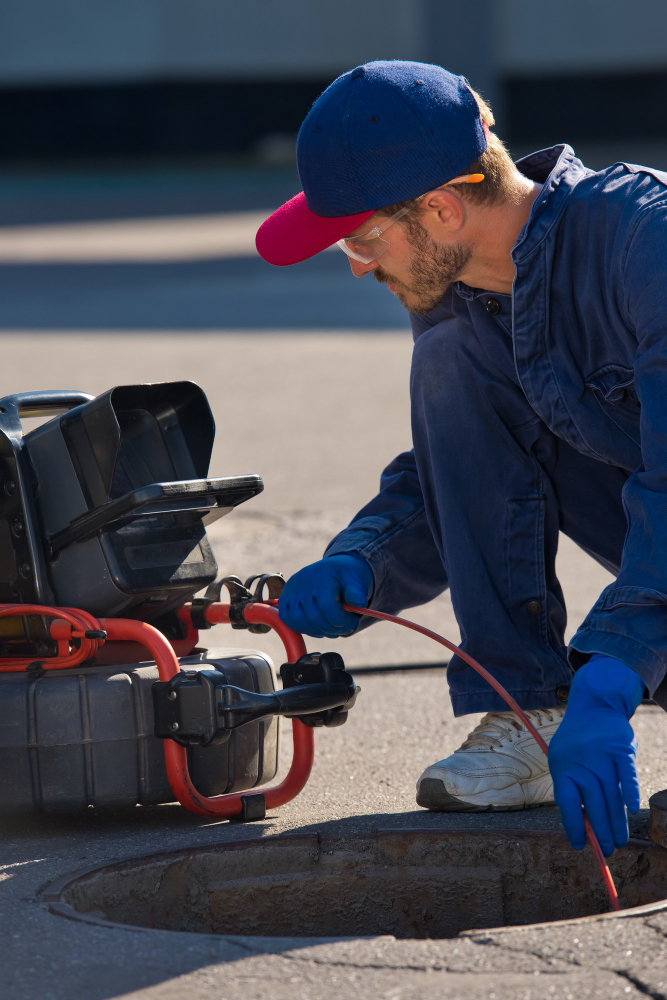
Spring is the ideal time for a sewer camera inspection in Magnolia. The wet season has stressed the pipe and potentially created new damage, root growth is in its early spring surge, and the drier conditions make it easier to get a clear picture of the pipe interior without the interference of heavy infiltration flow. Catching winter damage and spring root growth early means you can address them with hydro jetting or a targeted repair before the next wet season arrives and puts the pipe under stress again.
Summer: dry conditions that create a different kind of risk
July and August bring Seattle’s driest weather, and while the rain stops, the conditions underground shift in ways that affect the sewer line differently.
Soil contraction that shifts pipe joints and widens cracks
As the soil around the pipe dries and contracts, it can pull away from the pipe surface and settle in new patterns. Joints that were held in place by wet, heavy soil may shift slightly when that moisture-driven pressure changes. Cracks that were stable during the wet season may widen as the surrounding ground contracts. These changes are subtle, but they create new entry points for roots and groundwater when the rain returns in the fall.
Lower water flow that lets grease and debris settle and harden
During the dry months, the combined sewer handles far less volume than during the wet season. That reduced flow means wastewater moves more slowly through the pipe, and materials that would have been pushed along by higher volumes during the winter, grease, soap residue, food particles, sediment, have time to settle, adhere to the pipe walls, and harden.
A grease layer that built up gradually over the summer becomes the foundation for a blockage when the fall rains arrive and flush debris into the system on top of it. This is why many homeowners experience their first backup of the season in October or November: the dry-season buildup meets the wet-season surge, and the pipe cannot handle both.
The best time of year to schedule maintenance and repairs
Summer is the most practical season for sewer line work in Magnolia. The soil is at its driest and most stable, which matters for any repair that involves the ground around the pipe. Trenchless repairs and even traditional excavation go more smoothly in dry conditions. Access is easier, the work environment is safer on sloped lots, and the pipe is under less hydraulic stress during the repair.
If a spring camera inspection revealed damage or root intrusion that needs to be addressed, scheduling the repair during the summer dry season gives you the best conditions for the work and ensures the pipe is ready before the fall rains return.
Year-round habits and steps that protect your sewer line in every season
Weather is outside your control, but the condition of your pipe and the habits that affect it are not. A few consistent practices reduce the load on your sewer line in every season.
Scheduling inspections around the weather instead of waiting for symptoms
Rather than waiting for a backup to prompt an inspection, schedule your camera scopes proactively around the seasonal calendar:
- Spring is the best time to catch winter damage and early root growth before summer repairs
- Fall is a good secondary window for confirming the pipe is clear and ready for the wet season
- After any significant weather event, such as a prolonged atmospheric river or an unusual freeze-thaw cycle, a scope can catch new damage before it compounds
Keeping grease, wipes, and debris out of the line year-round
The seasonal stresses your pipe faces are worse when the interior is already narrowed by buildup. Good habits year-round keep the pipe at full capacity:
- Never pour cooking grease, oil, or fat down any drain. Let it cool and scrape it into the trash.
- Only flush toilet paper. No wipes, no feminine products, no cotton swabs.
- Use drain screens in sinks and showers to catch hair and food debris.
- Run hot water through the kitchen drain after washing dishes to push residual grease downstream.
These habits matter more in Magnolia than in a neighborhood with separated sewers, because the combined system already has less margin for household waste during the wet season.
Knowing when seasonal symptoms point to a problem that needs professional attention
Some seasonal changes in drain behavior are expected in a combined sewer system. Slightly slower drains during a heavy storm, for example, may reflect the system running near capacity rather than a problem with your pipe specifically. But certain patterns go beyond normal seasonal variation and warrant a professional look:
- Drains that slow down during rain and never fully recover between storms
- Backups that happen with every significant rain event, even minor ones
- Sewer odors that persist into the dry season after starting during wet weather
- New symptoms like gurgling, bubbling, or slow drains that appeared for the first time this season and are not improving
Any of these patterns suggests that the pipe has sustained damage or developed a blockage that the weather is exposing. A spot repair or a full line repair may be needed depending on what the camera finds.
Conclusion
Magnolia’s sewer lines do not get a break. The wet season brings infiltration, overload, and soil movement. Spring brings root surges and lingering soil pressure. Summer brings soil contraction and grease accumulation. And fall starts the cycle again. A pipe that was in good shape a few years ago can deteriorate significantly in a single year if the seasonal stresses align with a developing crack, a loosening joint, or a growing root mass.
The homeowners who avoid seasonal sewer problems are the ones who inspect the pipe between seasons, address damage during the best weather window, and maintain consistent habits that keep the interior clean. One inspection and one round of maintenance per year costs far less than a single wet-season emergency.
Seattle Select Sewers provides sewer inspections, hydro jetting, and repair services throughout Seattle, including the Magnolia neighborhood and surrounding areas. Their team can scope your line, show you how the seasons have affected your pipe, and recommend the right step to keep it performing through whatever the weather brings next. Reach out to schedule an inspection and take the guesswork out of your sewer line’s seasonal health.