Most sewer problems in Seattle do not announce themselves with a dramatic flood or an obvious backup. They start quietly, deep underground, inside pipes that were installed decades before anyone living in the home moved in. By the time the signs reach the surface, the damage has often been building for months or even years. Knowing how to identify hidden sewer issues in Seattle can save you from emergency repairs, property damage, and a much bigger bill down the road.
Seattle is a city of older homes. According to the Seattle Times, roughly half of Seattle’s housing stock was built before 1961, and many of those homes still sit on their original side sewer lines. Those pipes were made from concrete, clay, or cast iron, and they have been slowly deteriorating underground for decades. Add in the region’s heavy rainfall, aggressive tree roots, and glacial till soils, and you have conditions that practically guarantee hidden pipe problems.
The challenge is that your sewer line is buried several feet underground, running from your home to the city main under the street. You cannot see it, and you cannot inspect it without specialized equipment. This article breaks down the warning signs to watch for, both inside your home and in your yard, and explains how professional inspections catch problems long before they become emergencies.
In this article, you will learn about:
- Why sewer problems in Seattle stay hidden so long
- Warning signs inside your home that point to a sewer problem
- Outdoor clues that signal hidden sewer damage
- How a sewer camera inspection reveals what you cannot see
- Common hidden sewer issues the camera finds in Seattle homes
- What to do when a hidden sewer issue is confirmed
Keep reading to learn how to catch sewer damage early and protect your home from the kind of repair that tears up your yard and empties your savings.
Why sewer problems in Seattle stay hidden so long
Sewer lines are not something most homeowners think about until something goes wrong. But the conditions in the greater Seattle area make hidden sewer damage more likely than in most parts of the country, and understanding why helps you stay ahead of it.
Older pipe materials and what they mean for your home
Most side sewers in Seattle are made from concrete or clay, depending on the era the home was built. According to Seattle Public Utilities, many concrete pipes in the city have reached a stage where the interior cement wall has eroded, exposing the aggregate underneath. Once that happens, the pipe’s structural integrity drops steadily, and debris starts catching on the rough interior surface.
Each pipe material fails in its own way:
- Concrete pipes erode from the inside as the cement wall wears down, eventually exposing the aggregate and reaching structural failure even if wastewater can still pass through.
- Clay pipes were installed in short segments joined without adhesive. Those joints loosen over time, creating entry points for roots, soil, and groundwater.
- Cast iron pipes corrode from the inside out, thinning the walls until cracks or full collapses develop, especially at joints and connection points.
All three materials have a general lifespan of 50 to 80 years, and much of Seattle’s housing is at or past that window. The problem is compounded by the fact that many homes have never had their side sewer inspected or replaced. A home can look completely updated on the surface while sitting on a pipe that is well past its useful life.
How Seattle’s soil and tree roots accelerate damage
Seattle’s combination of glacial till soils, steep hillside lots, and mature urban tree canopy creates a uniquely hostile environment for underground pipes. The soil shifts and settles, especially on slopes, pushing pipe segments out of alignment. Once an offset joint forms, debris accumulates and sewer backups become a matter of time.
Tree roots are the other major factor. Roots are drawn to the moisture and nutrients inside sewer pipes, and they enter through cracks, loose joints, and fractures. Older concrete and clay pipes built without watertight joints are particularly vulnerable. Once roots get inside, they grow, they trap waste, and they gradually strangle the flow. The process can take years before you notice anything at the surface.
The role of shared side sewers
In Seattle, many properties share a side sewer with a neighboring home. That means the pipe leaving your property combines with a neighbor’s pipe before connecting to the city main. Seattle Public Utilities confirms that from the point where those pipes combine, both property owners share maintenance and repair responsibility.
This arrangement means a problem in your neighbor’s section of the line can affect your drains, and vice versa. It also means that diagnosing the source of a hidden issue sometimes requires inspecting more than just your own lateral, which adds another reason these problems go undetected for so long.
Warning signs inside your home that point to a sewer problem
Hidden sewer issues almost always send clues into the house before anything visible happens outside. The key is recognizing these clues for what they are instead of dismissing them as minor plumbing quirks.
Slow drains across multiple fixtures
A single slow drain is usually a localized clog, something in the trap or the branch line. But when two or more fixtures start draining slowly at the same time, especially on different floors or in different rooms, the blockage is likely in the main sewer line. This is one of the earliest and most reliable indicators of a developing problem underground.
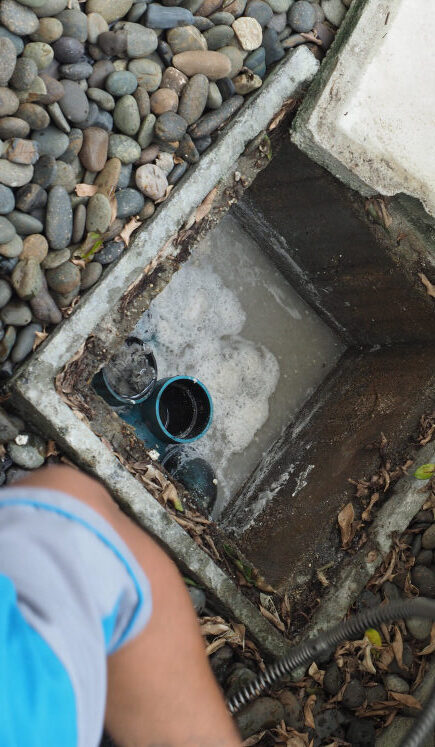
Pay close attention to basement-level drains, floor drains, and the lowest fixtures in the house. Because they sit closest to the main line, they show symptoms first. If your shower or basement drain backs up every time the washing machine empties, that pattern points toward a restriction or partial blockage in the sewer pipe itself.
Gurgling sounds and phantom flushes
When air gets trapped in a partially blocked sewer line, it has to go somewhere. That air escapes through the water in your fixtures, creating gurgling or bubbling sounds. Common examples include:
- A toilet that gurgles when you run the kitchen sink
- Bubbling sounds from a floor drain when the dishwasher cycles
- A bathtub that makes noise when a toilet on another floor flushes
These sounds mean that wastewater is not flowing freely through the pipe. Something is forcing the air backward through the system, whether it is a root mass, a collapsed section, or a buildup of grease and debris. Do not wait for the sounds to get worse.
Sewer odors that come and go
A properly functioning sewer line is sealed. Wastewater moves through the pipe, through the city main, and to the treatment facility without releasing gas into your home. When you start smelling sewer odors inside the house, especially from drains, it usually means a break or gap exists somewhere in the line.
Intermittent odors are particularly worth noting. If the smell appears during heavy rain and disappears when it dries out, that pattern suggests groundwater is entering the pipe through a crack or open joint and disrupting the flow. In a city with as much rainfall as Seattle, this is a common scenario.
Recurring backups that seem to fix themselves
A backup that clears on its own after a few hours is not a sign that the problem resolved itself. It usually means the blockage is partial. Water and waste eventually push past the obstruction, but the restriction is still there and growing. This cycle tends to repeat with increasing frequency until the line blocks completely.
If you have had a plumber snake a drain and the backup returns within a few weeks or months, the cause is almost certainly deeper in the main sewer line. Snaking treats the symptom by punching through the blockage, but it does not fix the underlying condition, whether that is root intrusion, a belly in the pipe, or structural damage.
Outdoor clues that signal hidden sewer damage
Your yard can tell you a lot about what is happening with the pipe running beneath it. These signs are easy to overlook, but they are some of the strongest indicators that a sewer line is leaking or failing.
Unusual patches of green or soggy ground
A section of lawn that is noticeably greener, taller, or lusher than the surrounding grass may be getting an unwanted fertilizer from a leaking sewer pipe. Wastewater is rich in nutrients, and when it seeps into the soil around a crack or joint, the vegetation above responds.
Soggy or perpetually damp spots in the yard, particularly during dry weather, are another red flag. If the ground stays soft or muddy along the path where your sewer line runs, wastewater may be saturating the soil. This moisture can also attract pests and create conditions for further pipe deterioration.
Sinkholes, settling, and foundation shifts
When a sewer pipe breaks underground, soil can wash into the pipe and the surrounding earth begins to erode. Over time, this creates voids beneath the surface that eventually collapse into depressions or sinkholes. Offset joints and pipe holes are common culprits. The surrounding soil washes away, leaves an unstable space, and that space eventually gives way under the weight above it.
Foundation cracks, sticking doors, and uneven floors can also trace back to a leaking sewer line, especially in homes on hillside lots. The erosion undermines the ground supporting the structure, and the effects may show up inside the house long before you see anything obvious in the yard.
Pest activity near your sewer line path
Rats, insects, and other pests are attracted to the moisture and organic material around a damaged sewer line. If you notice increased pest activity in your yard or near your foundation, particularly along the path between your house and the street, a sewer leak may be the draw.
Watch for these patterns:
- Rodent activity concentrated near one area of the yard rather than scattered randomly
- Insects clustering around a specific patch of ground, especially in warm weather
- Unexplained burrowing or disturbed soil along the line path
Any of these combined with other warning signs from this list should prompt a closer look at the sewer line.
How a sewer camera inspection reveals what you cannot see
A camera inspection is the only way to see exactly what is happening inside your pipe without digging. It removes the guesswork and gives you a clear, documented picture of the problem and its location.
What the camera looks for inside your pipe
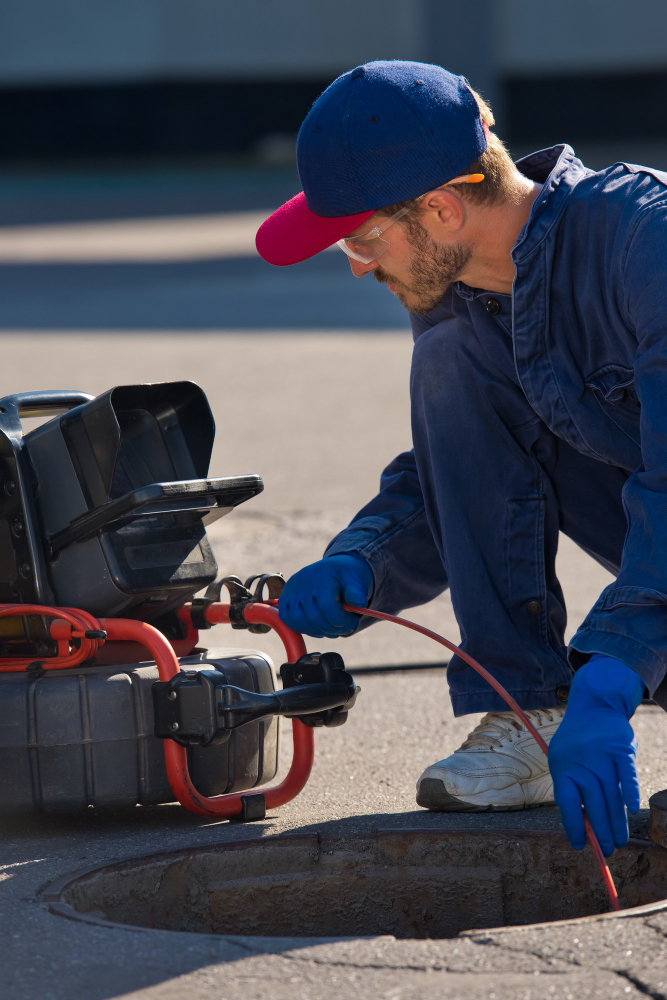
During a sewer camera inspection, a technician feeds a high-definition, waterproof camera on a flexible cable through the line. The camera transmits a live video feed that shows the interior condition of the pipe in real time.
The inspection can identify:
- Root intrusion at joints, cracks, and fractures
- Offset joints where pipe segments have shifted out of alignment
- Sags or bellies where the pipe has lost its slope
- Cracks, fractures, and holes in the pipe wall
- Concrete erosion exposing aggregate on the interior surface
- Grease buildup, debris accumulation, and blockage locations
The footage also pinpoints exactly where each problem sits along the line, which matters for determining the right repair approach and avoiding unnecessary work.
When to schedule an inspection
You do not need to wait for a problem to justify a camera scope. Regular inspections are one of the smartest preventive steps a homeowner can take, especially in a market like Seattle where pipe age and root activity are so prevalent. Seattle Public Utilities recommends hiring a sewer inspector to run a camera through your side sewer to find problems before they become emergencies.
Beyond routine checks, schedule an inspection if you notice any of the warning signs discussed above. You should also get one before buying a home. A pre-purchase sewer scope for home buyers can reveal thousands of dollars in hidden damage that a standard home inspection will not catch. The sewer line is the buyer’s responsibility in Seattle, so going in without a scope is a gamble.
What happens after the inspection
A professional sewer inspection produces a recorded video of the entire line along with a written report detailing the findings. The report documents each defect, its severity, and its location. If the pipe is in good condition, you get confirmation and a baseline for future comparisons. If problems exist, the report gives you the information you need to evaluate repair options without guessing.
A clear, detailed report also matters if you are selling your home or negotiating a real estate transaction. Realtors and inspectors throughout the Seattle area rely on these scope reports to establish the condition of the sewer line, and a clean report can remove a significant hurdle from the sale.
Common hidden sewer issues the camera finds in Seattle homes
Certain problems appear again and again in Seattle’s aging sewer infrastructure. Knowing what they are helps you understand what the inspection might reveal and why it matters.
Root intrusion through pipe joints
Root intrusion is the single most common hidden sewer issue in Seattle. Tree roots seek out the moisture and nutrients inside sewer pipes, and they enter through joints, cracks, and fractures. Older concrete and clay pipes without watertight joints are particularly at risk, and Seattle’s dense urban tree canopy means roots are never far from a sewer line.
Minor root intrusion may not immediately affect flow, but it always gets worse over time. Roots that start as thin tendrils grow into dense masses that trap paper, grease, and waste. Left unchecked, they can crack the pipe further or cause a complete blockage. Hydro jetting can clear roots from the pipe and restore flow, but if the pipe itself is compromised, a structural repair is usually the next step.
Offset joints and pipe sags
Side sewers are built from segments of pipe connected at joints. When the ground shifts, settles, or erodes beneath the line, those joints can separate or misalign. An offset joint creates a ledge inside the pipe where debris collects. Over time, that buildup restricts flow and leads to backups.
Sags, also called bellies, happen when a section of pipe loses its downward slope and dips. Wastewater pools in the low point instead of flowing through, and solids settle out and accumulate. According to King County, side sewers are often the same age as the house itself and can be made from clay, brick, concrete, iron, or plastic, all of which are susceptible to shifting and sagging over time. Both offset joints and sags are invisible from the surface and can only be detected with a camera.
Cracks, fractures, and concrete erosion
Cracks and fractures develop from ground movement, age, root pressure, and surface loading from vehicles or structures above the line. A small crack may not cause immediate flow problems, but it opens the door to root entry and soil infiltration. Fractures that extend around the pipe’s circumference can lead to a full collapse if left unaddressed.
Concrete erosion is especially common in Seattle. As the interior cement wall wears away, the aggregate becomes exposed and the pipe surface turns rough and porous. Pipes with fully exposed aggregate are considered to have reached structural failure even if wastewater can still seep through. At that point, replacement is the only real option.
What to do when a hidden sewer issue is confirmed
Once a camera inspection confirms a problem, the next step depends on the type, severity, and location of the damage. There is no one-size-fits-all answer, but there are clear options that a qualified sewer contractor can walk you through.
Trenchless repair vs. traditional excavation
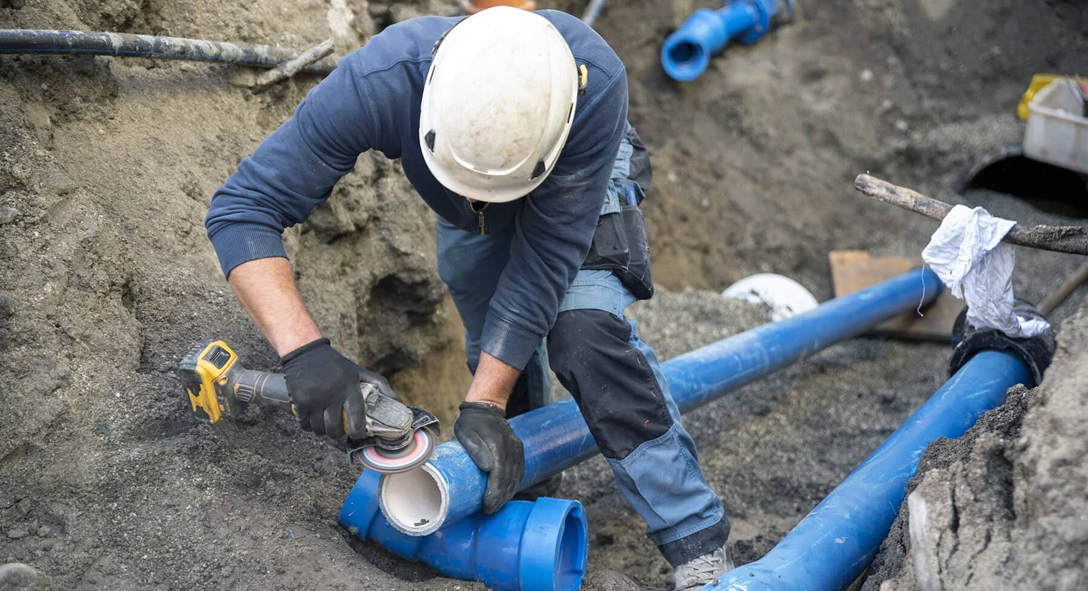
Trenchless sewer repair has changed the way most sewer problems are fixed in Seattle. Cure-in-place pipe lining, known as CIPP, inserts a resin-coated liner into the existing pipe and cures it in place, creating a new pipe inside the old one. The process typically takes a day or two, avoids tearing up the yard or driveway, and gives the line another 40 or more years of service.
Traditional excavation is still necessary in some cases, particularly when the pipe has collapsed completely or when access limitations prevent a trenchless approach. But for the majority of hidden issues caught early through inspection, trenchless methods handle the job with far less disruption.
Spot repairs for localized damage
When the camera finds a single crack, break, or joint failure in an otherwise sound pipe, a spot repair or pipe patch may be the most practical and cost-effective fix. Instead of lining or replacing the entire run, the contractor addresses only the damaged section.
Spot repairs make the most sense when:
- The rest of the pipe is in reasonable structural condition
- The defect is isolated to one location rather than spread across the line
- The pipe material and surrounding soil conditions allow for a targeted approach
The inspection report is what makes this decision possible. Without camera footage showing the full length of the line, there is no way to know whether one problem is the only problem or just the most obvious one.
When full line replacement is the right call
If the camera reveals widespread damage, such as multiple collapses, severe erosion throughout the pipe, or root intrusion at every joint, a full line replacement is usually the right move. Patching or lining a pipe that is failing across its entire length only delays the inevitable and can end up costing more in the long run.
The American Society of Civil Engineers gave U.S. wastewater infrastructure a D+ in its 2025 report card, noting that collection system failures have risen from an average of 2 to 3.3 per 100 miles of pipe over the past decade. That trend reflects what happens nationally when deteriorating pipes are not addressed in time. The U.S. Environmental Protection Agency estimates that between 23,000 and 75,000 sanitary sewer overflows occur in the United States each year, many of them tied to aging collection systems. Catching a failing line before it reaches that point is exactly why inspections exist.
A full replacement with modern materials like HDPE or PVC gives you a pipe built to last for decades, with watertight joints that resist root intrusion and ground movement. It is a bigger project, but for a pipe that has reached the end of its life, it is the permanent solution.
Conclusion
Sewer problems do not fix themselves, and they do not get cheaper to deal with over time. The longer a hidden issue sits underground, the more damage it does to your pipe, your yard, and potentially your foundation. The homeowners who avoid the worst outcomes are the ones who pay attention to the early warning signs and act on them before the situation escalates.
If you are seeing slow drains, hearing strange sounds from your plumbing, or noticing wet spots in your yard, do not assume it will resolve on its own. And if you own an older Seattle home and have never had your side sewer scoped, now is a good time to find out what is happening beneath the surface. A single inspection can give you clarity, a plan, and peace of mind.
Seattle Select Sewers has been solving sewer problems across the greater Seattle area since 2005. Whether you need a camera inspection, a trenchless repair, or a full line replacement, their team focuses exclusively on sewer work and can give you a straight answer about what your pipe needs. Reach out to schedule a sewer inspection and take the first step toward knowing exactly where your sewer line stands.