Seattle’s older sewer systems face unique challenges from heavy rainfall, mature tree roots, and aging infrastructure. Your home’s sewer line can hide serious problems that won’t show obvious signs until a major backup or costly emergency happens. Many Seattle homeowners don’t realize their pipes are cracked, sagging, or blocked until it’s too late.
A sewer line inspection uses specialized camera technology to look inside your pipes and find problems before they turn into expensive disasters. This process involves threading a waterproof camera through your sewer line to capture real-time video of what’s happening underground. You get a clear picture of your pipe’s condition without any digging or guesswork.
Scheduling a sewer line inspection in Seattle WA during the summer months gives you the clearest picture of your system’s condition and the best window to address issues before fall storms arrive. Whether your home has original clay pipes, aging cast iron, or modern PVC, understanding what’s happening inside your sewer lines before problems surface is the most reliable way to avoid emergency repairs.
This guide covers how summer conditions expose hidden issues, what camera inspections reveal, and how proactive monitoring saves you money long-term. Here’s what you’ll find below:
In this article, you will learn about:
- Why summer highlights hidden sewer line issues
- Identifying risks before emergencies arise
- Ongoing threat of tree root intrusion
- Benefits of modern sewer camera inspections
- Proactive inspections to prevent high-cost repairs
Keep reading to find out how summer conditions stress your sewer system, what professional camera inspections reveal about your pipes, and how routine monitoring protects your Seattle home from costly surprises.
Why summer highlights hidden sewer line issues
Summer weather puts extra pressure on your sewer system through increased water use and changing soil conditions. Problems that stayed hidden during cooler months often surface when your household water consumption rises and Seattle’s dry spells alternate with sudden rainstorms.
Increased water usage revealing drainage issues
Your family uses significantly more water during summer months. Daily showers increase, laundry piles up from outdoor activities, and guests visit more often. This higher volume of wastewater flowing through your sewer line exposes weak spots and partial blockages that weren’t obvious before.
A sewer line that drained adequately with normal water use can’t handle the summer surge. You might notice toilets take longer to flush or hear gurgling sounds from drains when multiple fixtures run at once. These signs point to restricted flow somewhere in your line.
Dishwashers and washing machines running more frequently push larger amounts of water through your system in short bursts. If tree roots have created even small intrusions or if aging pipes have developed cracks, this increased pressure makes the problems impossible to ignore.
Recurring clogs becoming more noticeable in warmer months
Grease and soap residue build up inside your pipes throughout the year. Summer’s warmer temperatures can actually soften these deposits, causing them to shift and create sudden blockages. What seemed like a minor slow drain in spring might become a complete backup by July.
Your outdoor water use adds another layer of stress. Kids playing with hoses, filling pools, and washing cars all contribute to your overall system load. If your main sewer line has any compromised sections, this extra demand reveals the damage quickly.
According to the EPA, improper or inadequate maintenance and cleaning of sewers is one of the primary contributors to system failures, alongside blockages caused by roots, grease, and sediment. Root growth also accelerates during warm weather as trees compete for limited moisture in dry soil.
Identifying risks before emergencies arise
Regular sewer inspection services help catch problems while they’re still manageable. Professional diagnostic inspections reveal damage, blockages, and deterioration that could lead to sewage backups, property damage, or expensive emergency repairs.
Early detection of cracks and pipe deterioration
Sewer pipes develop cracks over time due to ground movement, temperature changes, and normal wear. Seattle’s clay soil and frequent rainfall put extra stress on underground pipes. These cracks start small but expand as water flows through them and soil shifts around the damaged area.
A sewer diagnostic inspection uses camera technology to spot these cracks before they break completely. Small cracks allow tree roots to enter your pipes and soil to wash away around them. This creates larger structural problems that cost much more to fix later.
Camera inspections show the exact location and size of any cracks. You can see if your pipes have surface-level damage or deep fractures that need immediate attention. The video footage gives you clear evidence of your pipe’s condition so you can plan repairs before a complete failure happens.
Finding hidden blockages before backups occur
Blockages form gradually as grease, soap residue, and debris collect inside your sewer line. Tree roots also grow into pipes through tiny openings and create major obstructions. These blockages restrict water flow long before you notice slow drains or sewage backups in your home.
Professional camera inspections locate partial blockages that don’t show obvious symptoms yet. The camera reveals buildup on pipe walls, root intrusions, and objects stuck in the line. Seattle’s mature trees make root infiltration a common problem that often goes unnoticed until pipes are completely blocked.
Finding these issues early lets you remove blockages with hydro jetting or mechanical cleaning. This prevents the sewage backup that damages your floors, walls, and belongings. It also helps you avoid the health risks that come with raw sewage exposure.
Assessing aging sewer system condition
Many Seattle homes have sewer pipes that are 50 to 100 years old. Older pipes made from clay, cast iron, or Orangeburg fiber deteriorate faster than modern PVC pipes. These aging materials become brittle, corrode, or collapse as decades pass. According to the EPA’s New England regional office, aging sewer infrastructure increases the occurrence and severity of overflows, with some communities operating systems that are more than 100 years old.
Inspection cameras show how much life your old pipes have left. You can see rust, corrosion, sagging sections, and areas where pipes have started to collapse. This information helps you decide if repairs will work or if you need a full replacement.
Seattle’s aging infrastructure means many properties face sewer line problems. Regular inspections track how fast your pipes are deteriorating. You can budget for repairs or replacement based on actual pipe condition instead of waiting for an emergency.
Ongoing threat of tree root intrusion
Tree roots naturally seek out water sources and can infiltrate sewer pipes through small cracks or joints, causing blockages and structural damage over time. Seattle’s older pipe materials and abundant tree coverage make this a frequent problem for homeowners.
How roots penetrate underground sewer pipes
Tree roots grow toward sewer lines because pipes carry moisture and nutrients. Even a tiny crack or loose joint releases water vapor that attracts roots from dozens of feet away.
Older pipes are most vulnerable to intrusion. Clay tile and concrete pipes installed before the 1980s have joints that weaken over time, creating entry points for roots. Once a root finds a small opening, it grows inside the pipe and branches out to absorb water and nutrients.
The root mass expands as it grows, which widens the original crack. This creates more space for additional roots to enter. Over time, the roots form dense clumps that trap debris and block wastewater flow.
Common entry points include:
- Separated pipe joints
- Hairline cracks from ground settling
- Deteriorated pipe walls
- Connection points between pipe sections
Seattle’s frequent rainfall keeps soil moist, which encourages aggressive root growth throughout the year. Trees planted near sewer lines pose the highest risk, but roots can extend well beyond a tree’s canopy.
Warning signs of root-related wastewater disruptions
Slow drains throughout your home often indicate a developing blockage in your main sewer line. If multiple fixtures drain slowly at once, roots may be restricting flow inside the pipe.
Gurgling sounds from toilets or drains signal trapped air caused by a partial obstruction. You might also notice water backing up in lower-level drains when you use upstairs fixtures.
Watch for these symptoms:
- Frequent toilet backups
- Sewage odors in your yard
- Patches of unusually green grass above the sewer line
- Sinkholes or depressions in your lawn
- Water pooling in unexpected areas
Recurring clogs in the same location suggest an ongoing problem rather than a simple blockage. If drain cleaning provides only temporary relief, roots have likely established themselves inside your pipes.
Preventing severe damage through regular inspections
Camera inspections detect root intrusion before it causes major damage or backups. A waterproof camera travels through your sewer line and transmits live video that shows the pipe’s interior condition.
Professional inspectors can identify small root penetrations while they’re still manageable. Early detection allows you to address the problem with less invasive treatments instead of expensive pipe replacement.
Schedule inspections every two to three years if you have mature trees near your sewer line. Homes with clay or concrete pipes older than 40 years should consider annual inspections.
The inspection process takes one to two hours and provides a clear record of your pipe’s condition. You’ll receive documentation showing exactly where problems exist and how severe they are.
Regular monitoring lets you plan repairs during dry weather when excavation is easier and less expensive. This proactive approach prevents emergency situations that require immediate attention at premium costs.
Benefits of modern sewer camera inspections
Camera technology allows plumbers to see inside your sewer pipes without digging up your yard. This process identifies exact problems and helps you avoid spending money on repairs you don’t need.
Accurate problem location using camera technology
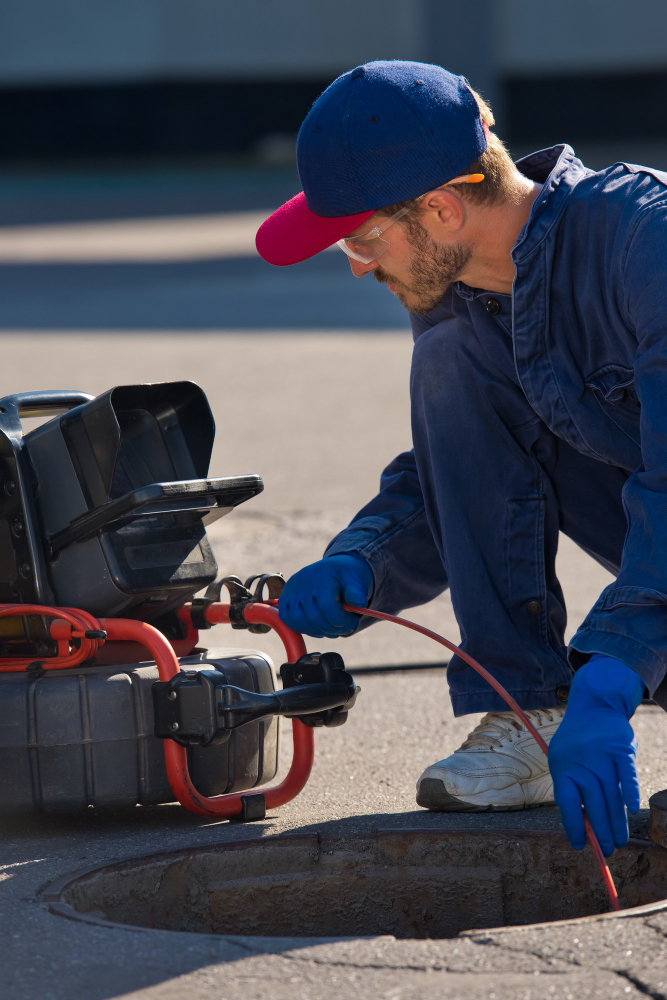
A sewer camera inspection uses a waterproof camera attached to a flexible cable that moves through your pipes. The camera sends live video to a screen where technicians can see what’s happening inside your sewer line in real time.
This technology pinpoints the exact location of problems like tree root intrusions, cracks, or collapsed sections. When you know where the problem is, repair crews don’t have to dig up large areas of your property to find it.
The camera also includes locator technology that marks the problem spot from above ground. This means repairs happen at the right place the first time. Most sewer line camera inspection services complete the process in 30 to 60 minutes.
Determining best solutions: cleaning, repair, or replacement
Video footage from your sewer inspection shows the type and severity of damage in your pipes. Some problems only need cleaning to remove buildup or roots. Other issues require spot repairs or full pipe replacement.
Your technician can review the footage with you and explain what they found. This helps you understand whether your pipe needs a simple rooter service, a trenchless repair, or a complete sewer line replacement.
Without camera inspection, you might pay for cleaning when your pipe actually has structural damage. Or you might replace a pipe that only needed basic maintenance. The video evidence removes guesswork from the decision.
Minimizing unnecessary excavation and excess costs
Traditional sewer diagnosis often required digging trenches to expose pipes and find problems. This process damaged landscaping, driveways, and sidewalks. It also added labor costs and restoration expenses to every job.
Camera inspections eliminate most exploratory digging. You only excavate where the camera shows actual damage exists. In Seattle, where you own your side sewer all the way to the city main, this matters even more. Repairs under sidewalks or streets can cost significantly more than standard residential work.
The inspection creates a permanent video record you can keep for your home files. This documentation helps with insurance claims and provides a baseline for future inspections. Many homebuyers also request sewer camera inspections before closing on Seattle properties.
Proactive inspections to prevent high-cost repairs
Regular sewer line inspections catch small problems before they turn into expensive emergencies. By scheduling maintenance at the right times and monitoring your system’s condition, you can avoid thousands of dollars in repair costs and protect your property from damage.
Scheduling maintenance ahead of peak usage seasons
Seattle’s heavy winter rains put extra stress on sewer systems from October through March. You should schedule your residential sewer inspection during late summer or early fall, before the wet season begins.
Peak usage times also include holidays when you have guests staying over. More people in your home means more water flowing through your pipes. An inspection 4 to 6 weeks before these busy periods gives you time to fix any issues found.
Spring is another smart time for inspections. Tree roots grow most actively during this season and can crack or block your sewer lines. A camera inspection shows whether roots have invaded your pipes so you can address the problem early.
Most professionals recommend annual inspections for older homes. If your house was built before 1980, your sewer lines may be made of clay or cast iron, which break down faster than modern materials.
Reducing risk of unexpected sewer backups
Sewer backups can cause severe property damage and create health hazards. According to an EPA case study on sewer overflow control, systems that are not routinely cleaned and repaired experience more frequent clogged and collapsed lines due to root growth and accumulation of debris, sediment, oil, and grease, while regular inspection and cleaning can eliminate many of these problems.
Camera inspections reveal blockages before they cause backups. Technicians can spot buildup from grease, tree roots, or deteriorating pipe walls. Small clogs get cleared during routine maintenance instead of turning into complete blockages.
Cracks and breaks in your sewer line also show up clearly on camera footage. These weak spots eventually fail under pressure, causing sudden backups. Finding them early lets you plan repairs on your schedule rather than dealing with an emergency.
Your home insurance often doesn’t cover sewer backup damage unless you have special coverage. Prevention through inspection costs a few hundred dollars compared to thousands in uncovered repair bills.
Maximizing lifespan of sewer system infrastructure
A well-maintained sewer line lasts 50 to 100 years depending on the material. Without regular inspections, the same pipes might fail in 30 to 40 years.
Camera inspections track how your pipes age over time. You’ll see minor deterioration before it becomes major damage. This information helps you budget for repairs or replacement years in advance.
Early intervention saves money. Fixing a small crack costs far less than replacing an entire collapsed line. Regular inspections identify which sections need attention first.
Modern trenchless repair methods work best when damage is limited. If you wait too long, extensive deterioration may require traditional dig-and-replace methods that cost more and destroy your landscaping.
Documentation from regular inspections also helps when selling your home. Buyers appreciate proof that your sewer system has been properly maintained.
Conclusion
Getting a sewer line inspection in Seattle protects your property from costly damage. Video inspections show you exactly what’s happening inside your sewer lines, from blockages and cracks to tree root intrusion and pipe deterioration, before they get worse.
You should consider an inspection if you notice slow drains, bad odors, or sewage backups. Many Seattle homeowners also get inspections before buying a house or during routine maintenance checks.
Regular inspections keep your plumbing system working properly. You’ll avoid surprise failures and extend the life of your sewer lines. Taking action now prevents bigger problems later.
When your Seattle home needs a professional sewer line inspection, Seattle Select Sewers provides advanced camera diagnostics, detailed condition reports, and expert recommendations to keep your system in top shape year-round.